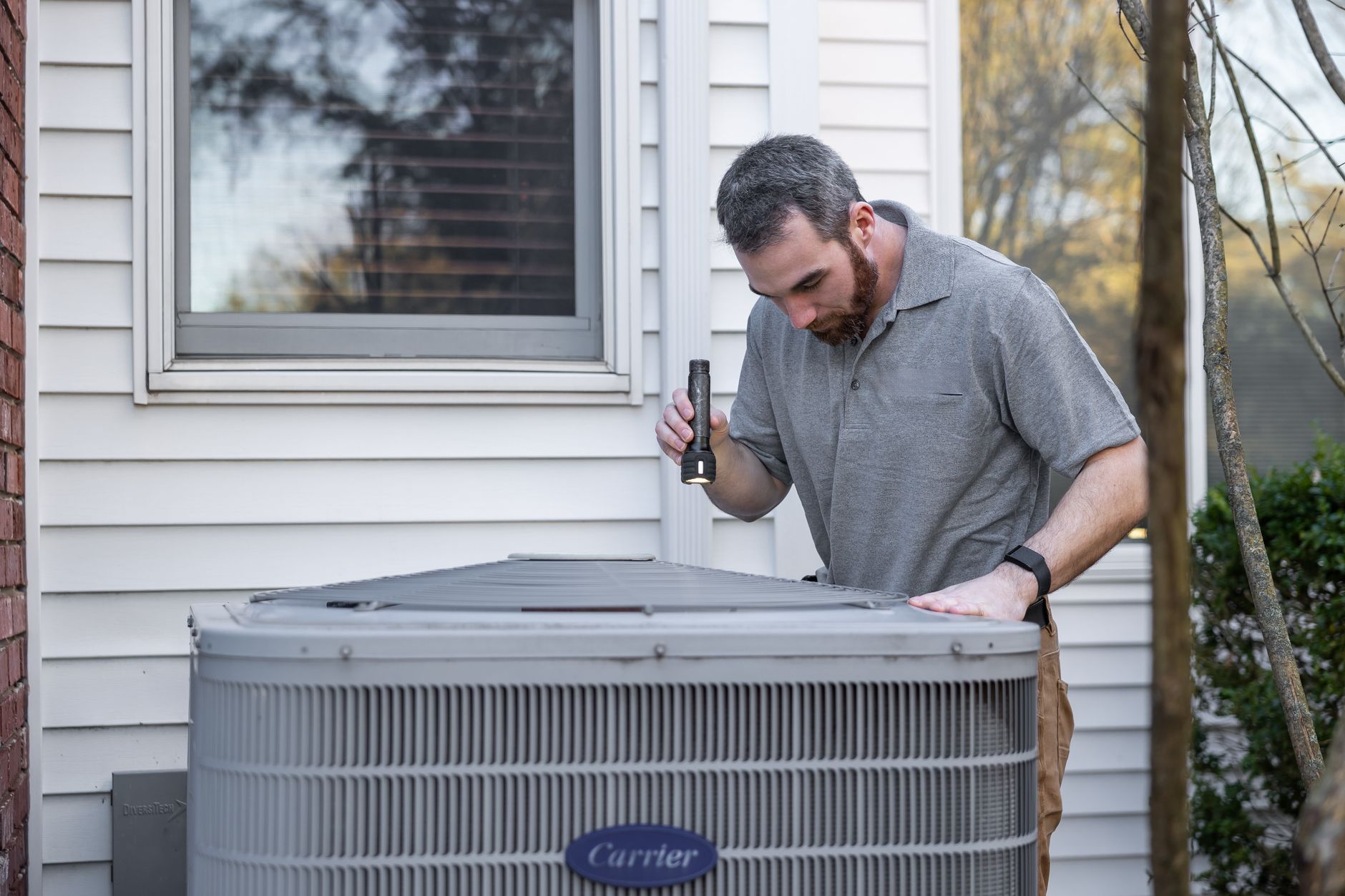
Photo by Kathleen Austin Kuhn on Pexels
Thermostat Temperature Doesn’t Match Room: A Comprehensive Repair Guide
Introduction to Thermostat Problems
If your thermostat temperature doesn’t match the room, it can be frustrating and affect your comfort. In this guide, we will walk you through common symptoms, likely causes, safe checks, and the repair process.
Common Symptoms
The thermostat temperature not matching the room is a common issue. Other symptoms include inconsistent heating or cooling, and the system not turning on or off as expected.
Symptom Checklist
- Inconsistent temperatures
- System not turning on or off
- Inaccurate thermostat readings
Most Likely Causes
The most likely causes of this issue include a faulty thermostat, incorrect thermostat installation, or issues with the HVAC system itself.
Cause Checklist
- Faulty thermostat
- Incorrect thermostat installation
- HVAC system issues
Safe Homeowner Checks
Before calling a technician, you can perform some safe checks. Check the thermostat batteries, ensure the thermostat is properly installed, and verify that the system is turned on.
Safe Check Checklist
- Check thermostat batteries
- Verify thermostat installation
- Check system power
Checks Homeowners Should Not Attempt
Some checks and repairs should only be performed by a qualified HVAC technician. These include handling refrigerant, working on live high-voltage circuits, and replacing capacitors.
Technician-Only Repairs
- Refrigerant handling
- Live high-voltage circuit work
- Capacitor replacement
How an HVAC Technician Diagnoses the Issue
A qualified HVAC technician will perform a series of tests to diagnose the issue. These tests include checking the thermostat, verifying system operation, and inspecting the HVAC system.
Technician Diagnosis Checklist
- Thermostat check
- System operation verification
- HVAC system inspection
Typical Professional Repair Process
The repair process typically involves identifying the root cause of the issue, performing the necessary repairs, and verifying system operation.
Repair Process Checklist
- Root cause identification
- Necessary repairs
- System operation verification
Repair versus Replacement Guidance
In some cases, it may be more cost-effective to replace the thermostat or HVAC system rather than repair it. A qualified technician can provide guidance on the best course of action.
Replacement Checklist
- Thermostat replacement
- HVAC system replacement
Prevention and Maintenance Checklist
Regular maintenance can help prevent issues with your thermostat and HVAC system. This includes changing filters, inspecting the system, and scheduling annual maintenance.
Maintenance Checklist
- Change filters regularly
- Inspect the system annually
- Schedule annual maintenance
Urgency and Emergency Warning Signs
If you notice any urgent or emergency warning signs, such as a gas smell or carbon monoxide alarm, stop the system and contact emergency services or a qualified technician immediately.
Warning Signs Checklist
- Gas smell
- Carbon monoxide alarm
- System malfunction
Frequently Asked Questions
Q: What are the most common causes of thermostat issues?
A: The most common causes include a faulty thermostat, incorrect thermostat installation, or issues with the HVAC system itself.
Q: How often should I change my filters?
A: You should change your filters regularly, typically every 1-3 months, depending on usage and manufacturer recommendations.
Q: What are the benefits of regular maintenance?
A: Regular maintenance can help prevent issues, improve system efficiency, and extend the lifespan of your thermostat and HVAC system.
Q: How do I know if I need to replace my thermostat or HVAC system?
A: A qualified technician can provide guidance on the best course of action based on the age, condition, and performance of your thermostat and HVAC system.
Q: What are the warning signs of a malfunctioning thermostat or HVAC system?
A: Warning signs include inconsistent temperatures, system not turning on or off, and unusual noises or smells.
Q: How can I prevent issues with my thermostat and HVAC system?
A: Regular maintenance, changing filters, and scheduling annual inspections can help prevent issues and ensure optimal system performance.


Leave a Reply