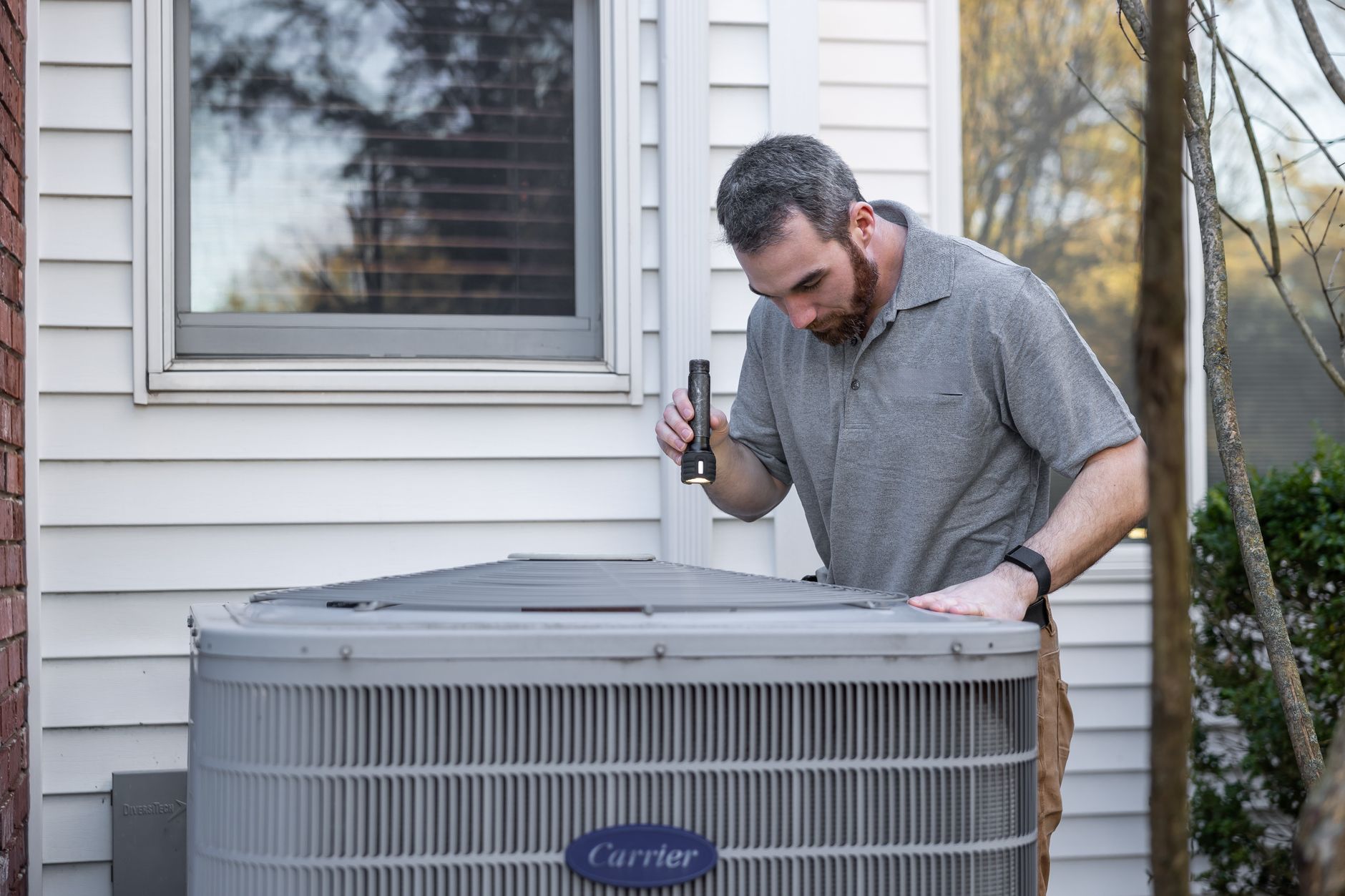
Photo by Kathleen Austin Kuhn on Pexels
Thermostat Not Working? Lower Energy Bills and Protect Your HVAC System
As a homeowner in San Diego, CA, you understand the importance of a functioning HVAC system. A malfunctioning thermostat can lead to increased energy bills and potentially damage your system. In this article, we will explore the importance of a working thermostat, common issues, and provide practical tips on how to lower your energy bills and protect your system.
Introduction to Thermostats
A thermostat is a crucial component of your HVAC system, regulating the temperature in your home. It acts as the brain of your system, turning the heating or cooling on and off to maintain a set temperature. A faulty thermostat can lead to inefficient heating and cooling, resulting in higher energy bills.
Common Thermostat Issues
Some common issues with thermostats include faulty temperature sensors, wiring problems, and software glitches. These issues can be caused by a variety of factors, including wear and tear, power outages, or poor installation. If you suspect that your thermostat is not working correctly, it is essential to have it checked by a professional HVAC technician.
Thermostat Troubleshooting
Before calling a professional, you can try some basic troubleshooting steps. Check the batteries, ensure the thermostat is properly programmed, and verify that the system is turned on. If these steps do not resolve the issue, it may be necessary to replace the thermostat or have it repaired by a professional.
Air Conditioning Repair and Maintenance
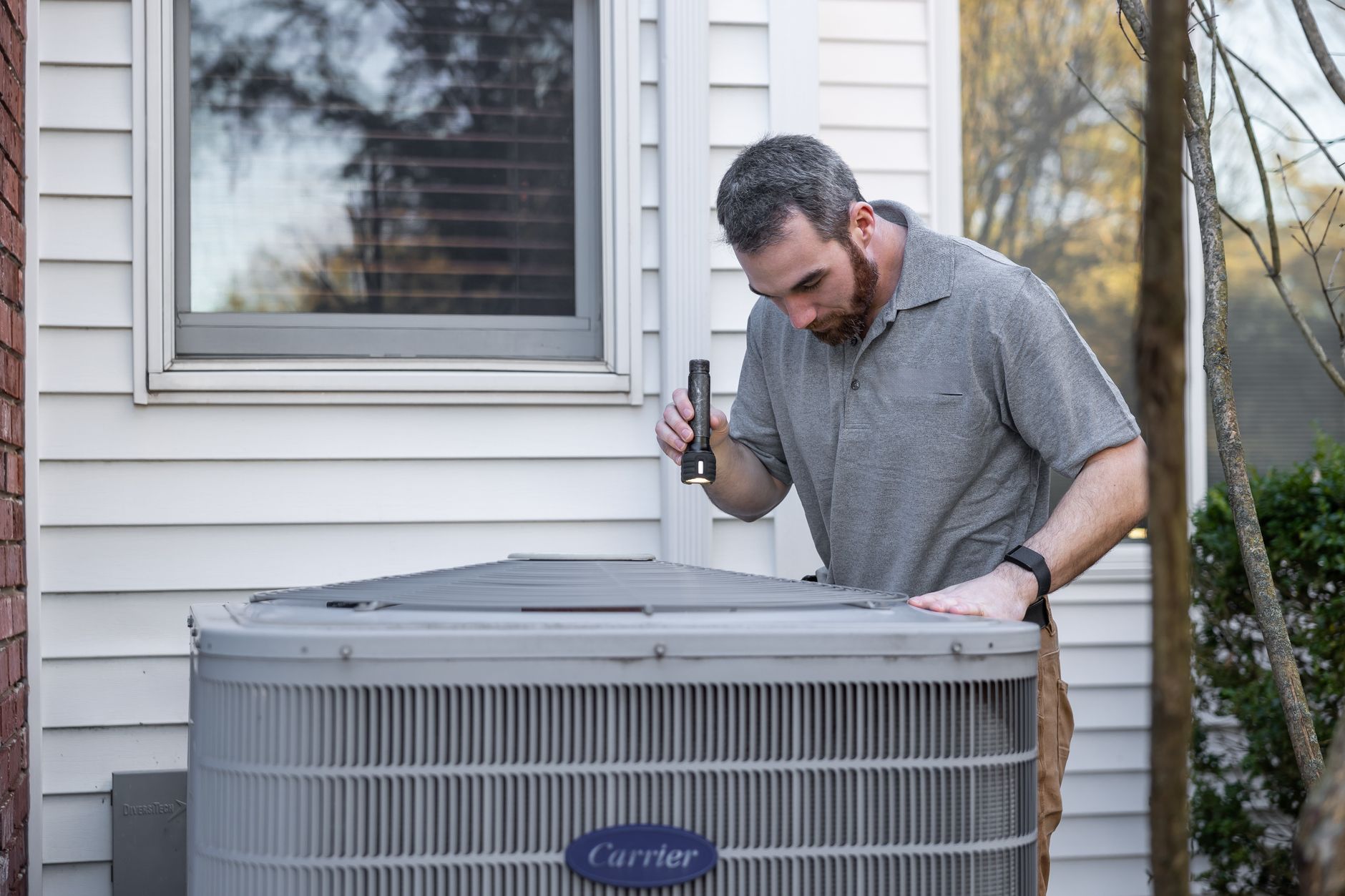
Regular maintenance is essential to extend the life of your HVAC system and prevent costly repairs. This includes cleaning the air filters, inspecting the condenser coils, and checking the refrigerant levels. Neglecting these tasks can lead to reduced system efficiency, increased energy bills, and potentially cause the system to fail.
Heating Repair and Maintenance
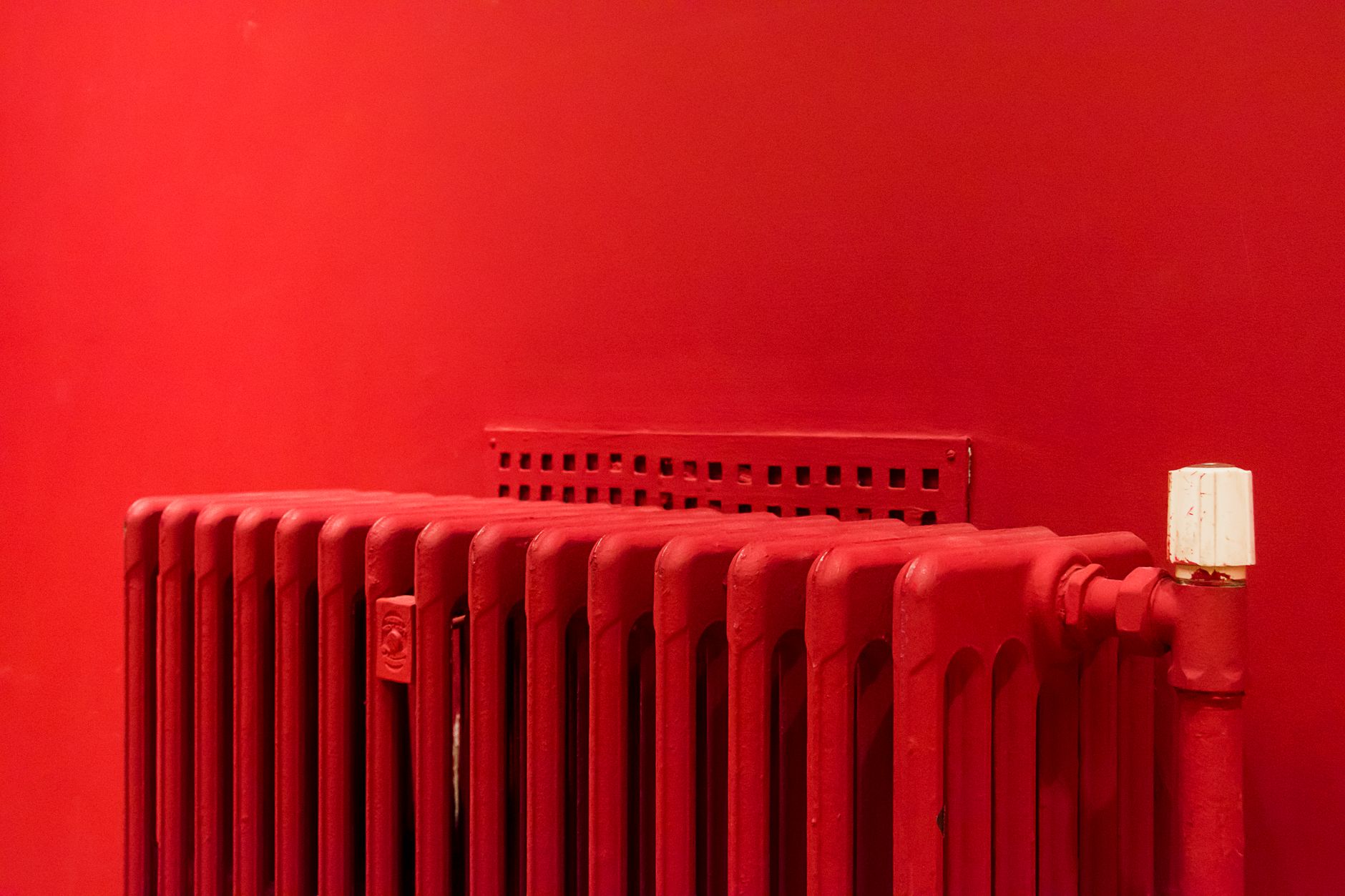
In addition to air conditioning repair, it is also essential to maintain your heating system. This includes inspecting the furnace, checking the burner, and verifying that the system is properly vented. A well-maintained heating system will not only reduce energy bills but also provide a safer and more comfortable living environment.
Heat Pump Repair and Maintenance
A heat pump is a versatile system that provides both heating and cooling. Regular maintenance is crucial to ensure the system operates efficiently and effectively. This includes cleaning the air filters, inspecting the coils, and checking the refrigerant levels.
Practical Homeowner Checklist
To ensure your HVAC system operates efficiently and effectively, follow this practical checklist:
- Check the air filters monthly and replace them as needed
- Inspect the condenser coils and clean them if necessary
- Verify the refrigerant levels and check for leaks
- Check the thermostat batteries and replace them as needed
- Inspect the furnace and burner for any signs of wear or damage
- Verify that the system is properly vented
Cost and Urgency Guidance
The cost of repairing or replacing your HVAC system can vary depending on the issue and the complexity of the repair. It is essential to address any issues promptly to avoid further damage and increased energy bills. If you are unsure about the cost or urgency of a repair, it is best to consult with a professional HVAC technician.
Frequently Asked Questions
Here are some frequently asked questions about thermostats and HVAC systems:
- Q: How often should I replace my air filter?
- A: It is recommended to replace your air filter every 1-3 months, depending on usage and manufacturer recommendations.
- Q: Why is my energy bill so high?
- A: A high energy bill can be caused by a variety of factors, including a malfunctioning thermostat, poor insulation, or inefficient HVAC system.
- Q: Can I repair my HVAC system myself?
- A: While some minor issues can be resolved with DIY repairs, it is recommended to hire a professional HVAC technician for complex repairs and maintenance.
- Q: How long does a typical HVAC system last?
- A: The lifespan of an HVAC system can vary depending on the type and quality of the system, as well as maintenance and usage. On average, a well-maintained system can last 10-20 years.
- Q: What are the benefits of regular HVAC maintenance?
- A: Regular maintenance can help extend the life of your system, reduce energy bills, and prevent costly repairs.
- Q: Can I install a new thermostat myself?
- A: While it is possible to install a new thermostat yourself, it is recommended to hire a professional HVAC technician to ensure proper installation and programming.


Leave a Reply