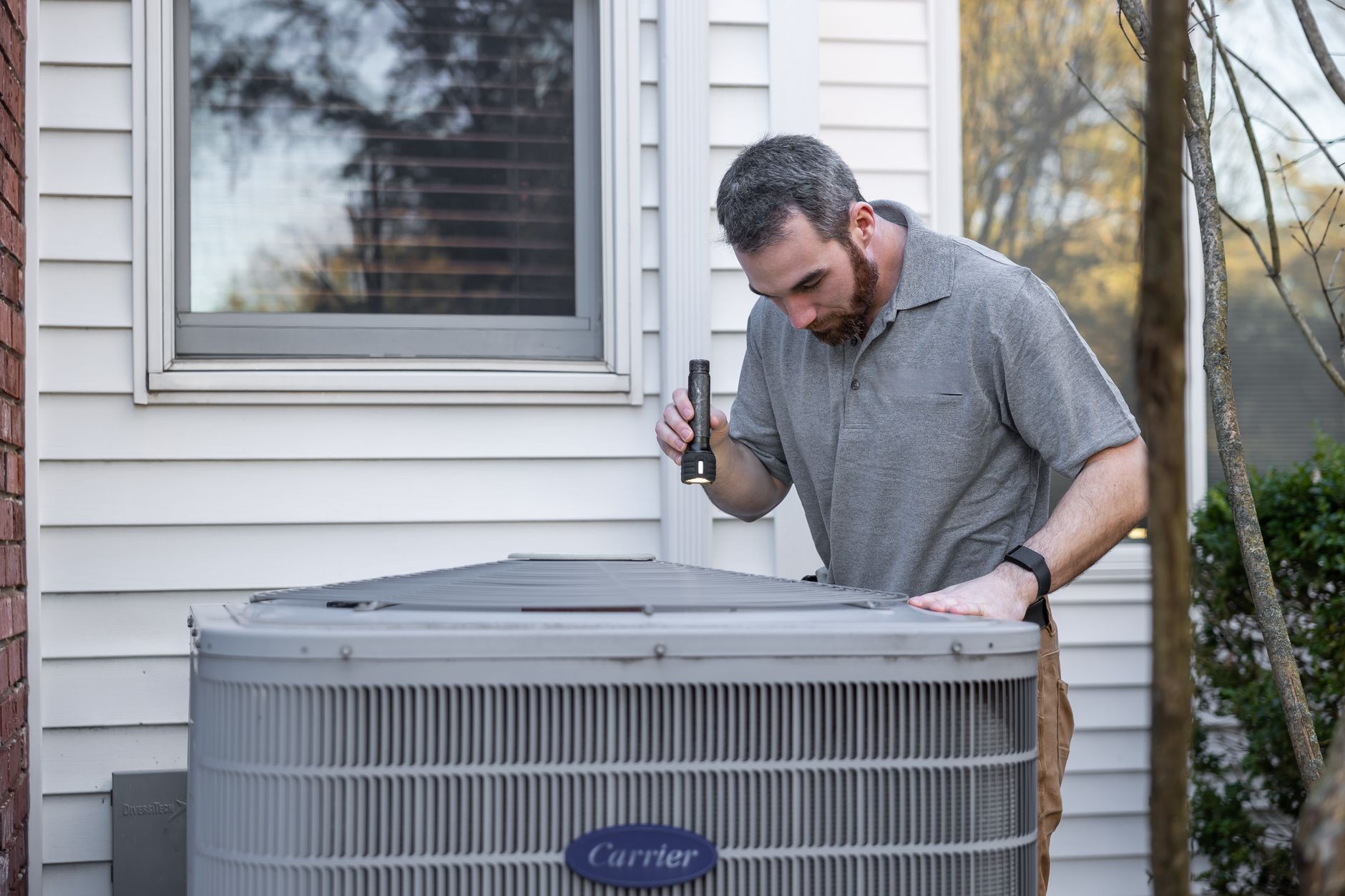
Photo by Kathleen Austin Kuhn on Pexels
Blank or Unresponsive Thermostat: A Comprehensive Repair Guide for Gas Furnace Owners
Introduction to Thermostat Problems
If your thermostat is blank or not responding, it can be a frustrating and potentially concerning issue, especially during extreme weather conditions. The first and most important safety warning is to never attempt to repair your thermostat or gas furnace if you suspect a gas leak, smell gas, or experience any other hazardous situation. In such cases, immediately leave the area, and contact your gas utility company or emergency services.
Common Symptoms of a Faulty Thermostat
The most obvious symptom is a blank or unresponsive display on your thermostat. Other signs may include inconsistent heating, failure to turn on or off, or erratic temperature readings.
Most Likely Causes of Thermostat Issues
Causes can range from simple battery replacements to more complex issues like wiring problems, thermostat malfunction, or furnace control board failures.
Simple Causes
Battery replacement, loose wiring, or a tripped circuit breaker are common simple causes.
Complex Causes
These include thermostat failure, furnace control board issues, or more severe electrical problems.
Safe Homeowner Checks
Homeowners can safely check for loose batteries, ensure the thermostat is properly connected to the wall, and verify that the circuit breaker hasn’t tripped.
Checks Homeowners Should Not Attempt
Any checks involving live electrical circuits, gas lines, or the internal components of the thermostat or furnace should be left to a qualified HVAC technician.
How an HVAC Technician Diagnoses the Issue
A technician will perform a series of tests, including voltage checks, thermostat calibration, and inspection of wiring and connections, to identify the root cause of the problem.
Typical Professional Repair Process
Repairs can involve replacing the thermostat, fixing wiring issues, or replacing components on the furnace control board. The cost will depend on the part type, labor, accessibility, system age, and local rates.
Repair versus Replacement Guidance
The decision to repair or replace depends on the age of the system, the nature of the fault, and the cost of the repair versus the cost of a new system.
Prevention and Maintenance Checklist
Regular maintenance includes changing air filters, inspecting wiring, and ensuring proper thermostat operation to prevent future issues.
Urgency and Emergency Warning Signs
Signs of an emergency include a gas smell, smoke, or carbon monoxide alarm sounding. In such cases, leave the area immediately and contact emergency services or a qualified technician.
Frequently Asked Questions
- Q: Can I replace my thermostat myself?
A: While possible, it’s recommended to have a professional ensure proper installation and calibration. - Q: How often should I maintain my HVAC system?
A: Regular maintenance should be performed at least once a year. - Q: What are the most common thermostat problems?
A: Battery issues, loose connections, and malfunctioning thermostats are common. - Q: Can a faulty thermostat increase my energy bill?
A: Yes, an inefficient or malfunctioning thermostat can lead to increased energy consumption. - Q: How do I know if my thermostat is malfunctioning?
A: Look for inconsistent heating, failure to turn on or off, or erratic temperature readings. - Q: What should I do if I smell gas near my furnace?
A: Immediately leave the area and contact emergency services or your gas utility company.


Leave a Reply