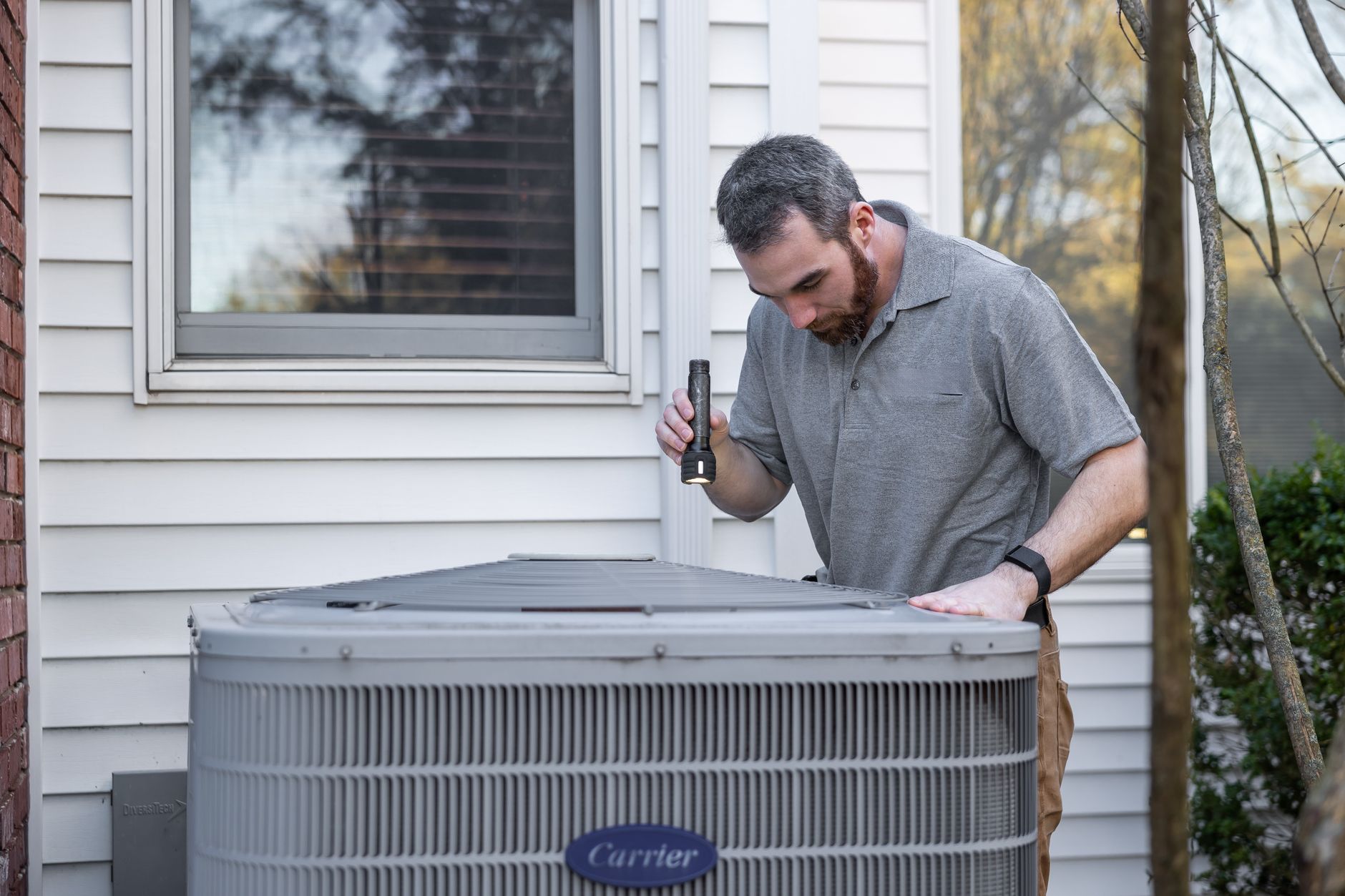
Photo by Kathleen Austin Kuhn on Pexels
Troubleshooting Your Thermostat: A Guide for Atlanta Homeowners
As a homeowner in Atlanta, there’s nothing worse than coming home to a sweltering hot house in the summer or a freezing cold house in the winter. If your thermostat is not working, it can be frustrating and uncomfortable. Before calling for HVAC repair, try these simple troubleshooting steps to see if you can resolve the issue on your own.
Understanding Your Thermostat
Before you start troubleshooting, it’s essential to understand how your thermostat works. Most thermostats are relatively simple devices that control the temperature in your home by turning your heating or cooling system on and off. If your thermostat is not working, it could be due to a variety of reasons, including a power outage, dead batteries, or a faulty sensor.
Basic Troubleshooting Steps
Here are some basic troubleshooting steps you can take to try and resolve the issue:
- Check the power: Make sure the thermostat is receiving power. Check the circuit breaker or fuse box to ensure that the power is on.
- Check the batteries: If your thermostat runs on batteries, try replacing them with new ones.
- Check the sensor: If your thermostat has a sensor, try cleaning it with a soft brush or replacing it if it’s faulty.
Advanced Troubleshooting Steps
If the basic troubleshooting steps don’t work, it’s time to move on to some more advanced steps. These may include:
- Checking the wiring: If you have a wired thermostat, check the wiring to ensure it’s not damaged or loose.
- Checking the furnace or AC unit: If your furnace or AC unit is not turning on, it could be due to a problem with the unit itself, rather than the thermostat.
When to Call a Professional
While troubleshooting can be helpful, there are times when it’s best to call a professional HVAC technician. If you’re not comfortable with DIY repairs or if you’ve tried troubleshooting and the issue persists, it’s time to call in the experts. A professional HVAC technician can diagnose the problem and provide a solution to get your heating or cooling system up and running again.
Cost and Urgency Guidance
The cost of HVAC repair can vary depending on the issue and the type of system you have. In general, it’s best to address issues promptly to avoid more significant problems down the line. If your system is not working, it can lead to increased energy bills, reduced system lifespan, and even safety hazards.
Practical Homeowner Checklist
Here’s a practical checklist you can use to troubleshoot your thermostat and HVAC system:
- Check the thermostat settings
- Check the power and batteries
- Check the sensor and wiring
- Check the furnace or AC unit
- Check for any blockages or leaks
Frequently Asked Questions
Here are some frequently asked questions about thermostat troubleshooting and HVAC repair:
- Q: Why is my thermostat not working?
- A: There could be several reasons why your thermostat is not working, including a power outage, dead batteries, or a faulty sensor.
- Q: How do I troubleshoot my thermostat?
- A: Start by checking the power and batteries, then move on to more advanced steps like checking the wiring and sensor.
- Q: When should I call a professional HVAC technician?
- A: If you’re not comfortable with DIY repairs or if you’ve tried troubleshooting and the issue persists, it’s time to call in the experts.
- Q: How much does HVAC repair cost?
- A: The cost of HVAC repair can vary depending on the issue and the type of system you have.
- Q: Is it urgent to address HVAC issues?
- A: Yes, it’s essential to address HVAC issues promptly to avoid more significant problems down the line.
- Q: Can I perform DIY repairs on my HVAC system?
- A: While some DIY repairs may be possible, it’s generally recommended to call a professional HVAC technician for complex issues.


Leave a Reply