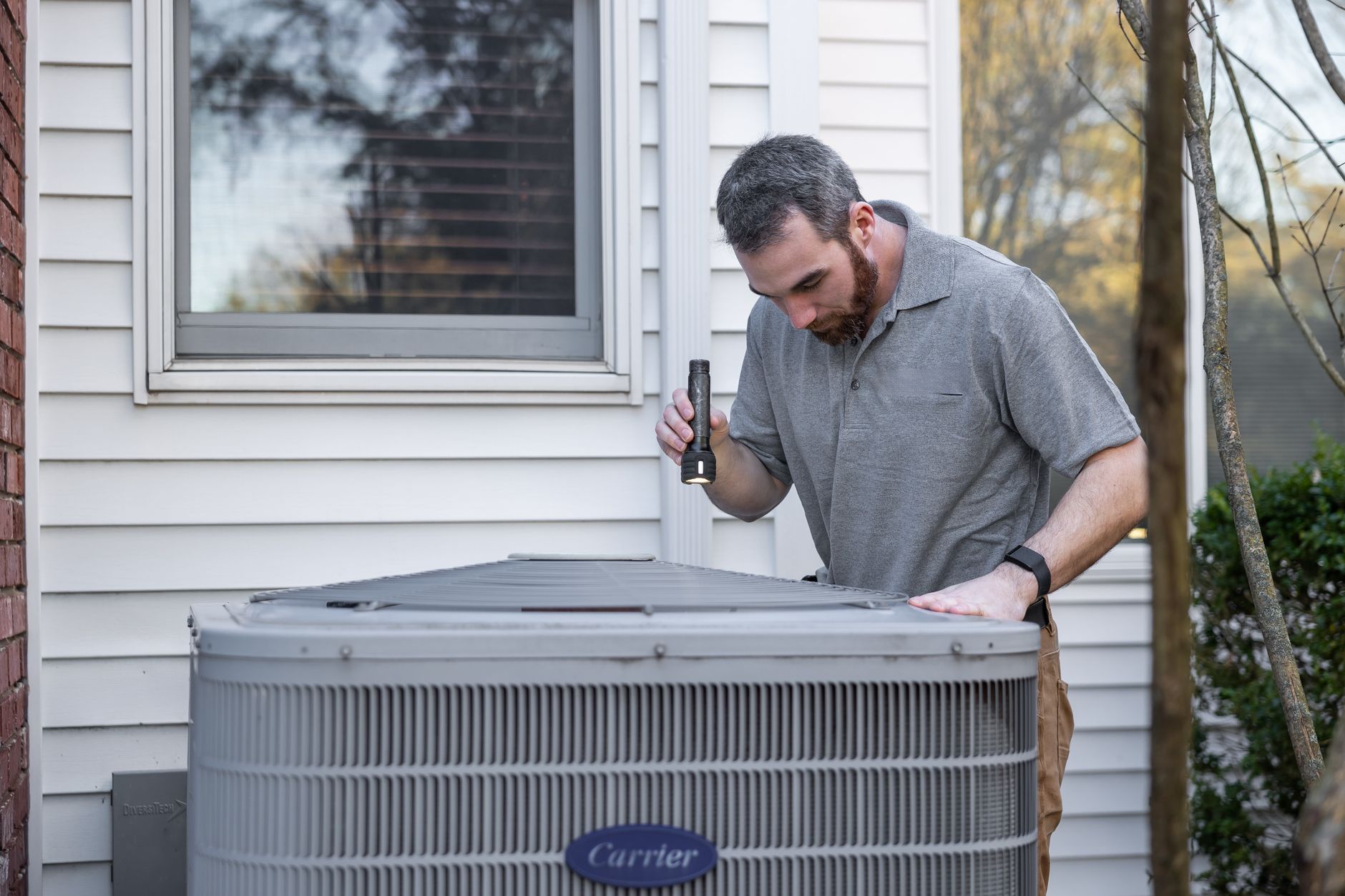
Photo by Kathleen Austin Kuhn on Pexels
Outdoor Unit Fan Not Spinning: A Comprehensive Repair Guide
Introduction to the Problem
The outdoor unit fan is a critical component of your central air conditioner, responsible for dissipating heat from the condenser coils. If the fan stops spinning, your AC system can overheat, leading to reduced performance, increased energy bills, and potentially causing damage to other components.
Common Symptoms
If your outdoor unit fan is not spinning, you may notice:
- No air movement around the outdoor unit
- Increased noise from the compressor or other components
- Higher than usual energy bills
- Reduced cooling performance
Most Likely Causes
The most common causes of an outdoor unit fan not spinning include:
- Failed fan motor
- Bad capacitor
- Loose or corroded connections
- Debris or ice blocking the fan
Safety Warning
Before attempting any repairs, ensure you have switched off the power to the outdoor unit at the circuit breaker or fuse box. Never attempt to repair or troubleshoot your AC system while it is still powered on, as this can lead to serious injury or death.
Safe Homeowner Checks
As a homeowner, you can perform the following safe checks:
- Verify the power is off at the circuit breaker or fuse box
- Check for any visible blockages or debris around the fan
- Ensure the fan is properly secured to the outdoor unit
Checks Homeowners Should Not Attempt
Do not attempt to:
- Open the outdoor unit or touch any internal components
- Handle or attempt to repair the fan motor or capacitor
- Work on live electrical circuits
How an HVAC Technician Diagnoses the Issue
A qualified HVAC technician will:
- Perform a visual inspection of the outdoor unit and fan
- Check the capacitor and fan motor for signs of failure
- Verify the electrical connections are secure and not corroded
- Use specialized tools to diagnose any issues with the fan motor or capacitor
Typical Professional Repair Process
The repair process will depend on the root cause of the issue, but may involve:
- Replacing the failed fan motor or capacitor
- Cleaning or replacing the fan and surrounding area
- Securing any loose connections or wires
Repair versus Replacement Guidance
If your outdoor unit is old or has undergone frequent repairs, it may be more cost-effective to replace the entire system rather than repair the fan. Consult with a qualified HVAC technician to determine the best course of action.
Prevention and Maintenance Checklist
To prevent future issues with your outdoor unit fan:
- Schedule regular maintenance with a qualified HVAC technician
- Keep the area around the outdoor unit clear of debris and vegetation
- Ensure the fan is properly secured and balanced
Urgency and Emergency Warning Signs
If you notice any of the following, contact a qualified HVAC technician immediately:
- A strong gas smell or carbon monoxide alarm
- Sparking or arcing from the outdoor unit
- Repeated breaker trips or overheating
Frequently Asked Questions
- Q: Why is my outdoor unit fan not spinning?
A: The most common causes include a failed fan motor, bad capacitor, or debris blocking the fan. - Q: Can I repair the fan motor myself?
A: No, it is not recommended to attempt to repair the fan motor yourself, as this can lead to serious injury or death. - Q: How often should I schedule maintenance for my AC system?
A: It is recommended to schedule maintenance at least once a year, preferably before the start of the cooling season. - Q: What are the consequences of not repairing the outdoor unit fan?
A: If left unrepaired, the outdoor unit fan can cause your AC system to overheat, leading to reduced performance, increased energy bills, and potentially causing damage to other components. - Q: Can I replace the entire AC system myself?
A: No, it is not recommended to attempt to replace the entire AC system yourself, as this requires specialized tools and training. - Q: How much does it cost to repair the outdoor unit fan?
A: The cost of repair will depend on the root cause of the issue, the type of parts required, and the labor costs of the technician.


Leave a Reply