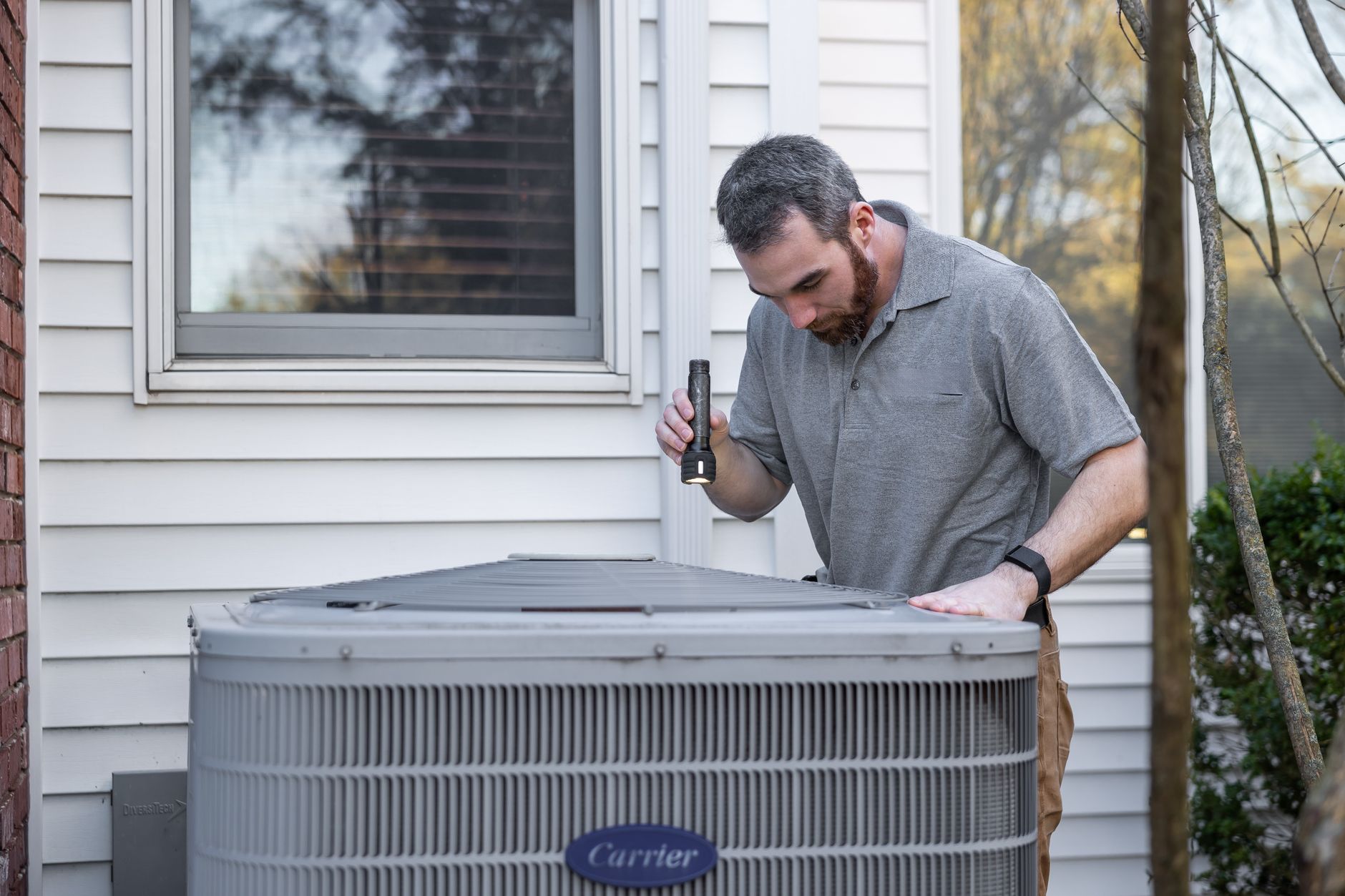
Photo by Kathleen Austin Kuhn on Pexels
Introduction to HVAC Repair in Indianapolis
As a homeowner in Indianapolis, you know how important it is to have a reliable heating and cooling system. However, like any other mechanical system, your HVAC can malfunction, leaving you with uncomfortable temperatures and potentially costly repairs.
Understanding HVAC Systems
An HVAC system is a complex network of components that work together to provide heating, ventilation, and air conditioning. It includes the furnace, air conditioner, heat pump, thermostat, and ductwork.
Common Components of an HVAC System
- Furnace: Provides heat during the winter months
- Air Conditioner: Cools the air during the summer months
- Heat Pump: Both heats and cools the air, depending on the season
- Thermostat: Regulates the temperature in your home
- Ductwork: Distributes heated or cooled air throughout your home
Emergency Symptoms to Watch Out For
Certain symptoms can indicate that your HVAC system requires immediate attention. These include:
- Unusual noises, such as banging, clanking, or hissing sounds
- Leaks or water damage around the system
- Increased energy bills without a corresponding increase in usage
- Inconsistent temperatures throughout your home
- A burning smell or smoke coming from the vents
Why You Shouldn’t Ignore These Symptoms
Ignoring these symptoms can lead to more severe problems, including:
- Complete system failure, leaving you without heat or air conditioning
- Increased energy bills due to inefficient operation
- Reduced system lifespan, resulting in premature replacement
- Potential health risks, such as mold growth or carbon monoxide poisoning
Practical Homeowner Checklist
To help you identify potential issues before they become major problems, use the following checklist:
- Regularly inspect your HVAC system for signs of wear or damage
- Check your thermostat to ensure it’s functioning correctly
- Replace your air filters every 1-3 months, depending on usage
- Keep the area around your HVAC system clear of debris and clutter
- Schedule annual maintenance with a professional HVAC technician
Cost and Urgency Guidance
The cost of repairs can vary depending on the severity of the issue and the components involved. However, it’s essential to address problems promptly to avoid more costly repairs down the line.
Frequently Asked Questions
- Q: How often should I schedule HVAC maintenance?
- A: It’s recommended to schedule annual maintenance with a professional HVAC technician to ensure your system is running efficiently and effectively.
- Q: Can I perform DIY repairs on my HVAC system?
- A: It’s not recommended to attempt DIY repairs, especially when it comes to electrical or refrigerant components. This can be dangerous and may void your warranty.
- Q: How long does a typical HVAC system last?
- A: The lifespan of an HVAC system can vary depending on the quality of the equipment, maintenance, and usage. On average, a well-maintained system can last 10-20 years.
- Q: What are the benefits of regular HVAC maintenance?
- A: Regular maintenance can help improve efficiency, reduce energy bills, and extend the lifespan of your system.
- Q: Can I replace my HVAC system myself?
- A: It’s not recommended to attempt to replace your HVAC system yourself. This is a complex process that requires professional expertise and specialized tools.
- Q: How do I know if I need to replace my HVAC system?
- A: If your system is old, inefficient, or requires frequent repairs, it may be time to consider replacement. Consult with a professional HVAC technician to determine the best course of action.


Leave a Reply