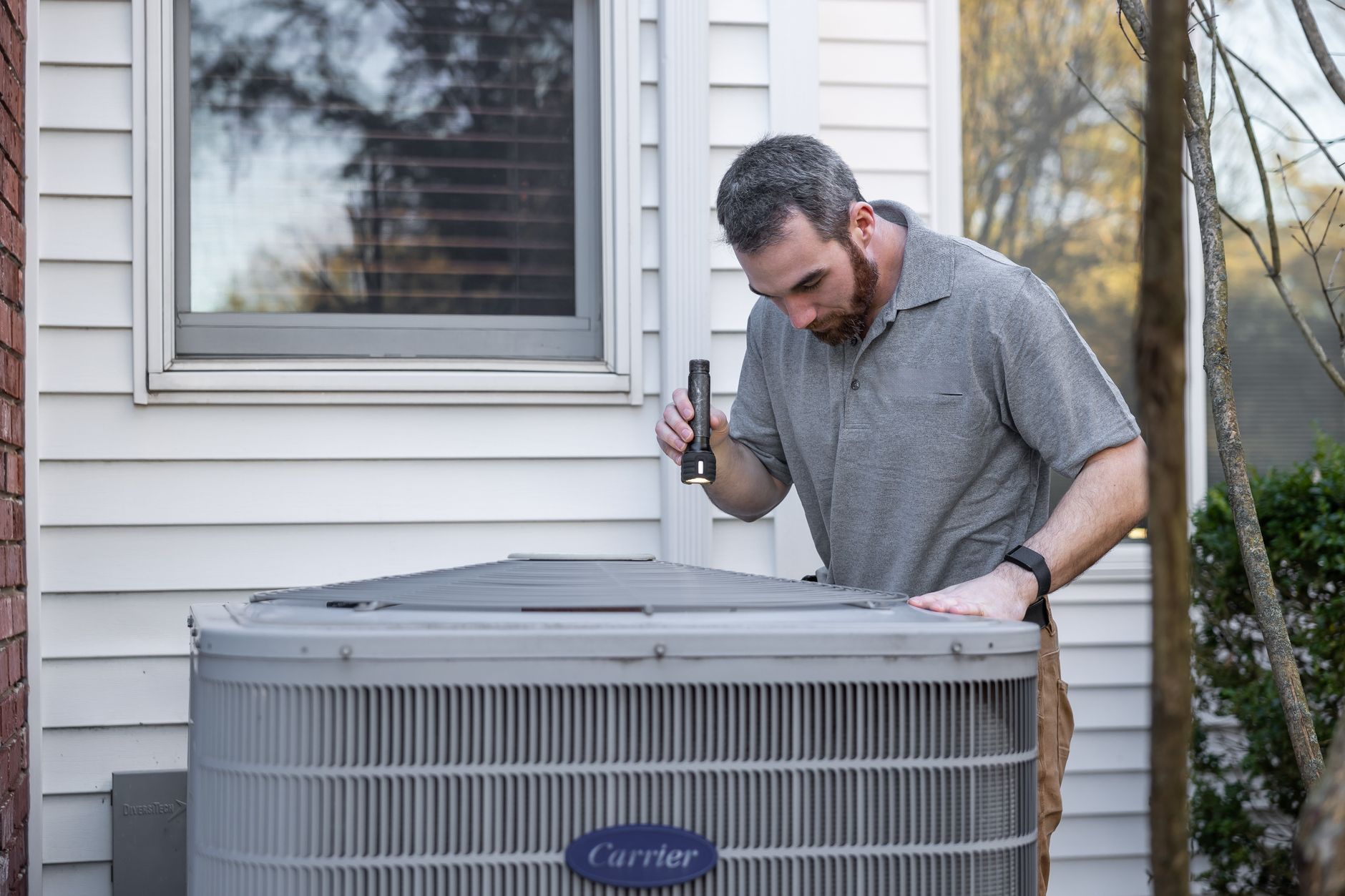
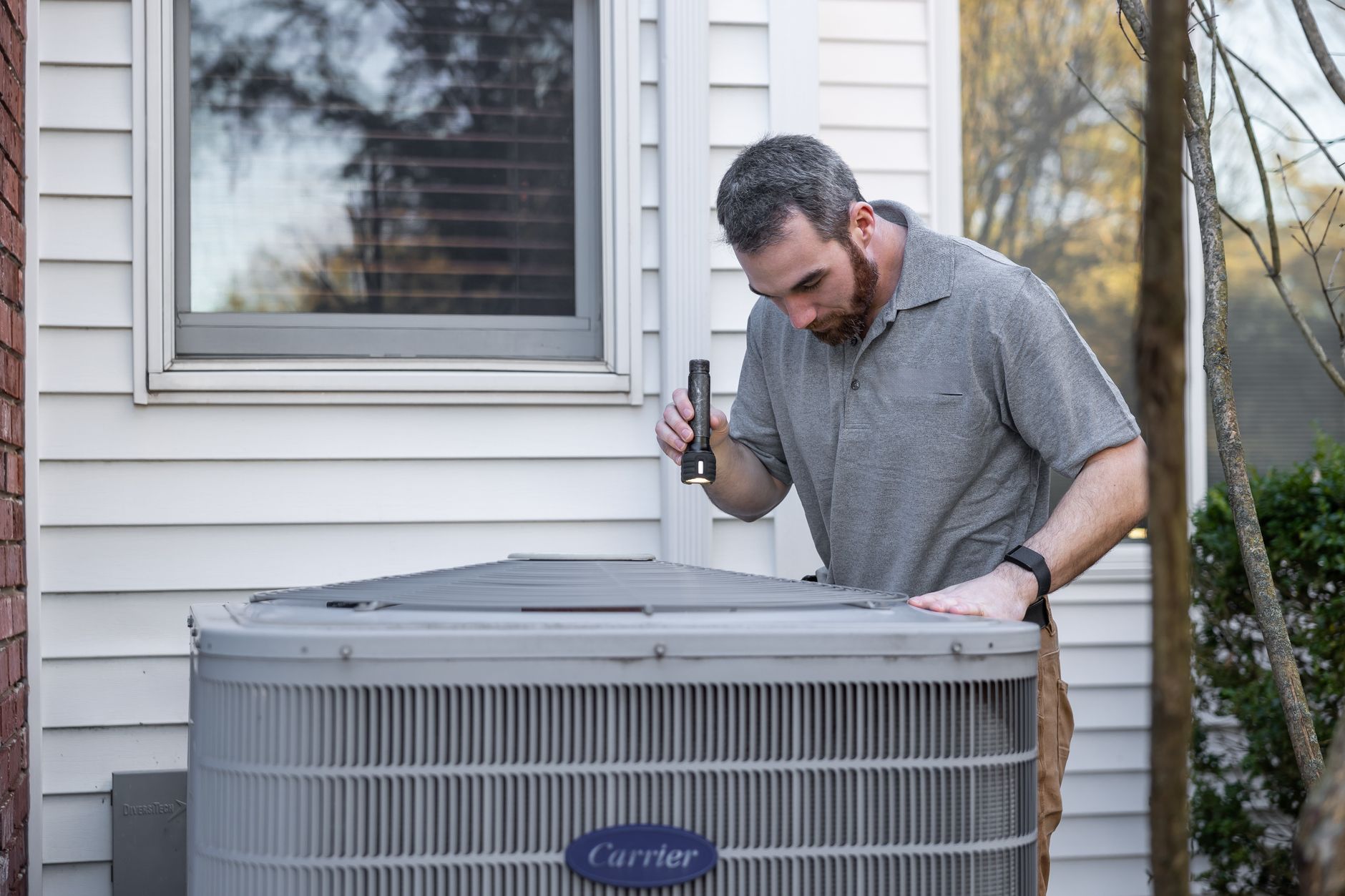
Photo by Kathleen Austin Kuhn on Pexels
Residential HVAC System Buzzing Noise Repair Guide
Introduction to the Problem
If your residential HVAC system is making a buzzing noise, it’s essential to address the issue promptly to avoid further damage or safety risks.
Common Symptoms
Buzzing noises from your HVAC system can be intermittent or constant, and may be accompanied by other symptoms such as vibration, reduced airflow, or increased energy bills.
Safety Warning
Never attempt to repair your HVAC system while it’s still operational, especially if you smell gas, notice sparks, or hear unusual noises. If you experience any of these warning signs, stop the system, leave the area, and contact emergency services or a qualified technician.
Most Likely Causes
Buzzing noises can be caused by issues such as loose or faulty electrical connections, malfunctioning fan motors, or refrigerant leaks.
Safe Homeowner Checks
Before calling a technician, check your thermostat settings, ensure proper air filter maintenance, and verify that all vents are clear of obstructions.
Checks Homeowners Should Not Attempt
Avoid handling refrigerant, opening sealed refrigeration systems, or working on live high-voltage circuits, as these tasks require specialized training and equipment.
How an HVAC Technician Diagnoses the Issue
A qualified technician will typically inspect your system’s electrical connections, fan motors, and refrigerant levels to identify the root cause of the buzzing noise.
Typical Professional Repair Process
Repairs may involve tightening electrical connections, replacing faulty fan motors, or sealing refrigerant leaks. The cost of repairs will depend on factors such as part type, labor, accessibility, system age, and local rates.
Repair versus Replacement Guidance
If your system is old or has undergone frequent repairs, it may be more cost-effective to replace it entirely. Consult with a qualified technician to determine the best course of action.
Prevention and Maintenance Checklist
- Regularly inspect and replace air filters
- Verify proper thermostat settings
- Ensure all vents are clear of obstructions
- Schedule annual maintenance with a qualified technician
Urgency and Emergency Warning Signs
If you notice any of the following warning signs, stop the system and contact emergency services or a qualified technician: gas smell, smoke, burning odor, carbon monoxide alarm, sparking, repeated breaker trips, or severe overheating.
Frequently Asked Questions
- What are the most common causes of buzzing noises in HVAC systems?
- How can I prevent buzzing noises in my HVAC system?
- Can I repair my HVAC system myself?
- How much does it cost to repair a buzzing HVAC system?
- Should I replace my old HVAC system?
- How often should I schedule maintenance with a qualified technician?


Leave a Reply