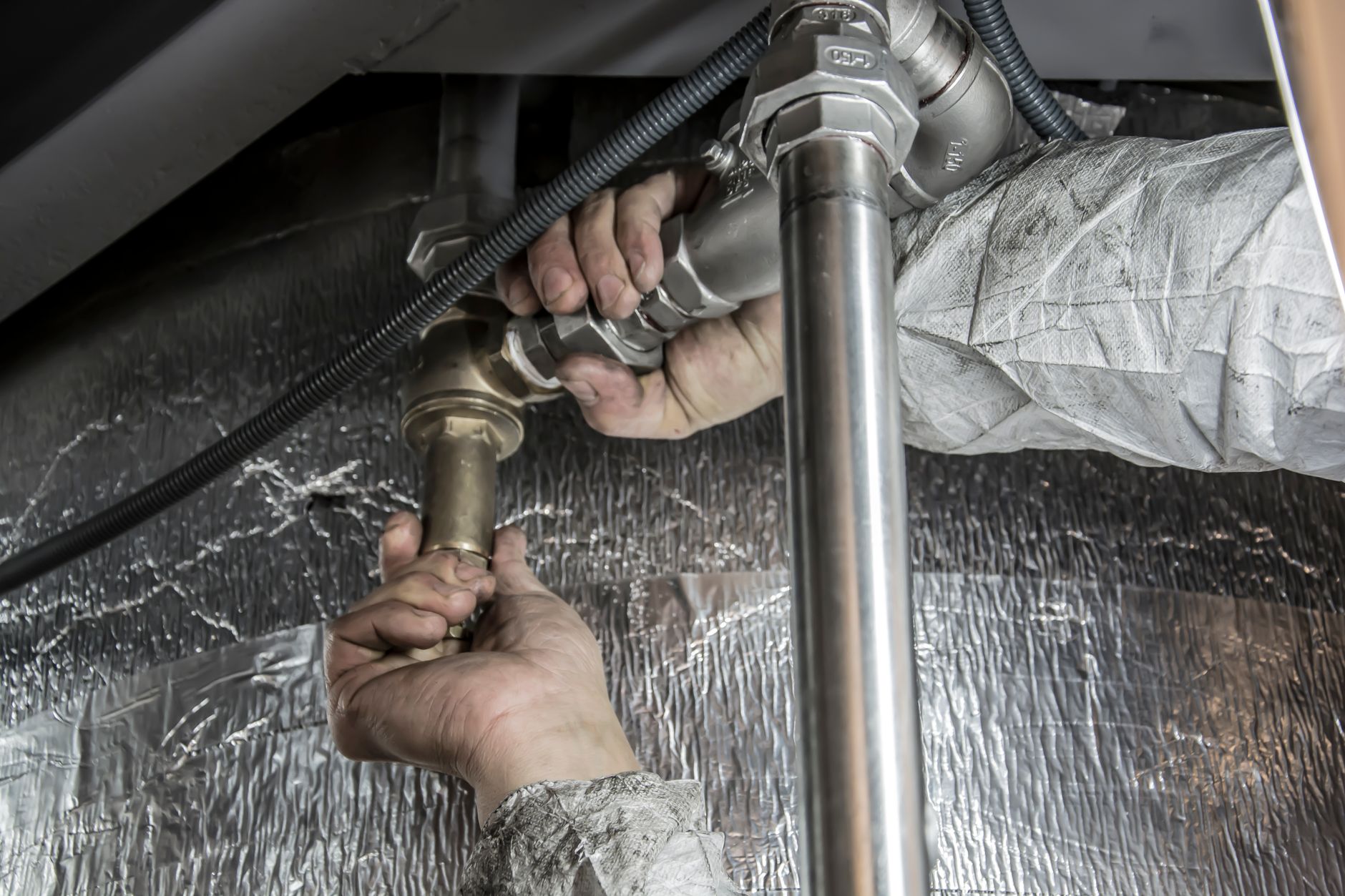
Photo by Anıl Karakaya on Pexels
Is a Dirty Furnace Filter Reducing Your Heater’s Performance?
A dirty furnace filter can significantly reduce your heater’s performance, leading to inadequate heat output and increased energy bills. In this article, we’ll explore the importance of regular furnace filter maintenance and provide step-by-step instructions on how to check and replace your filter safely.
Understanding the Role of Furnace Filters
Furnace filters play a crucial role in maintaining the efficiency and performance of your home heating system. They help remove dust, dirt, and other airborne particles from the air, ensuring that your heater operates cleanly and safely.
Safe Checks for Homeowners
Before calling a technician, perform these safe checks to identify potential issues with your furnace filter: Check the filter for visible signs of dirt and debris, Ensure the filter is properly installed and secured, and Verify that the filter is the correct size and type for your furnace.
Danger Signs: When to Call a Technician
If you notice any of the following danger signs, shut down your heater and contact a licensed technician immediately: A strong gas smell, Suspected carbon monoxide, Smoke or flames, Sparking or melted wiring, or Severe overheating.
Prevention is Key: Regular Maintenance Tips
To prevent furnace filter-related issues, follow these regular maintenance tips: Check and replace your furnace filter every 1-3 months, depending on usage and manufacturer recommendations, Inspect your filter for damage or wear, and Keep your furnace area clean and clear of debris.
Conclusion: Take Control of Your Heater’s Performance
In conclusion, a dirty furnace filter can significantly impact your heater’s performance. By following the safe checks, danger signs, and prevention tips outlined in this article, you’ll be able to identify and address potential issues before they become major problems. Remember to always prioritize your safety and the safety of your home.
Frequently Asked Questions
What are the most common causes of reduced heat output in a home heating system?
The most common causes of reduced heat output include a dirty furnace filter, improper thermostat settings, and issues with the heating system's airflow.
How often should I replace my furnace filter?
The frequency of replacing your furnace filter depends on usage and manufacturer recommendations, but typically ranges from every 1-3 months.
What are the danger signs that indicate I should shut down my heater and contact a technician?
Danger signs include a strong gas smell, suspected carbon monoxide, smoke or flames, sparking or melted wiring, and severe overheating.
Can I perform any maintenance tasks on my heater myself, or should I always call a technician?
While some tasks, such as checking and replacing the furnace filter, can be performed safely by homeowners, it's essential to know when to call a licensed technician to avoid any safety risks.


Leave a Reply