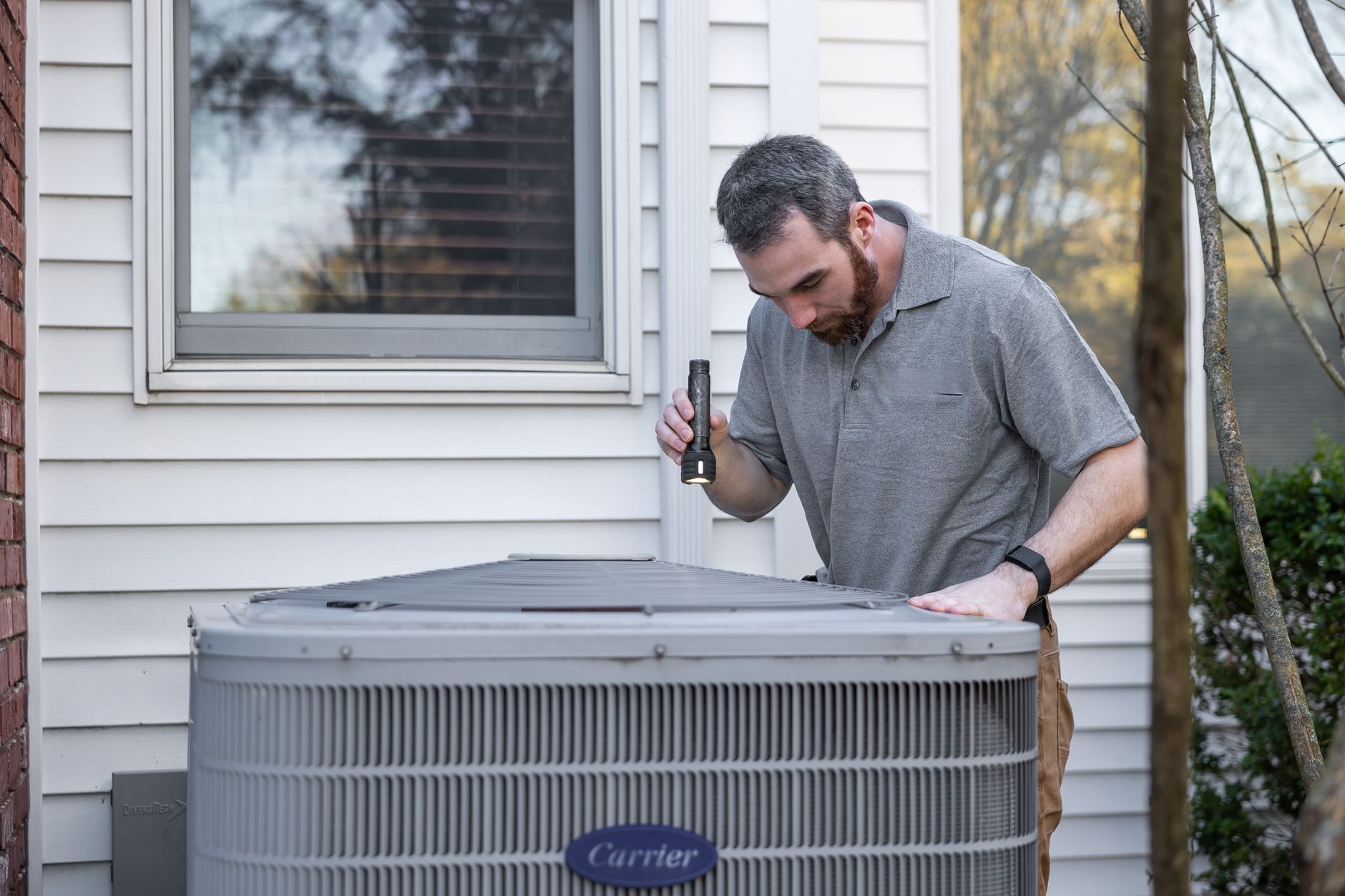
Photo by Kathleen Austin Kuhn on Pexels
Heat Pump Not Heating: Troubleshooting and Repair Guide
Introduction to Heat Pump Issues
If your heat pump is not heating, it can be a frustrating and uncomfortable experience, especially during the cold winter months.
Common Symptoms of a Heat Pump Not Heating
Some common symptoms of a heat pump not heating include lukewarm or cool air blowing from the vents, increased energy bills, and strange noises coming from the unit.
Importance of Addressing the Issue
It’s essential to address the issue promptly to avoid further damage to the system and to ensure your home remains warm and comfortable.
Most Likely Causes of a Heat Pump Not Heating
The most likely causes of a heat pump not heating include a faulty thermostat, low refrigerant levels, clogged air filters, and issues with the compressor or fan motor.
Safe Homeowner Checks
Before calling a professional, there are some safe checks you can perform, such as checking the thermostat settings, ensuring the air filters are clean, and verifying that the circuit breaker hasn’t tripped.
Checks Homeowners Should Not Attempt
However, there are certain checks that homeowners should not attempt, such as handling refrigerant, opening sealed refrigeration systems, or working on live high-voltage circuits.
How an HVAC Technician Diagnoses the Issue
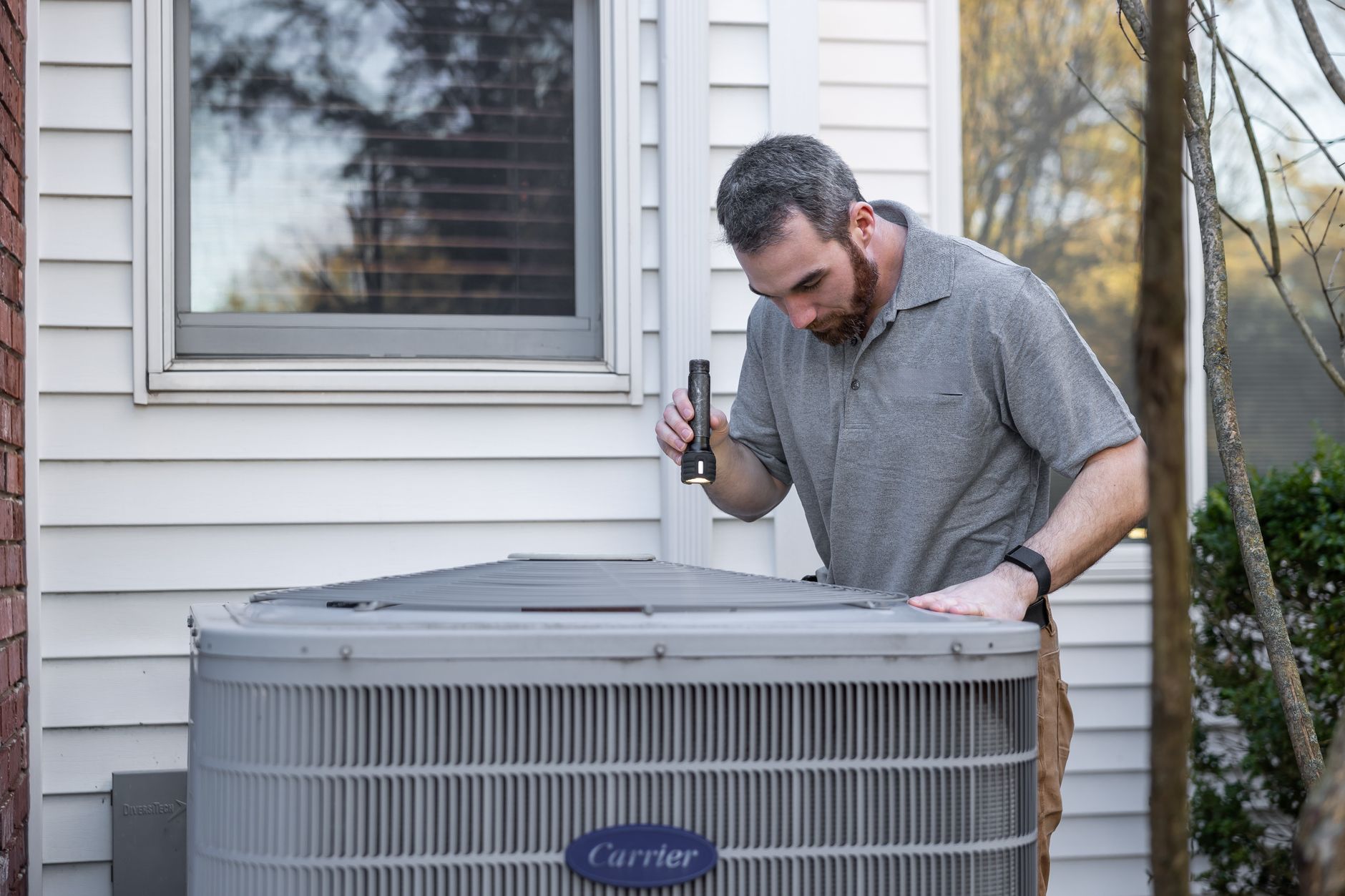
A qualified HVAC technician will normally test the system’s electrical components, inspect the refrigerant levels, and check for any blockages in the air ducts.
Typical Professional Repair Process
The repair process typically involves repairing or replacing the faulty component, cleaning and adjusting the system as needed, and ensuring that the system is functioning properly.
Repair versus Replacement Guidance
In some cases, it may be more cost-effective to replace the heat pump rather than repair it, especially if the system is old or has undergone frequent repairs.
Prevention and Maintenance Checklist
To prevent future issues, it’s essential to maintain your heat pump regularly, including scheduling annual inspections, cleaning the air filters, and ensuring proper airflow.
Urgency and Emergency Warning Signs
If you notice any emergency warning signs, such as a gas smell, smoke, or carbon monoxide alarm, stop the system immediately, leave the area, and contact emergency services or a qualified technician.
Frequently Asked Questions
- Q: Why is my heat pump not heating?
A: There are several reasons why your heat pump may not be heating, including a faulty thermostat, low refrigerant levels, or issues with the compressor or fan motor. - Q: Can I repair my heat pump myself?
A: While there are some safe checks you can perform, it’s generally recommended to hire a professional HVAC technician to diagnose and repair the issue. - Q: How much does it cost to repair a heat pump?
A: The cost of repair depends on the type of repair needed, the age and condition of the system, and local labor rates. - Q: Can I replace my heat pump myself?
A: No, it’s not recommended to replace a heat pump yourself, as it requires specialized knowledge and equipment. - Q: How often should I maintain my heat pump?
A: It’s recommended to schedule annual inspections and maintenance to ensure your heat pump is functioning properly and efficiently. - Q: What are the benefits of regular heat pump maintenance?
A: Regular maintenance can help extend the lifespan of your heat pump, improve its efficiency, and prevent future issues.


Leave a Reply