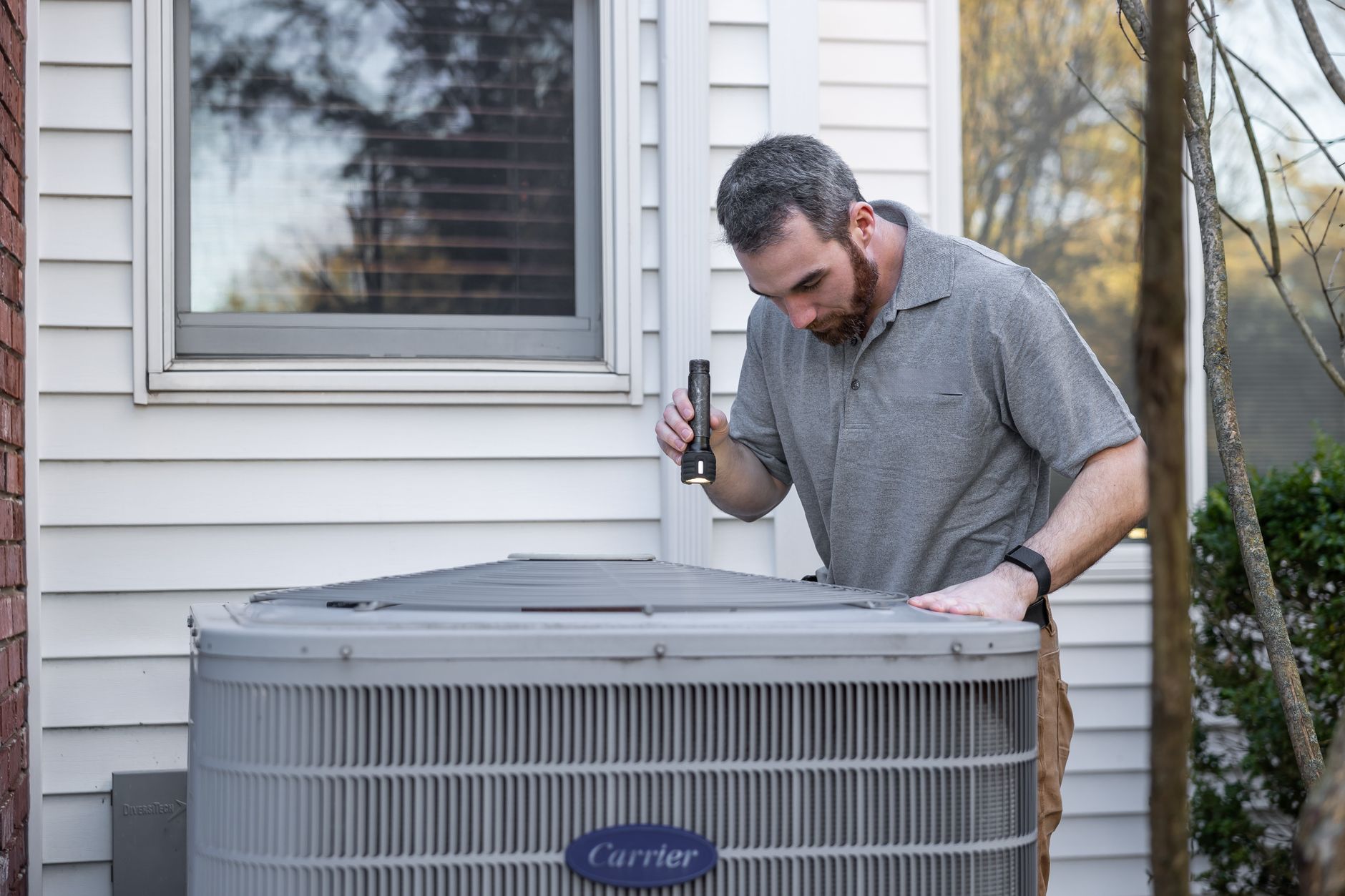
Photo by Kathleen Austin Kuhn on Pexels
Heat Pump Not Cooling: A Comprehensive Guide
Introduction to Heat Pump Issues
If your heat pump is not cooling, it can be a frustrating and uncomfortable experience, especially during the hot summer months.
Common Symptoms of a Heat Pump Not Cooling
Some common symptoms of a heat pump not cooling include lukewarm air, reduced airflow, and increased energy bills.
Understanding the Importance of Proper Functioning
A properly functioning heat pump is crucial for maintaining a comfortable indoor temperature and humidity level.
Most Likely Causes of a Heat Pump Not Cooling
The most likely causes of a heat pump not cooling include refrigerant leaks, dirty air filters, and faulty thermostats.
Safe Homeowner Checks
Before calling a technician, homeowners can perform some safe checks, such as checking the thermostat settings, air filter condition, and ensuring proper airflow.
Checks Homeowners Should Not Attempt
However, there are certain checks that homeowners should not attempt, such as handling refrigerant, opening sealed refrigeration systems, or working on live high-voltage circuits.
How an HVAC Technician Diagnoses the Issue
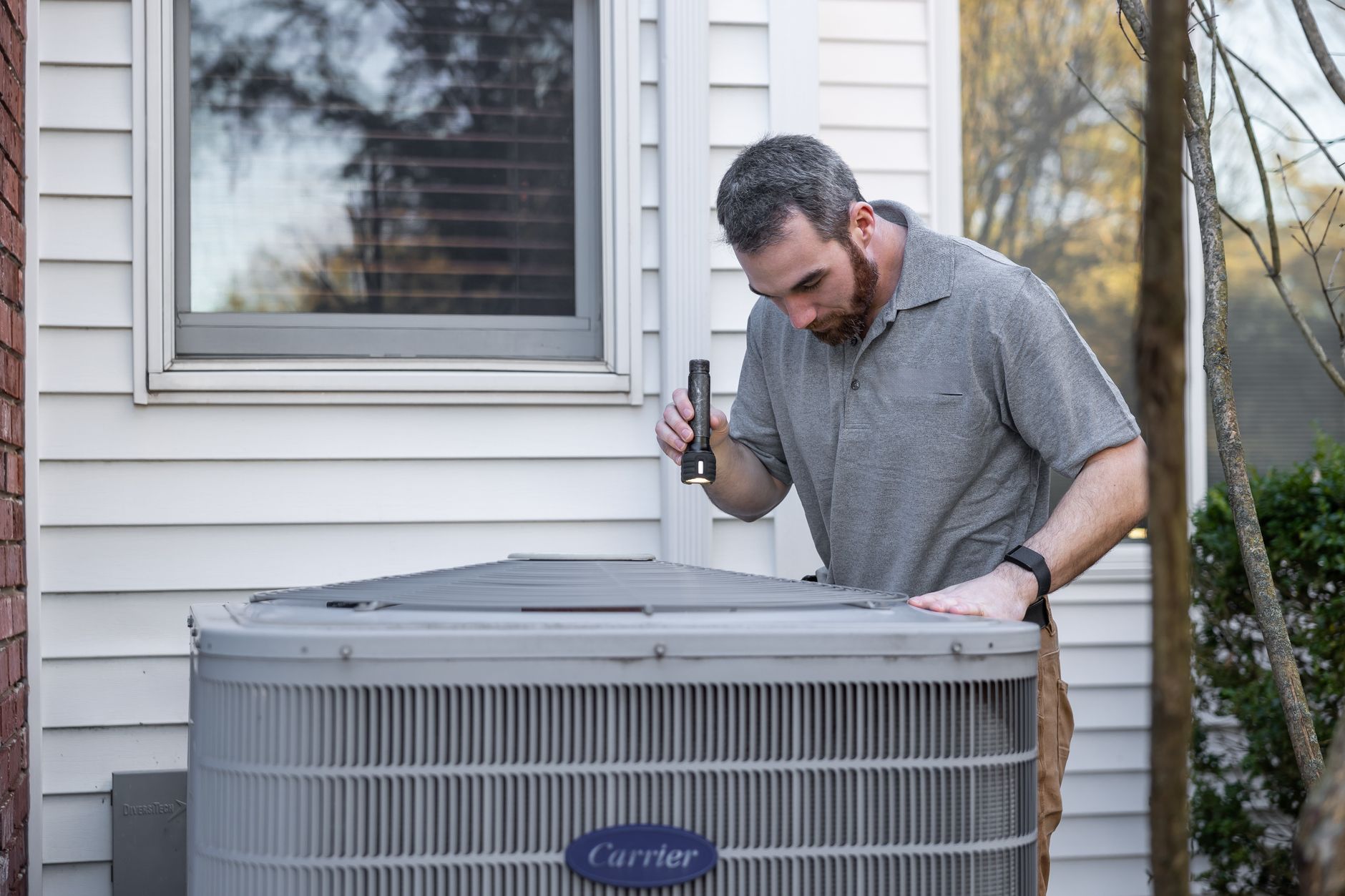
A qualified HVAC technician will typically perform a series of tests, including checking the refrigerant level, inspecting the air filter, and examining the thermostat and electrical connections.
Typical Professional Repair Process
The repair process may involve cleaning or replacing the air filter, repairing or replacing the thermostat, and recharging the refrigerant.
Repair versus Replacement Guidance
When deciding between repair and replacement, homeowners should consider the age and condition of the heat pump, as well as the cost of repairs versus the cost of a new system.
Prevention and Maintenance Checklist
To prevent future issues, homeowners can perform regular maintenance tasks, such as changing the air filter, inspecting the thermostat, and scheduling annual tune-ups.
Urgency and Emergency Warning Signs
If homeowners notice any urgent or emergency warning signs, such as a gas smell, smoke, or carbon monoxide alarm, they should stop the system, leave the area, and contact emergency services or a qualified technician.
Frequently Asked Questions
- What are the most common causes of a heat pump not cooling?
- How can I troubleshoot a heat pump not cooling issue?
- What are the benefits of regular maintenance for my heat pump?
- How can I prevent future heat pump issues?
- What are the warning signs of a heat pump that needs to be replaced?
- How can I find a qualified HVAC technician to repair my heat pump?


Leave a Reply