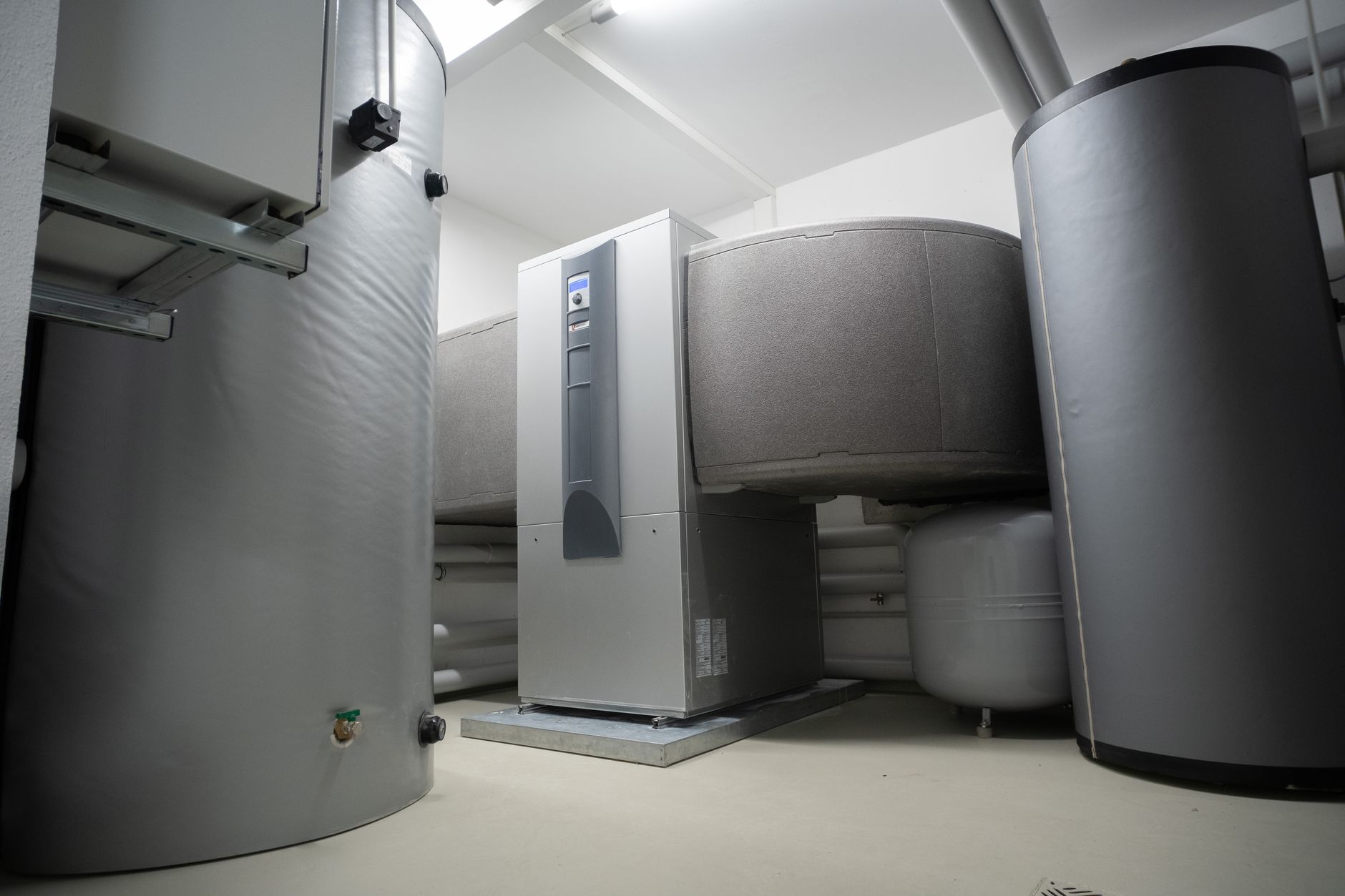
Photo by alpha innotec on Pexels
Direct Answer: Why Is My Heat Pump Icing?
Your heat pump is icing due to a combination of factors including low outdoor temperatures, high humidity, restricted airflow, and potential issues with the system itself such as refrigerant leaks or faulty defrost cycles.
Likely Causes and Safe Checks
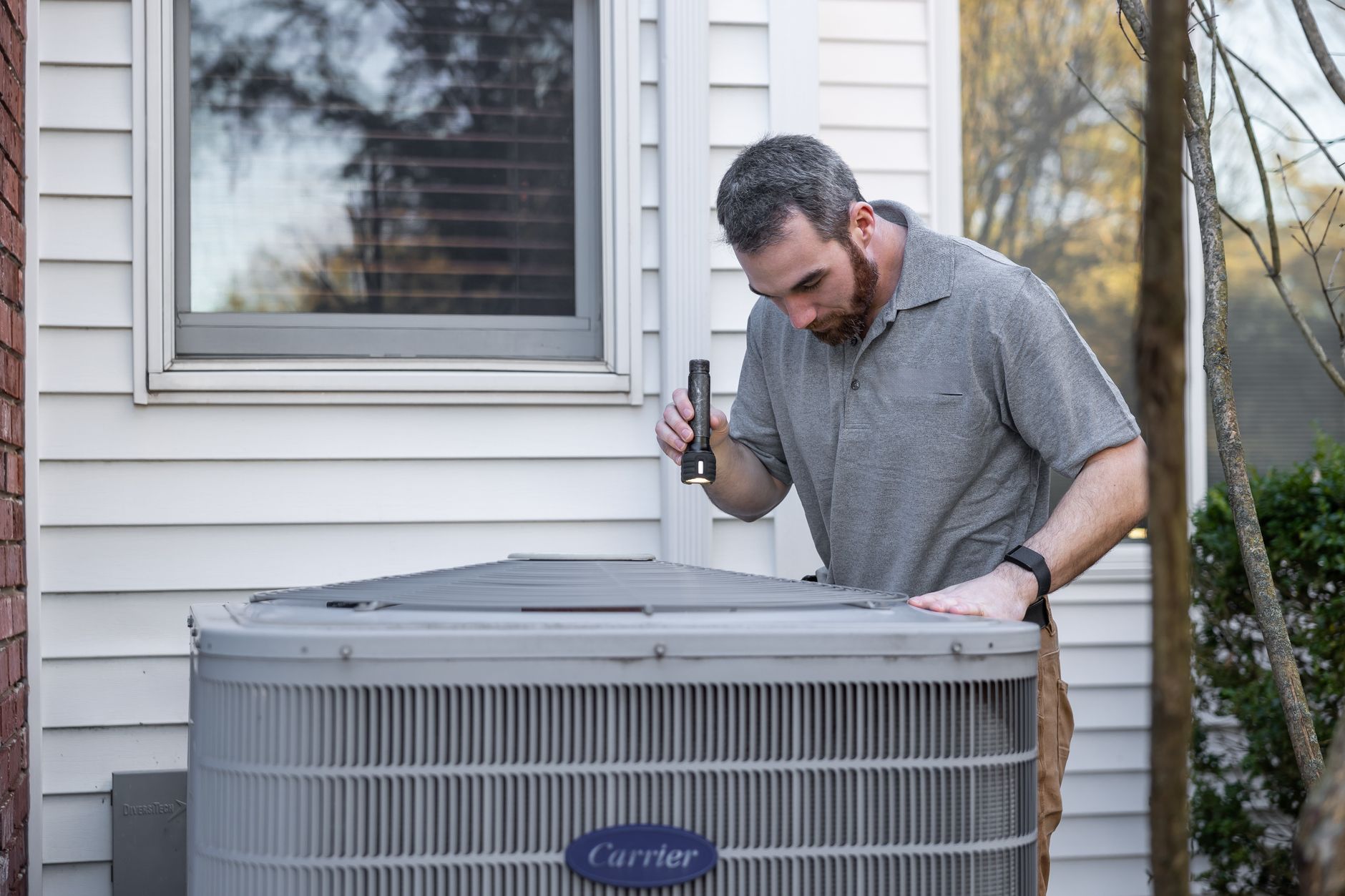
Homeowners can safely inspect the outdoor unit for blockages, ensure proper airflow around the unit, and check the thermostat settings. However, any work involving electrical components, refrigerant, or internal system repairs should be left to a licensed technician.
Danger Signs: When to Call a Technician
If you notice severe icing, a significant drop in heating performance, or any signs of damage, it’s crucial to contact a professional. Never attempt to fix issues involving electrical or gas components yourself.
Prevention: Regular Maintenance
Regular maintenance by a licensed technician can help prevent icing issues by ensuring the system operates efficiently and effectively. This includes cleaning the outdoor coil, checking refrigerant levels, and verifying the defrost cycle is functioning correctly.
Final Takeaway
While some checks can be safely performed by homeowners, diagnosing and fixing heat pump icing often requires professional expertise. Prioritize your safety and the efficiency of your heating system by knowing when to seek help.
Safety First: No-Heat Emergency
In cases of suspected carbon monoxide leakage, gas smell, or severe electrical issues, turn off the system, leave the area, and contact emergency services or a licensed professional immediately.
Conclusion
Understanding the causes of heat pump icing and taking appropriate, safe actions can help homeowners address the issue effectively and ensure a warm and safe home environment.
Frequently Asked Questions
Why is my heat pump icing over in winter?
Heat pump icing in winter can be due to low temperatures, high humidity, restricted airflow, or system issues like refrigerant leaks or faulty defrost cycles.
Can I fix a heat pump icing issue myself?
While you can safely check for blockages and ensure proper thermostat settings, any internal repairs or work involving electrical or refrigerant systems should be done by a licensed technician.
How can I prevent heat pump icing?
Regular maintenance by a licensed technician, including cleaning the outdoor coil and checking refrigerant levels, can help prevent icing issues and ensure efficient heating performance.
What are the danger signs that I need to call a technician?
Significant icing, a drop in heating performance, or signs of damage are indicators that you should contact a professional. Additionally, any suspected safety issues like carbon monoxide leakage or electrical problems require immediate attention.


Leave a Reply