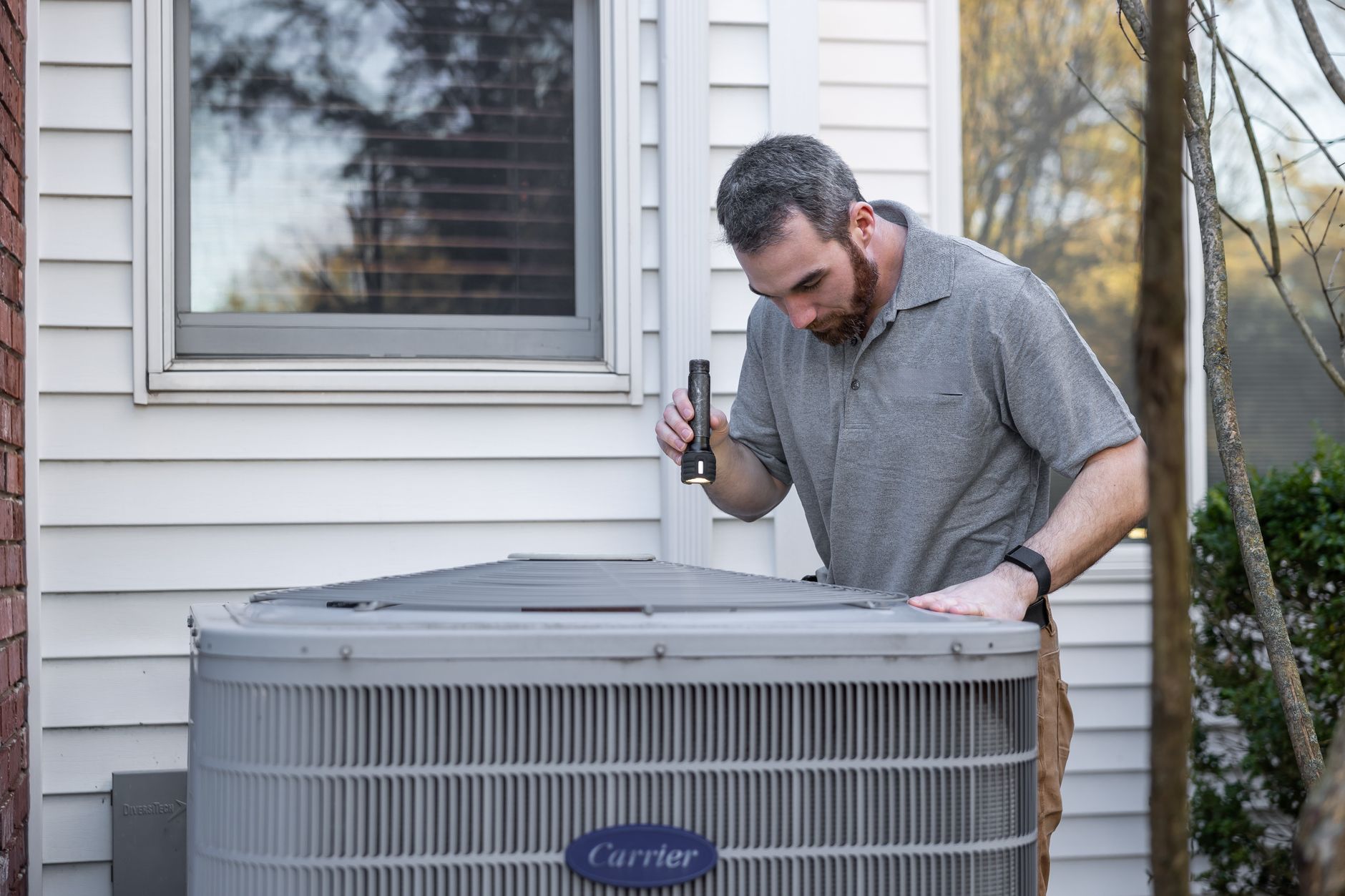
Photo by Kathleen Austin Kuhn on Pexels
Gas Smell Near Furnace: A Comprehensive Troubleshooting and Repair Guide
Introduction to Gas Smell Near Furnace
If you notice a gas smell near your furnace, it’s essential to take immediate action to ensure your safety. This guide will walk you through the common symptoms, likely causes, safe homeowner checks, and when to call a professional.
Common Symptoms
A gas smell near the furnace can be accompanied by other symptoms, such as a hissing sound, a burning odor, or a carbon monoxide alarm. If you experience any of these symptoms, stop the system and leave the area.
Most Likely Causes
The most likely causes of a gas smell near the furnace include a gas leak, faulty thermostat, or issues with the furnace’s combustion system.
Gas Leak
A gas leak can occur due to a cracked heat exchanger, loose connections, or a faulty gas valve.
Faulty Thermostat
A faulty thermostat can cause the furnace to malfunction, leading to a gas smell.
Safe Homeowner Checks
As a homeowner, you can perform some safe checks to identify the issue. Check the furnace’s filter, ensure proper ventilation, and inspect the furnace’s exterior for any signs of damage or wear.
Checks Homeowners Should Not Attempt
Do not attempt to handle refrigerant, open sealed refrigeration systems, bypass safety controls, work on live high-voltage circuits, replace capacitors, repair gas valves, adjust combustion, or disable breakers and safety switches. These tasks require professional expertise and can be hazardous if not performed correctly.
How an HVAC Technician Diagnoses the Issue
An HVAC technician will typically inspect the furnace, thermostat, and ventilation system to diagnose the issue. They may use specialized tools, such as a gas detector, to identify any gas leaks.
Typical Professional Repair Process
The repair process will depend on the cause of the issue. If a gas leak is detected, the technician will need to repair or replace the faulty component. If the thermostat is faulty, it may need to be replaced.
Repair versus Replacement Guidance
When deciding between repair and replacement, consider the age and condition of the furnace, as well as the cost of the repair. If the furnace is old or the repair is expensive, it may be more cost-effective to replace it.
Prevention and Maintenance Checklist
To prevent future issues, ensure regular maintenance of your furnace, including filter replacement, cleaning, and inspections. Additionally, consider installing a carbon monoxide detector to alert you to any potential dangers.
Urgency and Emergency Warning Signs
If you experience any of the following warning signs, stop the system and contact emergency services or a qualified technician: gas smell, smoke, burning odor, carbon monoxide alarm, sparking, repeated breaker trips, or severe overheating.
Frequently Asked Questions
- What is the most common cause of a gas smell near the furnace?
- How can I prevent a gas leak in my furnace?
- Can I repair a gas leak myself?
- What are the symptoms of a faulty thermostat?
- How often should I replace my furnace’s filter?
- What is the average cost of repairing a gas leak in a furnace?


Leave a Reply