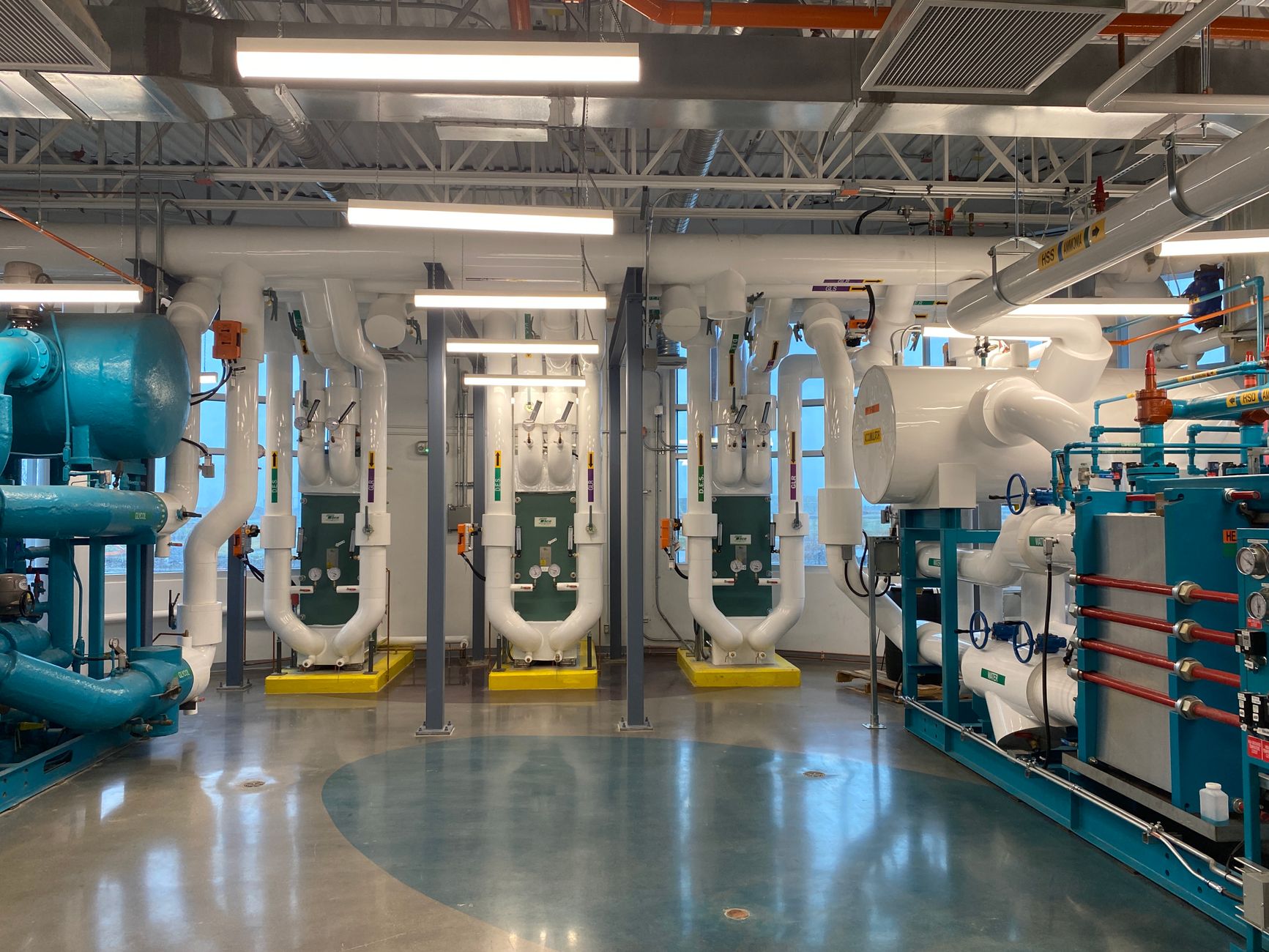
Photo by namrata kotak on Pexels
Direct Answer to Cold Rooms
If your gas furnace is running but some rooms remain cold, it could be due to inadequate insulation, blocked air vents, or a malfunctioning thermostat.
Likely Causes of Cold Rooms
Several factors can contribute to cold rooms, including poor airflow, insufficient furnace sizing, and leaky ducts.
Safe Checks for Homeowners
Check your thermostat settings, ensure air vents are not blocked, and inspect your home for adequate insulation.
Danger Signs Requiring Professional Help
If you notice a gas smell, suspect carbon monoxide, or see smoke, leave the area and contact emergency services or a licensed professional immediately.
When to Call a Technician
For complex issues like faulty thermostats or leaking ducts, it’s best to consult a heating technician to avoid safety risks and ensure efficient heating.
Prevention and Maintenance
Regularly maintain your furnace, inspect your home’s insulation, and ensure proper airflow to prevent cold rooms and maintain a warm, safe home.
Final Takeaway
Identifying and addressing the causes of cold rooms can help you enjoy a warmer, more comfortable home while ensuring your safety with your gas furnace.
Frequently Asked Questions
Why are some rooms colder than others with the furnace on?
This can be due to inadequate insulation, blocked air vents, or a malfunctioning thermostat.
What are the first steps to troubleshoot cold rooms?
Check your thermostat settings, ensure air vents are not blocked, and inspect your home for adequate insulation.
When should I call a heating technician?
For complex issues like faulty thermostats or leaking ducts, it's best to consult a heating technician to avoid safety risks and ensure efficient heating.
What are danger signs that require immediate professional help?
If you notice a gas smell, suspect carbon monoxide, or see smoke, leave the area and contact emergency services or a licensed professional immediately.


Leave a Reply