Photo by Kathleen Austin Kuhn on Pexels
Furnace Pilot Light Troubleshooting and Repair Guide
Introduction to Furnace Pilot Light Issues
If your furnace pilot light is failing to ignite or stay lit, it can be a frustrating and potentially dangerous issue. The pilot light is a critical component of your furnace, responsible for igniting the gas that heats your home. In this guide, we will walk you through the common symptoms, likely causes, safe homeowner checks, and professional repair processes to help you get your furnace up and running safely.
Common Symptoms of Furnace Pilot Light Problems
The most obvious symptom of a furnace pilot light issue is a pilot light that won’t stay lit or won’t ignite at all. Other symptoms may include a furnace that won’t turn on, a furnace that produces a clicking or grinding noise, or a furnace that is producing a strong gas smell.
Safety Warning
If you suspect a gas leak or smell gas, turn off the furnace immediately and leave the area. Contact your gas utility company or a qualified HVAC technician for assistance.
Most Likely Causes of Furnace Pilot Light Issues
The most common causes of furnace pilot light issues include a faulty thermocouple, a dirty or clogged pilot orifice, a faulty ignition system, or a problem with the gas supply.
Safe Homeowner Checks
Before calling a professional, there are a few safe checks you can perform to troubleshoot the issue. Check the pilot light to ensure it is clean and free of debris. Check the thermocouple to ensure it is securely connected to the pilot light. Check the gas supply to ensure it is turned on and functioning properly.
Checks Homeowners Should Not Attempt
There are several checks and repairs that homeowners should not attempt, as they can be dangerous or require specialized training. These include handling refrigerant, opening sealed refrigeration systems, bypassing safety controls, working on live high-voltage circuits, replacing capacitors, repairing gas valves, adjusting combustion, or disabling breakers and safety switches.
How an HVAC Technician Diagnoses the Issue
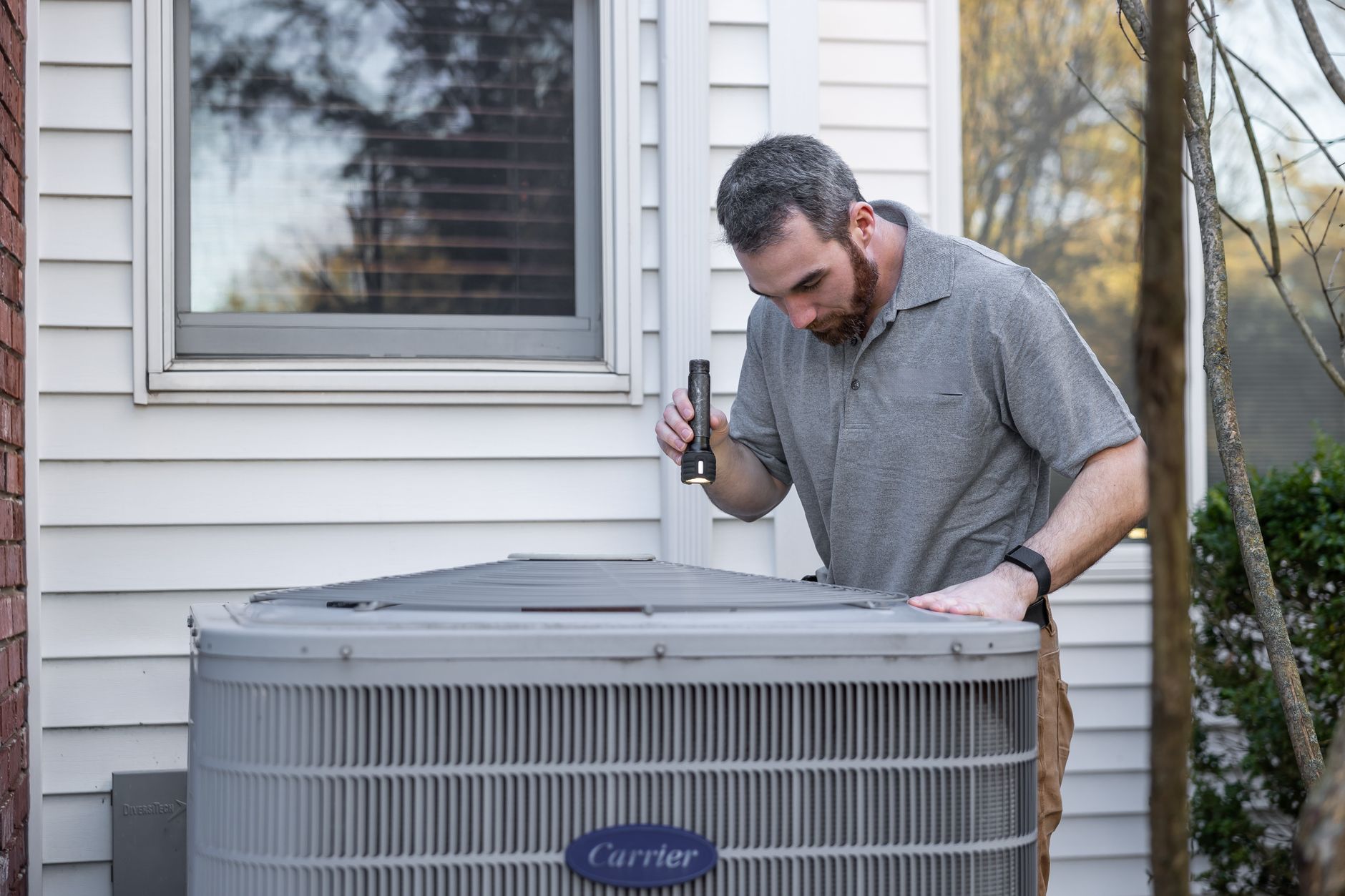
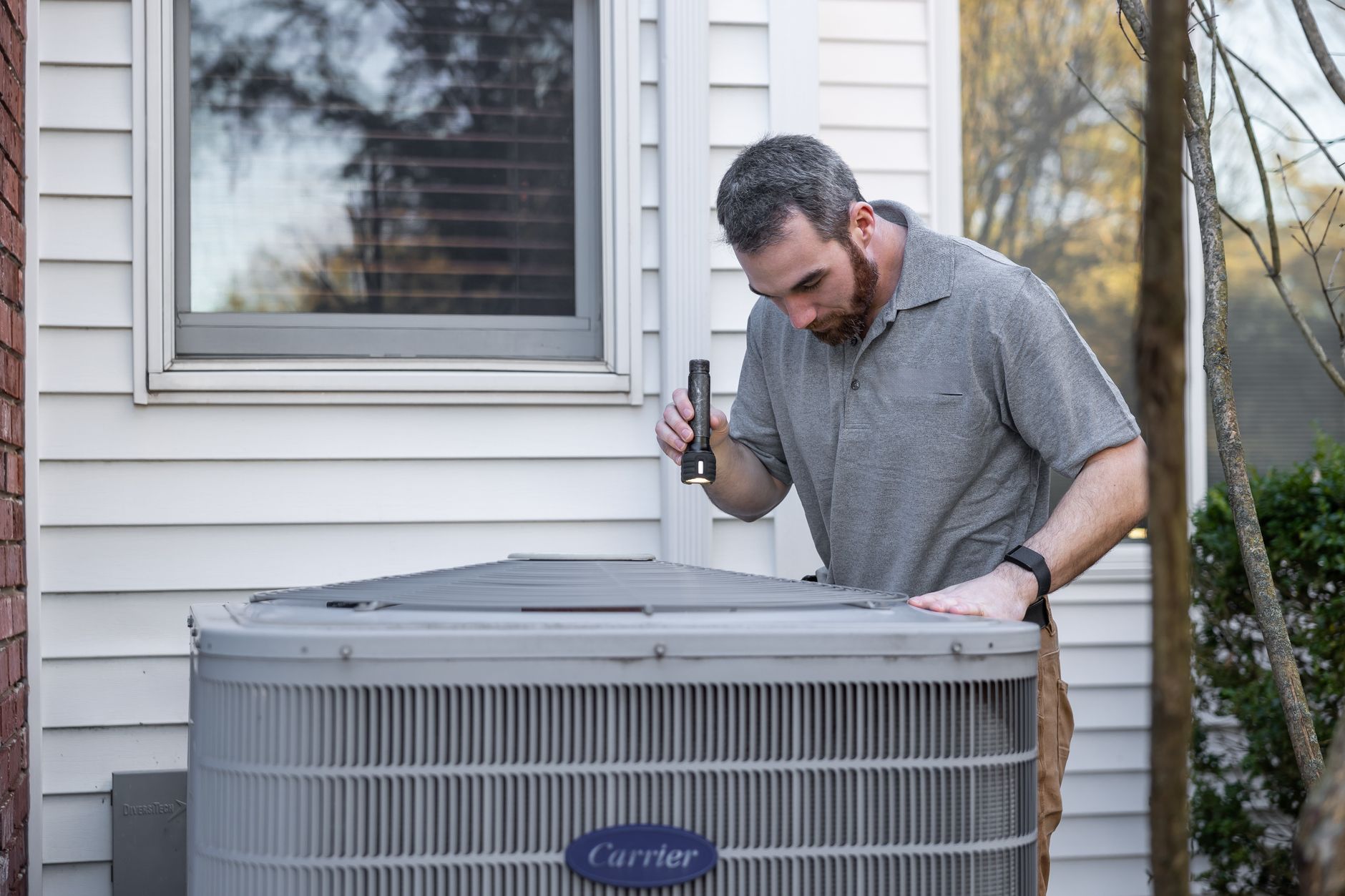
A qualified HVAC technician will begin by inspecting the pilot light and ignition system to identify any signs of wear or damage. They will then use specialized tools to test the thermocouple, ignition system, and gas supply. They may also perform a series of safety checks to ensure the furnace is functioning properly and safely.
Typical Professional Repair Process
The repair process will depend on the specific cause of the issue. If the problem is with the thermocouple, the technician may replace it with a new one. If the issue is with the pilot orifice, the technician may clean or replace it. If the problem is with the ignition system, the technician may replace the ignition module or other components as needed.
Repair versus Replacement Guidance
In some cases, it may be more cost-effective to replace the furnace rather than repair it. This is especially true if the furnace is old or has required frequent repairs in the past. A qualified HVAC technician can help you determine the best course of action based on the age and condition of your furnace, as well as your budget and needs.
Prevention and Maintenance Checklist
To prevent future furnace pilot light issues, it is essential to perform regular maintenance on your furnace. This includes having your furnace inspected and serviced annually, cleaning the pilot light and ignition system regularly, and ensuring the gas supply is functioning properly.
Urgency and Emergency Warning Signs
If you notice any of the following warning signs, it is essential to take immediate action: a strong gas smell, a carbon monoxide alarm, sparking or arcing, repeated breaker trips, or severe overheating. Turn off the furnace and leave the area, and contact your gas utility company or a qualified HVAC technician for assistance.
Frequently Asked Questions
Q: What is the most common cause of furnace pilot light issues?
A: The most common cause of furnace pilot light issues is a faulty thermocouple.
Q: Can I replace the thermocouple myself?
A: No, it is not recommended to attempt to replace the thermocouple yourself, as it can be a complex and potentially dangerous process.
Q: How often should I have my furnace inspected and serviced?
A: It is recommended to have your furnace inspected and serviced annually to prevent future issues and ensure safe and efficient operation.
Q: What are the warning signs of a gas leak?
A: The warning signs of a gas leak include a strong gas smell, a hissing or blowing sound, and a yellow or orange flame.
Q: Can I use a furnace with a faulty pilot light?
A: No, it is not safe to use a furnace with a faulty pilot light, as it can lead to safety issues and potentially cause damage to the furnace or your home.
Q: How much does it cost to repair a furnace pilot light?
A: The cost to repair a furnace pilot light can vary depending on the specific issue and the technician’s labor rate, but it is generally less expensive than replacing the furnace.


Leave a Reply