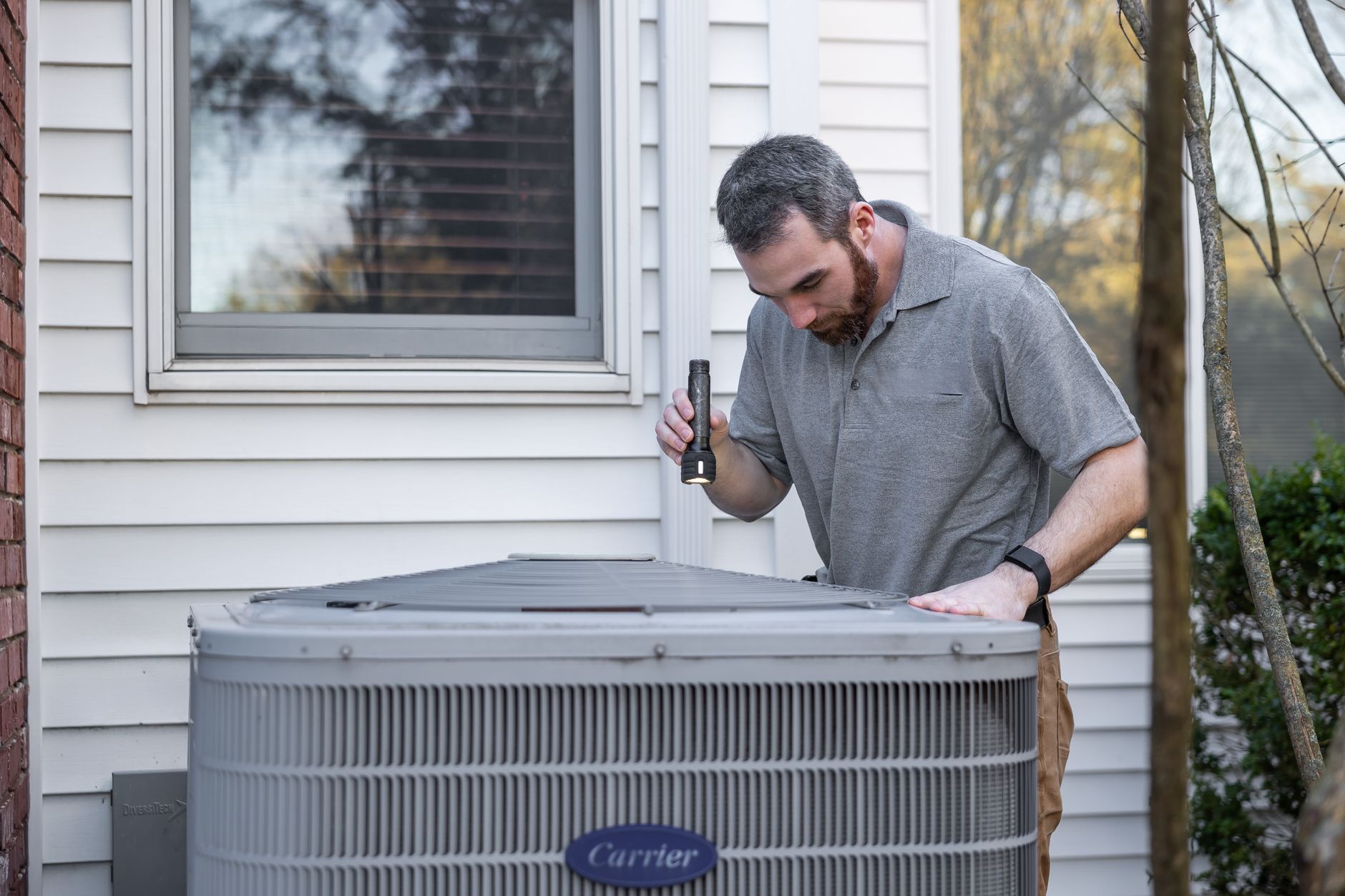
Photo by Kathleen Austin Kuhn on Pexels
Furnace Blowing Cold Air: A Step-by-Step Troubleshooting Guide
Introduction to the Problem
If your furnace is blowing cold air, it can be a frustrating and uncomfortable experience, especially during the cold winter months. Before we dive into the troubleshooting process, it’s essential to emphasize the importance of safety. If you smell gas, notice smoke, or hear a burning odor, stop the system immediately, leave the area, and contact emergency services or a qualified technician.
Common Symptoms
Some common symptoms of a furnace blowing cold air include:
- Cold air blowing from the vents
- Insufficient heat
- Increased energy bills
Most Likely Causes
The most likely causes of a furnace blowing cold air include:
- Thermostat issues
- Airflow problems
- Ignition problems
Thermostat Issues
A malfunctioning thermostat can cause the furnace to blow cold air. Check the thermostat settings and ensure it’s set to the correct temperature.
Airflow Problems
Restricted airflow can cause the furnace to overheat, leading to cold air blowing from the vents. Check the air filters and ensure they’re clean and not clogged.
Safe Homeowner Checks
As a homeowner, you can perform some safe checks to troubleshoot the issue:
- Check the thermostat settings
- Check the air filters
- Check the circuit breaker or fuse box
Checks Homeowners Should Not Attempt
Some checks and repairs should only be performed by a qualified HVAC technician, including:
- Handling refrigerant
- Opening sealed refrigeration systems
- Working on live high-voltage circuits
How an HVAC Technician Diagnoses the Issue
A qualified HVAC technician will perform a series of tests to diagnose the issue, including:
- Checking the thermostat and temperature settings
- Inspecting the air filters and ductwork
- Testing the ignition system
Typical Professional Repair Process
The repair process will depend on the underlying cause of the issue. A qualified HVAC technician may need to:
- Replace the thermostat
- Clean or replace the air filters
- Repair or replace the ignition system
Repair versus Replacement Guidance
In some cases, it may be more cost-effective to replace the furnace rather than repair it. A qualified HVAC technician can provide guidance on the best course of action.
Prevention and Maintenance Checklist
To prevent furnace issues, it’s essential to perform regular maintenance, including:
- Changing the air filters regularly
- Inspecting the ductwork and vents
- Scheduling annual maintenance with a qualified HVAC technician
Urgency and Emergency Warning Signs
If you notice any of the following warning signs, stop the system immediately and contact a qualified technician:
- Gas smell or leak
- Smoke or burning odor
- Carbon monoxide alarm
Frequently Asked Questions
- What are the most common causes of a furnace blowing cold air?
- How can I troubleshoot the issue myself?
- What are the risks of attempting to repair the furnace myself?
- How often should I change the air filters?
- What are the benefits of scheduling annual maintenance with a qualified HVAC technician?
- How can I prevent furnace issues in the future?


Leave a Reply