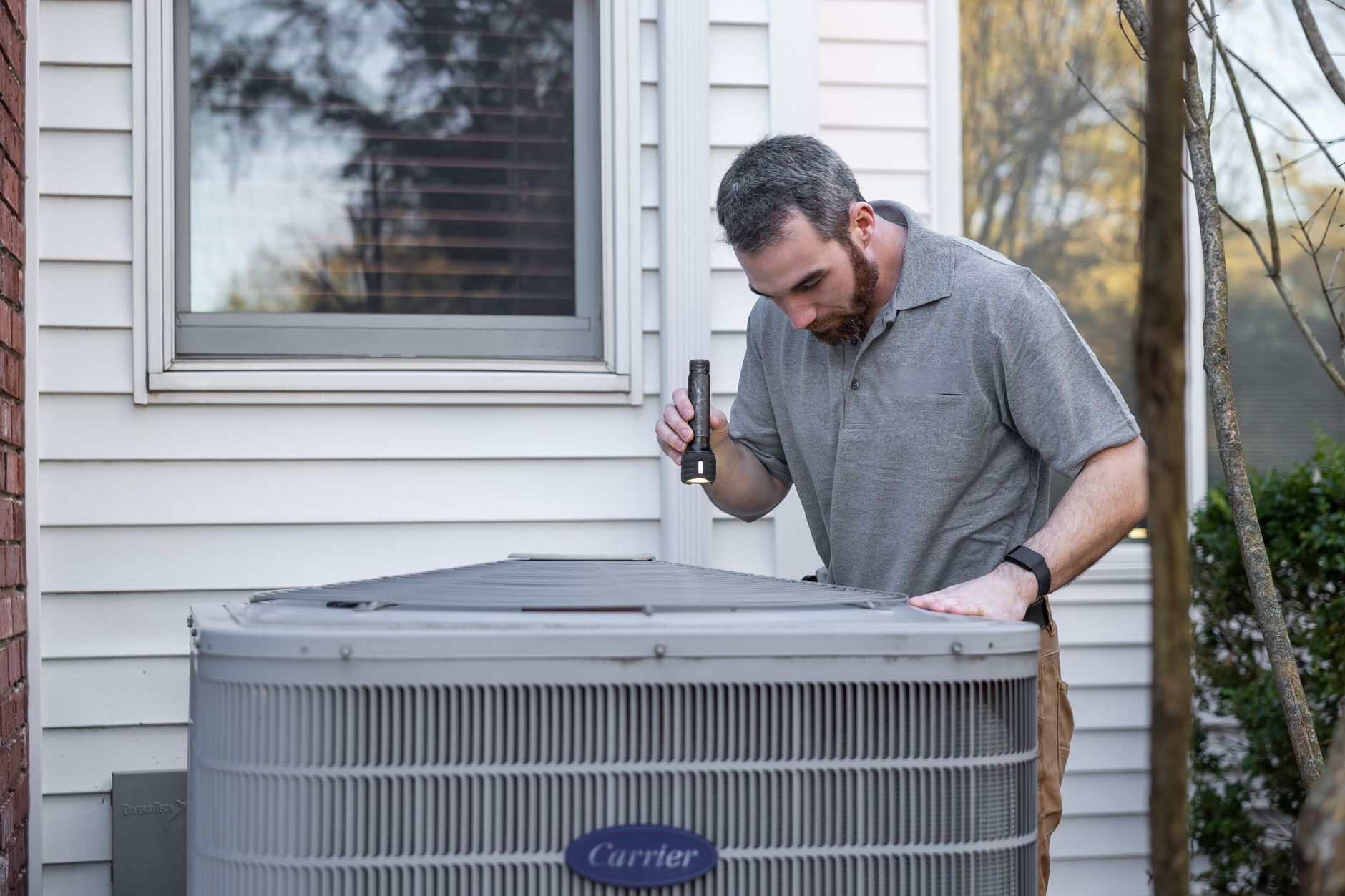
Photo by Kathleen Austin Kuhn on Pexels
Electric Furnace Rattling or Banging Noise: A Homeowner’s Guide to Troubleshooting and Repair
Introduction to the Problem and Safety Warning
If your electric furnace is making a rattling or banging noise, it’s essential to address the issue promptly to avoid further damage and ensure your safety. Before attempting any troubleshooting or repairs, remember to always prioritize your safety: if you smell gas, notice smoke, or hear a burning odor, stop the system immediately, leave the area, and contact emergency services or a qualified HVAC technician.
Common Symptoms of a Noisy Electric Furnace
Rattling, banging, or clanking noises from your electric furnace can be caused by various issues. These noises might be constant or intermittent and can occur when the furnace is operating or when it’s shutting down.
Identifying the Noise
Try to identify the type of noise your furnace is making. Is it a metallic sound, a hissing noise, or a loud bang? This information can be helpful when discussing the issue with an HVAC technician.
Most Likely Causes of the Noise
Several factors can contribute to a noisy electric furnace, including loose or damaged components, worn-out parts, or improper installation. Some common causes include a loose blower motor, a malfunctioning thermostat, or a clogged air filter.
Safe Homeowner Checks
Before calling a professional, you can perform some safe checks to potentially identify or even resolve the issue:
- Check the air filter and replace it if it’s dirty.
- Ensure all vents and grilles are unobstructed.
- Verify that the thermostat is working correctly and adjust the settings if necessary.
Checks Homeowners Should Not Attempt
Certain tasks are best left to qualified HVAC technicians due to safety risks or the need for specialized tools and knowledge. These include:
- Handling or attempting to repair electrical components.
- Working with gas lines or valves.
- Disabling safety controls or breakers.
How an HVAC Technician Diagnoses the Issue
A professional HVAC technician will follow a systematic approach to diagnose the cause of the noise, which may involve:
- Inspecting the furnace and its components for any signs of wear or damage.
- Checking the electrical connections and controls.
- Verifying the proper operation of the blower motor and other moving parts.
Typical Professional Repair Process
Based on the diagnosis, the technician may perform repairs such as replacing worn-out parts, adjusting or cleaning components, or fixing any electrical issues. The goal is to restore the furnace to its normal, quiet operation.
Repair versus Replacement Guidance
The decision to repair or replace your electric furnace depends on several factors, including the age of the system, the cost of the repair, and the overall condition of the furnace. A qualified technician can provide guidance based on your specific situation.
Prevention and Maintenance Checklist
Regular maintenance is key to preventing many common issues, including noisy operation. Ensure you:
- Schedule annual furnace inspections with a professional.
- Replace the air filter as recommended by the manufacturer.
- Keep the area around the furnace clean and clear of clutter.
Urgency and Emergency Warning Signs
While a rattling or banging noise might not seem urgent, certain situations require immediate attention. If you notice any of the following, stop the system and seek help:
- A strong gas smell.
- Smoke or signs of burning.
- A carbon monoxide alarm sounding.
Frequently Asked Questions
- Q: Why is my electric furnace making a rattling noise?
A: The noise could be due to a loose part, a malfunctioning thermostat, or a clogged air filter. - Q: Can I fix the noise myself?
A: While some simple checks can be done by homeowners, complex repairs should be left to a qualified HVAC technician. - Q: How often should I maintain my electric furnace?
A: Annual inspections by a professional, along with regular filter replacements, can help prevent issues. - Q: What if I smell gas?
A: Immediately stop the system, leave the area, and contact emergency services or a qualified technician. - Q: Can a noisy furnace lead to more serious problems?
A: Yes, ignoring the issue can lead to further damage, safety risks, or increased energy bills. - Q: How do I find a reliable HVAC technician?
A: Look for technicians with proper certification, good reviews, and experience with electric furnaces.


Leave a Reply