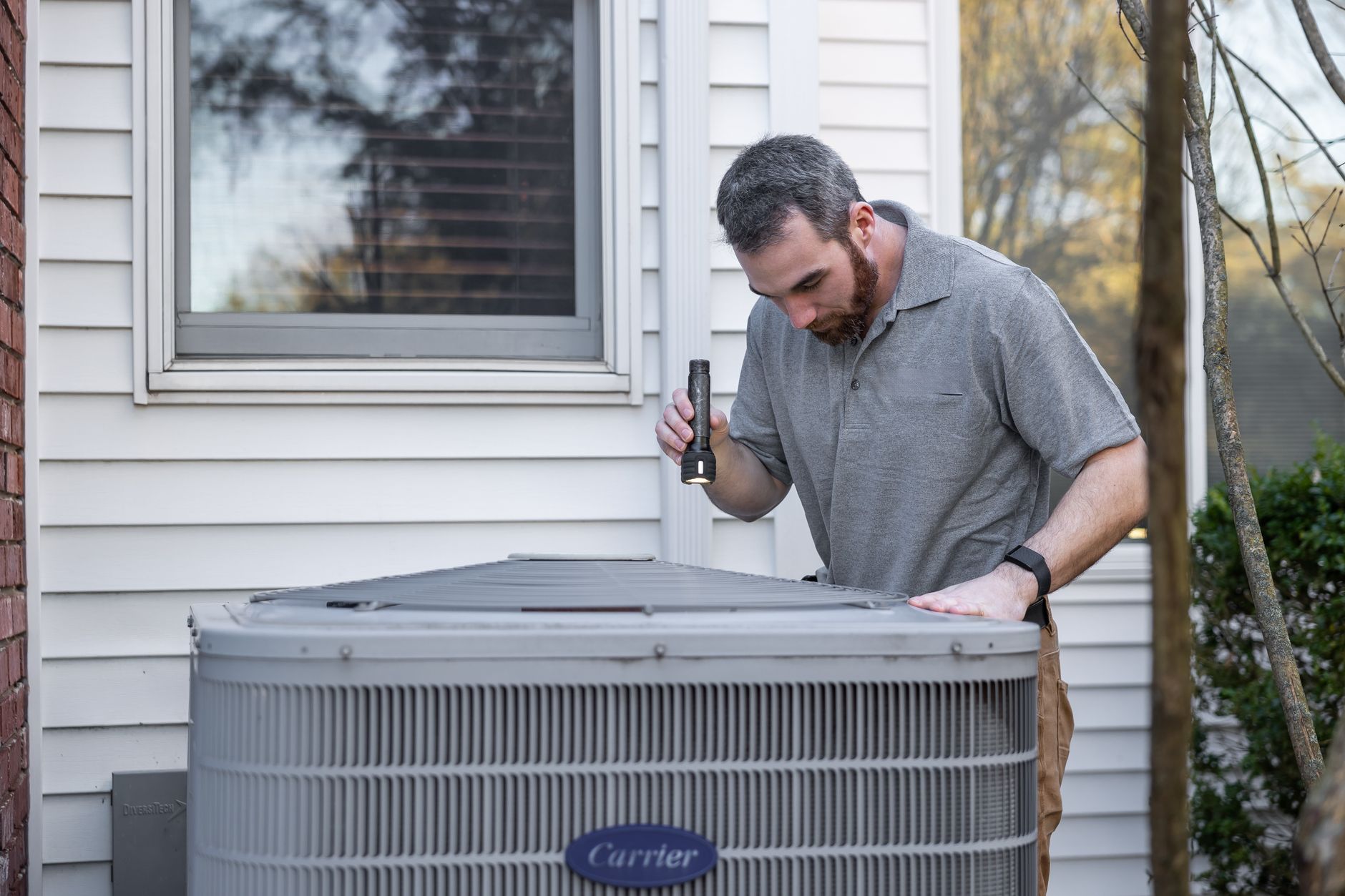
Photo by Kathleen Austin Kuhn on Pexels
Ductless Mini Split Won’t Turn On: Troubleshooting and Repair Guide
Introduction to Ductless Mini Split Problems
If your ductless mini split HVAC system won’t turn on, it can be a frustrating and potentially costly issue. Before attempting any repairs, it’s essential to prioritize your safety.
Important Safety Warning
Never attempt to handle refrigerant, open sealed refrigeration systems, bypass safety controls, work on live high-voltage circuits, replace capacitors, repair gas valves, adjust combustion, or disable breakers and safety switches. If you smell gas, smoke, or a burning odor, or if your carbon monoxide alarm goes off, stop the system, leave the area, and contact emergency services or a qualified technician.
Common Symptoms of a Ductless Mini Split Not Turning On
Some common symptoms of a ductless mini split not turning on include:
- No power to the system
- Display panel not functioning
- No airflow from the vents
- Strange noises or vibrations
Most Likely Causes of a Ductless Mini Split Not Turning On
The most likely causes of a ductless mini split not turning on include:
- Power issues, such as a tripped breaker or blown fuse
- Thermostat problems, such as a faulty sensor or incorrect settings
- Airflow problems, such as clogged air filters or blocked vents
- Refrigerant leaks or low refrigerant levels
Safe Homeowner Checks
Before calling a technician, you can perform some safe checks to troubleshoot the issue:
- Check the power cord and plug for damage or loose connections
- Verify that the thermostat is set correctly and the batteries are not dead
- Check the air filters for cleanliness and replace them if necessary
- Ensure that the vents are not blocked by furniture or other objects
Checks Homeowners Should Not Attempt
Some checks and repairs are best left to a qualified HVAC technician, including:
- Handling refrigerant or opening sealed refrigeration systems
- Working on live high-voltage circuits or replacing capacitors
- Repairing gas valves or adjusting combustion
- Disabling breakers and safety switches
How an HVAC Technician Diagnoses the Issue
A qualified HVAC technician will typically perform the following steps to diagnose the issue:
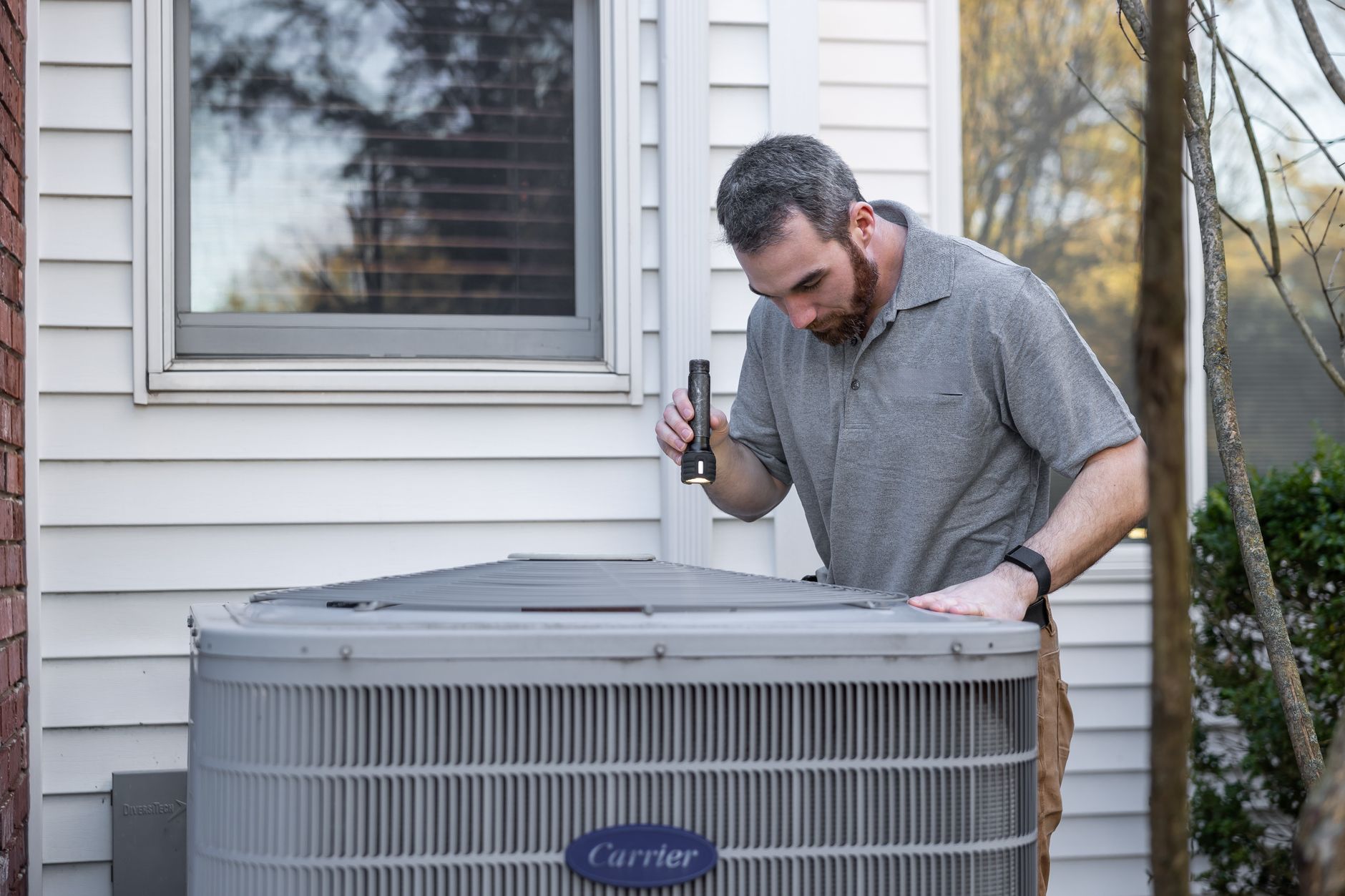
- Conduct a visual inspection of the system and its components
- Check the power supply and electrical connections
- Verify the thermostat settings and functionality
- Inspect the air filters and vents for blockages or damage
- Check the refrigerant levels and look for signs of leaks
Typical Professional Repair Process
The repair process will depend on the specific issue, but may include:
- Replacing faulty components, such as the thermostat or compressor
- Recharging the refrigerant or repairing leaks
- Cleaning or replacing the air filters and vents
- Adjusting or replacing the electrical connections
Repair vs. Replacement Guidance
In some cases, it may be more cost-effective to replace the entire system rather than repairing it. A qualified technician can help you determine the best course of action based on factors such as:
- The age and condition of the system
- The cost of repairs versus replacement
- The energy efficiency and performance of the system
Prevention and Maintenance Checklist
To prevent future issues and ensure optimal performance, be sure to:
- Regularly clean and replace the air filters
- Inspect the vents and ducts for blockages or damage
- Check the thermostat settings and functionality
- Schedule annual maintenance with a qualified technician
Urgency and Emergency Warning Signs
If you notice any of the following warning signs, it’s essential to stop the system and contact a qualified technician or emergency services:
- A gas smell or smoke
- A burning odor or carbon monoxide alarm
- Sparking or repeated breaker trips
- Severe overheating or vibration
Frequently Asked Questions
Here are some common questions and answers about ductless mini split troubleshooting and repair:
- Q: Why won’t my ductless mini split turn on?
A: There could be several reasons, including power issues, thermostat problems, or refrigerant leaks. - Q: Can I repair my ductless mini split myself?
A: Some minor issues can be safely addressed by homeowners, but more complex problems require a qualified technician. - Q: How often should I maintain my ductless mini split?
A: Regular maintenance, such as cleaning the air filters and inspecting the vents, can help prevent issues and ensure optimal performance. - Q: What are the most common causes of ductless mini split failure?
A: Power issues, thermostat problems, and refrigerant leaks are among the most common causes of ductless mini split failure. - Q: Can I replace my ductless mini split myself?
A: It’s not recommended to attempt to replace a ductless mini split yourself, as it requires specialized knowledge and equipment. - Q: How much does it cost to repair a ductless mini split?
A: The cost of repair will depend on the specific issue, the age and condition of the system, and the labor rates of the technician.


Leave a Reply