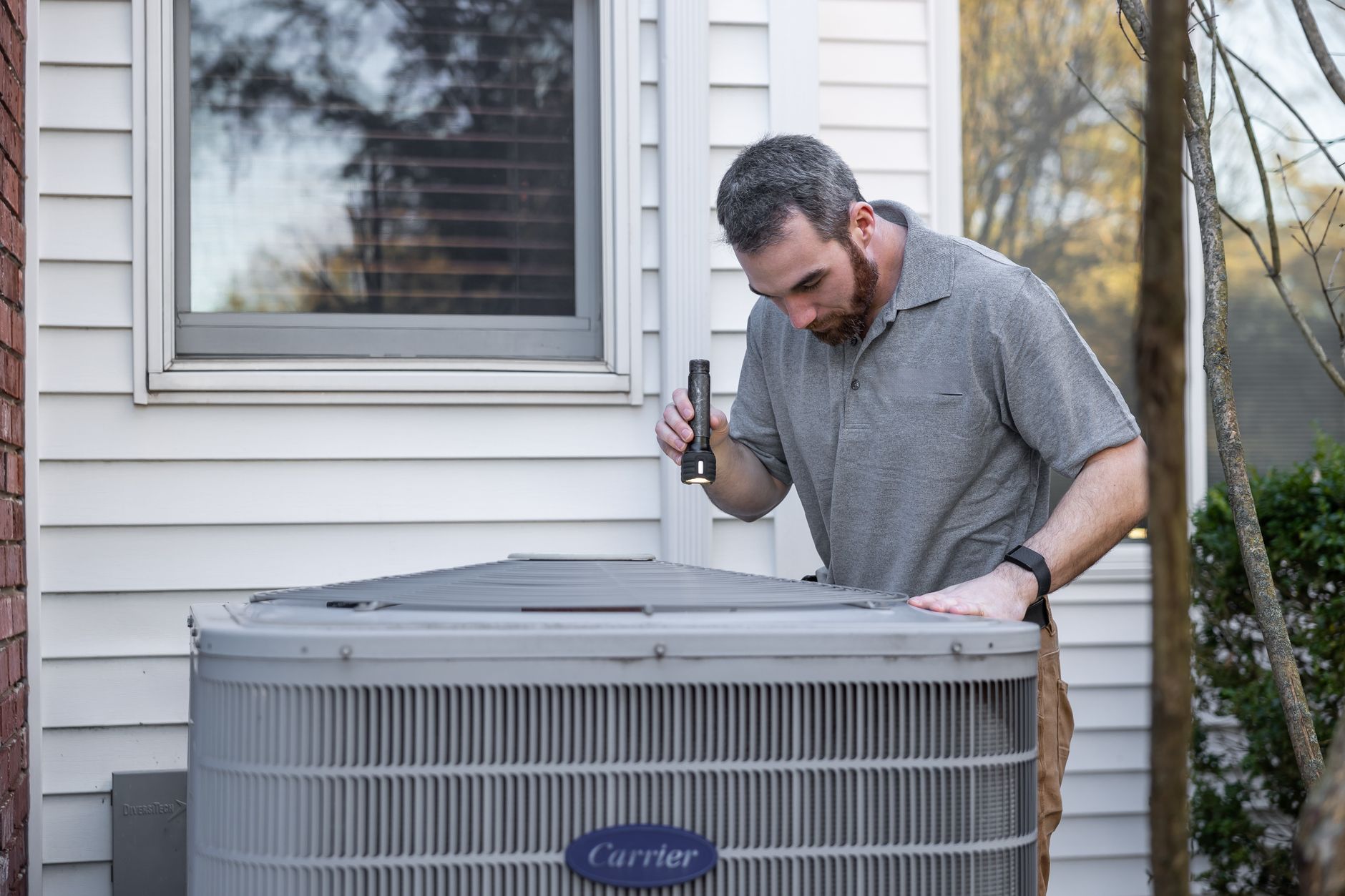
Photo by Kathleen Austin Kuhn on Pexels
Ductless Mini Split Icing Up: A Comprehensive Guide
Introduction to the Problem
The ductless mini split system is a popular choice for heating and cooling homes. However, one common issue that can occur is the icing up of the refrigerant line or indoor coil. This can cause a decrease in system performance and potentially lead to more severe problems.
Common Symptoms
Some common symptoms of a ductless mini split icing up include:
- Reduced airflow from the vents
- Increased energy bills
- Water leaking from the system
- Ice buildup on the outdoor unit
Most Likely Causes
The most likely causes of a ductless mini split icing up include:
- Low refrigerant levels
- Dirty air filters
- Blocked drainage
- Improper system installation
Safe Homeowner Checks
Before calling a professional, there are some safe checks that homeowners can perform to troubleshoot the issue. These include:
- Checking the air filters for cleanliness
- Ensuring the drainage system is clear
- Verifying the system is properly installed
Checks Homeowners Should Not Attempt
There are some checks that homeowners should not attempt, as they can be dangerous or require specialized training. These include:
- Handling refrigerant
- Opening sealed refrigeration systems
- Working on live high-voltage circuits
How an HVAC Technician Diagnoses the Issue
An HVAC technician will typically diagnose the issue by:
- Inspecting the system for signs of damage or wear
- Checking the refrigerant levels
- Verifying the system is properly installed
- Performing a series of tests to determine the root cause of the problem
Typical Professional Repair Process
The typical professional repair process for a ductless mini split icing up includes:
- Recharging the refrigerant
- Cleaning or replacing the air filters
- Clearing the drainage system
- Performing any necessary repairs or replacements
Repair vs. Replacement Guidance
Whether to repair or replace the system depends on the severity of the issue and the age of the system. If the system is relatively new and the issue is minor, repair may be the best option. However, if the system is older or the issue is more severe, replacement may be necessary.
Prevention and Maintenance Checklist
To prevent icing up and other issues, homeowners can follow a regular maintenance checklist, including:
- Regularly cleaning the air filters
- Ensuring the drainage system is clear
- Scheduling annual maintenance with a professional
Urgency and Emergency Warning Signs
Homeowners should be aware of urgency and emergency warning signs, such as:
- A gas smell or carbon monoxide alarm
- Sparking or repeated breaker trips
- Severe overheating
Frequently Asked Questions
Q: What causes a ductless mini split to ice up?
A: The most likely causes of a ductless mini split icing up include low refrigerant levels, dirty air filters, blocked drainage, and improper system installation.
Q: Can I fix the issue myself?
A: While there are some safe checks that homeowners can perform, it is generally recommended to hire a professional to diagnose and repair the issue.
Q: How much does repair typically cost?
A: The cost of repair can vary depending on the severity of the issue, the age of the system, and local labor rates.
Q: Can I prevent icing up?
A: Yes, regular maintenance, such as cleaning the air filters and ensuring the drainage system is clear, can help prevent icing up and other issues.
Q: What are the benefits of regular maintenance?
A: Regular maintenance can help improve system performance, reduce energy bills, and extend the lifespan of the system.
Q: What should I do in case of an emergency?
A: In case of an emergency, such as a gas smell or carbon monoxide alarm, homeowners should stop the system, leave the area, and contact emergency services or a qualified technician.


Leave a Reply