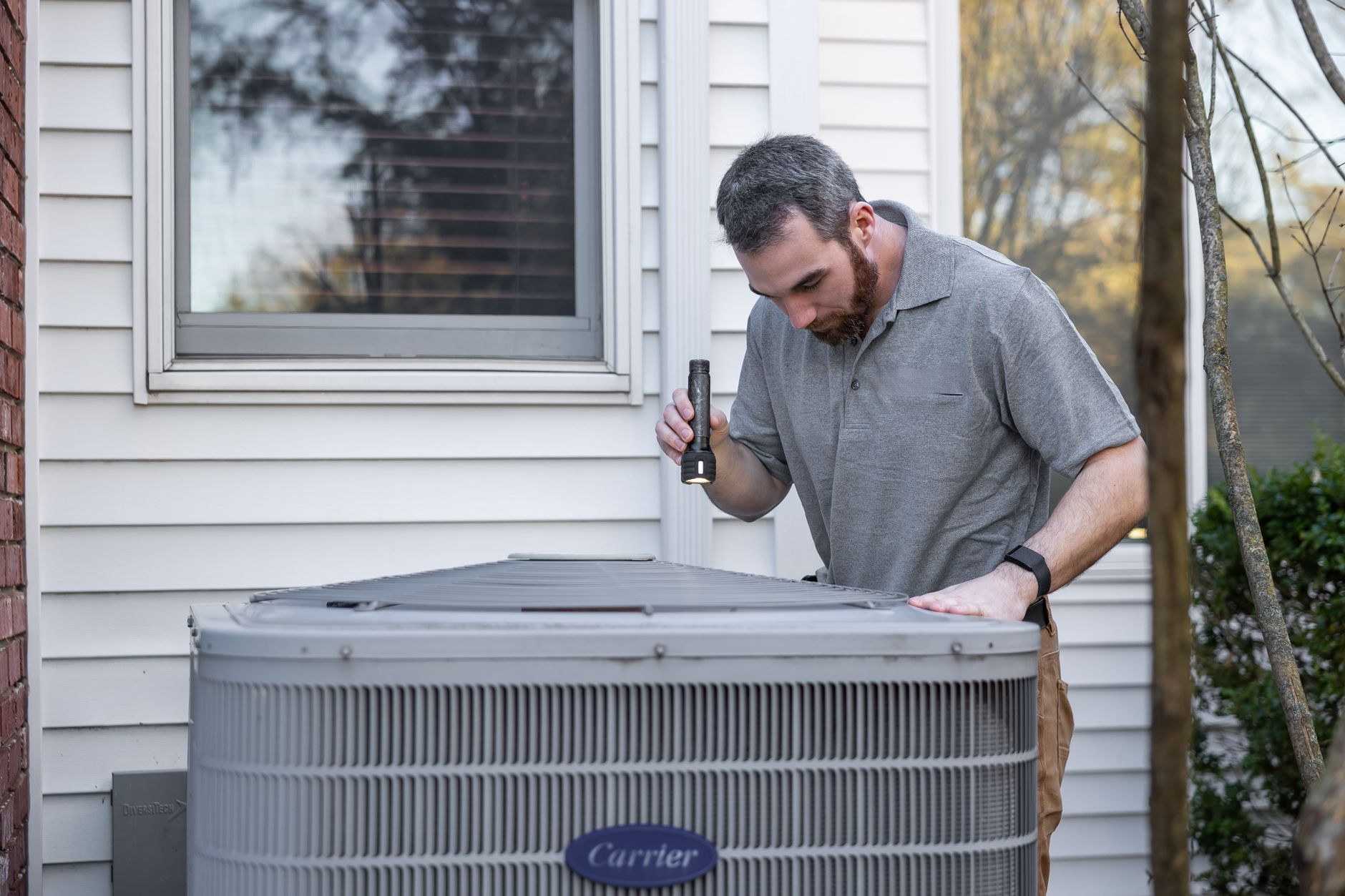
Photo by Kathleen Austin Kuhn on Pexels
Dirty Air Filter Repair Guide for Electric Furnaces
Introduction to Dirty Air Filters
A dirty air filter can cause your electric furnace to work harder, increasing energy bills and potentially leading to premature wear. If you notice your air filter gets dirty too quickly, it’s essential to address the issue to ensure your heating system operates efficiently and safely.
Common Symptoms
Some common symptoms of a dirty air filter include:
- Increased energy bills
- Reduced airflow
- Unusual noises from the furnace
- Increased dust in the home
Most Likely Causes
The most likely causes of a dirty air filter include:
- Poor filter quality
- Incorrect filter installation
- High indoor pollution
- Infrequent filter replacements
Safety Warning
If you smell gas, notice smoke or burning odors, or hear sparking sounds, stop the system immediately and contact emergency services or a qualified technician.
Safe Homeowner Checks
Before scheduling a service, perform these safe checks:
- Inspect the filter for visible dirt and debris
- Check the filter’s MERV rating and compatibility with your furnace
- Verify the filter is installed correctly
Checks Homeowners Should Not Attempt
Do not attempt to:
- Handle refrigerant or open sealed refrigeration systems
- Bypass safety controls or work on live high-voltage circuits
- Replace capacitors or repair gas valves
How an HVAC Technician Diagnoses the Issue
A qualified HVAC technician will:
- Inspect the air filter and ductwork
- Check the furnace’s airflow and pressure
- Verify the thermostat’s calibration and settings
Typical Professional Repair Process
The technician will:
- Clean or replace the air filter
- Inspect and clean the ductwork
- Adjust the furnace’s airflow and pressure settings
Repair versus Replacement Guidance
Consider replacement if:
- The furnace is old or inefficient
- Repairs are frequent or costly
- Energy bills are excessively high
Prevention and Maintenance Checklist
Regularly:
- Replace the air filter
- Inspect the ductwork
- Check the thermostat’s batteries and settings
Urgency and Emergency Warning Signs
If you notice:
- A gas smell or carbon monoxide alarm
- Smoke or burning odors
- Sparking sounds or repeated breaker trips
Stop the system and contact emergency services or a qualified technician.
Frequently Asked Questions
- Q: How often should I replace my air filter?
- A: Every 1-3 months, depending on usage and manufacturer recommendations.
- Q: Can I clean my air filter instead of replacing it?
- A: Some filters are washable, but it’s often more cost-effective to replace them.
- Q: How much does a new air filter cost?
- A: The cost varies depending on the filter type, quality, and size.
- Q: Can I install a new air filter myself?
- A: Yes, but ensure it’s compatible with your furnace and installed correctly.
- Q: How often should I have my furnace serviced?
- A: At least once a year, preferably before the heating season.
- Q: What are the benefits of regular furnace maintenance?
- A: Improved efficiency, reduced energy bills, and extended furnace lifespan.


Leave a Reply