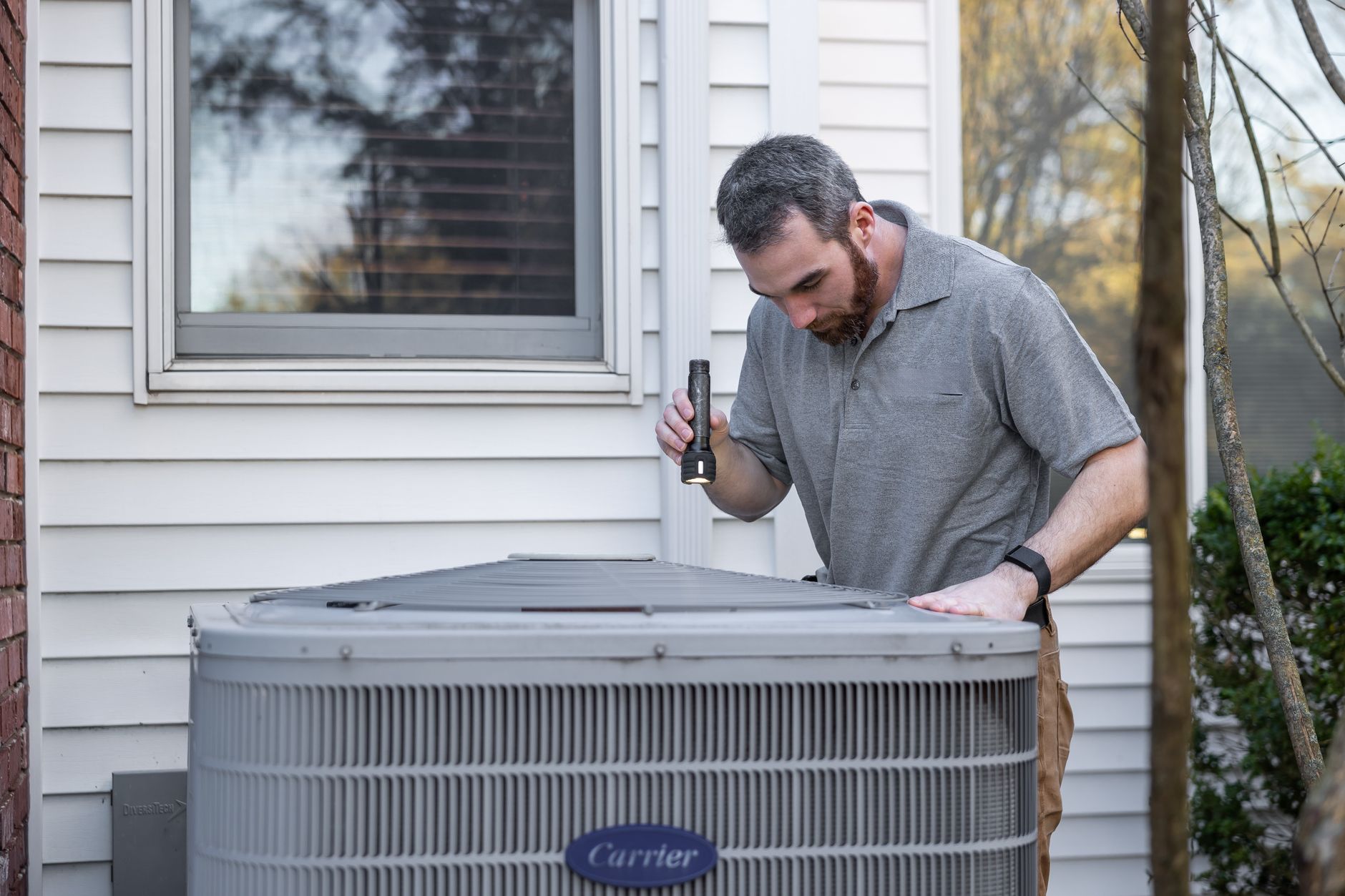
Photo by Kathleen Austin Kuhn on Pexels
Central Air Conditioner Not Cooling: A Step-by-Step Guide
Introduction to the Problem
If your central air conditioner is running but not cooling, it can be frustrating and uncomfortable. Before attempting any repairs, ensure your safety: if you smell gas, notice smoke, or hear sparking, stop the system, leave the area, and contact emergency services or a qualified technician.
Common Symptoms
Identifying the symptoms of a malfunctioning central air conditioner is crucial. These may include warm air blowing from the vents, increased humidity, or a system that cycles on and off frequently.
Symptom Checklist
- Warm air from vents
- High humidity levels
- Frequent cycling
Most Likely Causes
The causes of a central air conditioner not cooling can vary. Common issues include a dirty air filter, low refrigerant levels, a faulty thermostat, or blocked air vents.
Cause Explanation
A dirty air filter can restrict airflow, causing the system to work harder and less efficiently. Similarly, low refrigerant levels can prevent the system from cooling properly.
Safe Homeowner Checks
Before calling a technician, perform these safe checks: ensure the thermostat is set to cool, check the air filter for cleanliness, and verify that all vents are open and unobstructed.
Checklist for Homeowners
- Thermostat setting
- Air filter condition
- Vent obstruction
Checks Homeowners Should Not Attempt
Certain checks and repairs are best left to a qualified HVAC technician. These include handling refrigerant, working on live electrical circuits, and diagnosing complex system issues.
How an HVAC Technician Diagnoses the Issue
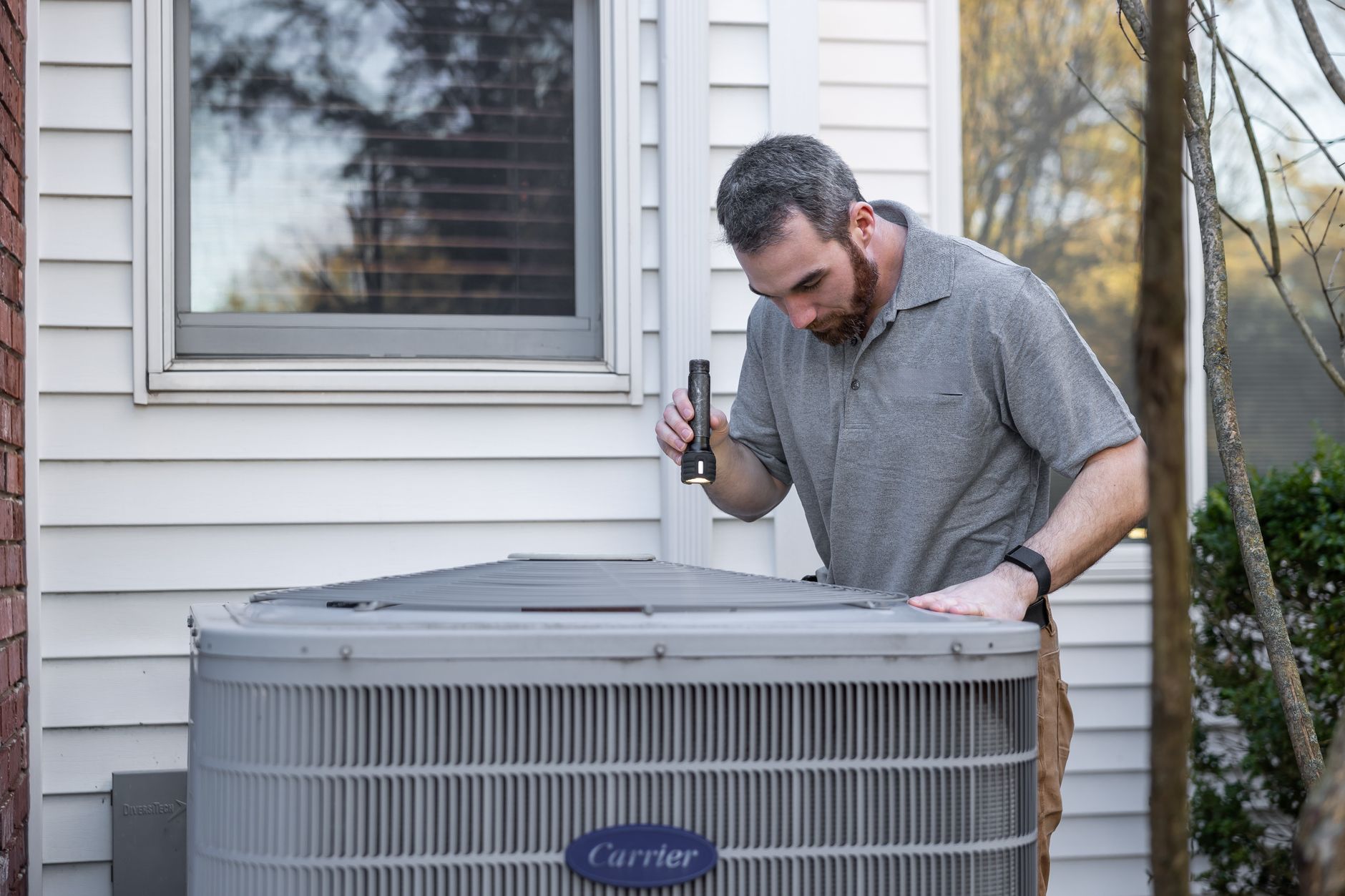
A technician will typically inspect the system, check for leaks, and test the refrigerant levels. They may also examine the thermostat, compressor, and fan to identify any faults.
Typical Professional Repair Process
The repair process involves identifying the root cause and then performing the necessary fixes. This could include cleaning or replacing the air filter, recharging refrigerant, repairing or replacing the thermostat, or fixing any leaks in the system.
Repair versus Replacement Guidance
Whether to repair or replace your central air conditioner depends on the age of the system, the cost of the repair, and the overall efficiency of the unit. For older systems or costly repairs, replacement might be the more economical option in the long run.
Prevention and Maintenance Checklist
Regular maintenance can prevent many issues. This includes changing the air filter regularly, cleaning the condenser coils, and scheduling annual inspections with an HVAC technician.
Maintenance Schedule
- Monthly: Air filter check
- Seasonally: Condenser coil cleaning
- Annually: System inspection
Urgency and Emergency Warning Signs
Some situations require immediate attention. If you notice a gas smell, see smoke, or your carbon monoxide alarm goes off, stop the system and seek help immediately.
Frequently Asked Questions
1. Why is my air conditioner not cooling?
This could be due to a variety of reasons including a dirty air filter, low refrigerant, or a faulty thermostat.
2. Can I fix my air conditioner myself?
Some simple checks like ensuring the thermostat is set correctly and changing the air filter are safe for homeowners. However, complex repairs should be left to a professional.
3. How often should I change my air filter?
It’s recommended to check and change your air filter monthly, or as specified by the manufacturer.
4. What are the benefits of regular maintenance?
Regular maintenance can improve the efficiency of your system, reduce energy bills, and extend the lifespan of your air conditioner.
5. When should I replace my air conditioner?
Consider replacement if your system is old, requires frequent repairs, or if the repair cost is close to the cost of a new system.
6. How can I find a qualified HVAC technician?
Look for technicians who are licensed, insured, and have good customer reviews. You can also ask for referrals from friends, family, or neighbors.


Leave a Reply