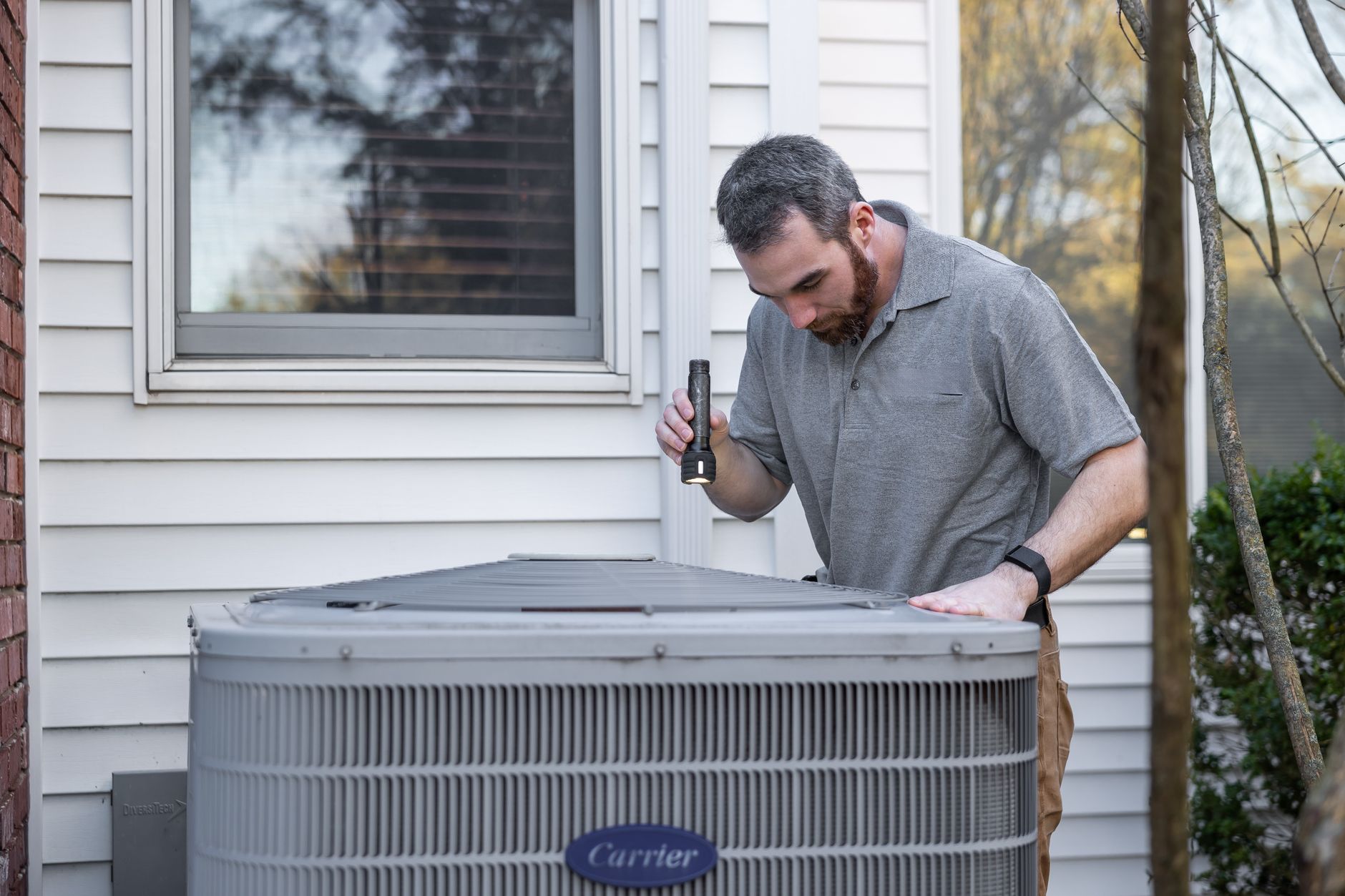
Photo by Kathleen Austin Kuhn on Pexels
AC Capacitor or Contactor Failure Symptoms and Repair Guide
If your air conditioning system is not turning on, or is turning on intermittently, it may be due to a faulty capacitor or contactor. Before attempting any repairs, it’s essential to understand the risks involved and take necessary safety precautions. If you smell gas, smoke, or burning odors, hear sparking, or experience repeated breaker trips, stop the system immediately and contact emergency services or a qualified technician.
Common Symptoms of AC Capacitor or Contactor Failure
The most common symptoms of AC capacitor or contactor failure include:
- Air conditioning system not turning on
- Intermittent system operation
- Humming or buzzing noises
- Overheating
Most Likely Causes of AC Capacitor or Contactor Failure
The most likely causes of AC capacitor or contactor failure include:
- Aging or worn-out components
- Power surges or electrical storms
- Overloading or excessive use
- Poor maintenance or neglect
Safe Homeowner Checks
Before calling a technician, homeowners can perform the following safe checks:
- Check the thermostat settings and ensure it’s set to the correct mode
- Verify the circuit breaker or fuse hasn’t tripped or blown
- Ensure the air filter is clean and not clogged
Checks Homeowners Should Not Attempt
Homeowners should not attempt to:
- Handle refrigerant or open sealed refrigeration systems
- Work on live high-voltage circuits
- Replace capacitors or repair gas valves
- Adjust combustion or disable breakers and safety switches
How an HVAC Technician Diagnoses the Issue
A qualified HVAC technician will typically:
- Perform a visual inspection of the system and components
- Use specialized tools to test voltage, current, and resistance
- Check the capacitor and contactor for signs of wear or damage
- Verify the system’s electrical connections and wiring
Typical Professional Repair Process
The repair process typically involves:
- Replacing the faulty capacitor or contactor
- Cleaning and adjusting the system’s electrical connections
- Verifying the system’s operation and performance
Repair versus Replacement Guidance
When deciding between repair and replacement, consider the following factors:
- System age and condition
- Cost of repairs versus replacement
- Energy efficiency and performance
Prevention and Maintenance Checklist
To prevent AC capacitor or contactor failure, follow this maintenance checklist:
- Schedule regular maintenance with a qualified technician
- Keep the air filter clean and replace it as needed
- Verify the system’s electrical connections and wiring
- Monitor the system’s performance and report any issues promptly
Urgency and Emergency Warning Signs
If you experience any of the following, stop the system and contact emergency services or a qualified technician:
- Gas smell or smoke
- Burning odors or sparks
- Repeated breaker trips or overheating
Frequently Asked Questions
- What are the most common symptoms of AC capacitor or contactor failure?
- How can I prevent AC capacitor or contactor failure?
- What should I do if I smell gas or smoke?
- Can I replace the capacitor or contactor myself?
- How often should I schedule maintenance with a qualified technician?
- What are the costs associated with repairing or replacing the AC capacitor or contactor?


Leave a Reply