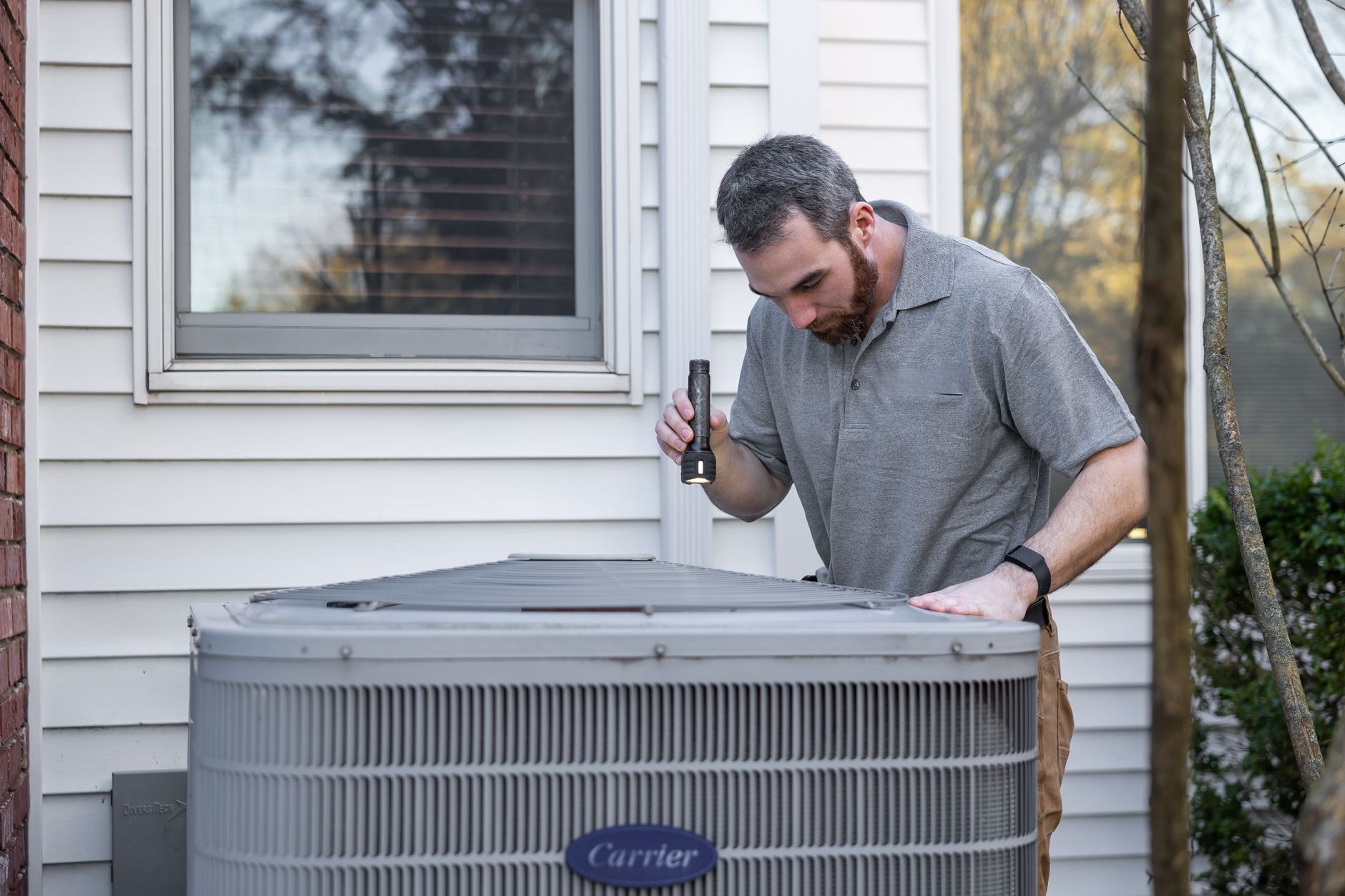
Photo by Kathleen Austin Kuhn on Pexels
Air Conditioner Not Cooling? Common Causes and DIY Checks for Homeowners
As the summer months approach, a functioning air conditioner is essential for comfort and relief from the heat. But what happens when your air conditioner stops cooling? In this article, we’ll explore common causes of an air conditioner not cooling and provide DIY checks for homeowners to troubleshoot the issue before calling an HVAC technician in Jacksonville, FL.
Introduction to Air Conditioner Issues
Air conditioner problems can be frustrating and uncomfortable, especially during the hot summer months. Before calling an HVAC technician, it’s essential to understand the common causes of an air conditioner not cooling.
Clogged Air Filters
Clogged air filters are one of the most common causes of an air conditioner not cooling. Dirty filters can restrict airflow, causing the system to work harder and increasing energy bills.
How to Check and Replace Air Filters
To check and replace air filters, follow these steps:
- Turn off the power to the air conditioner
- Locate the air filter
- Remove the filter and inspect it for dirt and debris
- Replace the filter with a new one if necessary
Refrigerant Leaks
Refrigerant leaks can cause an air conditioner to stop cooling. If you suspect a refrigerant leak, it’s essential to contact an HVAC technician to repair the leak and recharge the system.
Thermostat Issues
Thermostat issues can also cause an air conditioner to stop cooling. If the thermostat is not functioning correctly, it may not be sending the correct signals to the air conditioner, causing it to malfunction.
How to Check and Replace a Thermostat
To check and replace a thermostat, follow these steps:
- Turn off the power to the air conditioner
- Locate the thermostat
- Check the thermostat for any signs of damage or wear
- Replace the thermostat with a new one if necessary
compressor Issues
Compressor issues can cause an air conditioner to stop cooling. If the compressor is not functioning correctly, it may not be able to compress the refrigerant, causing the system to malfunction.
Capacitor Issues
Capacitor issues can also cause an air conditioner to stop cooling. If the capacitor is not functioning correctly, it may not be able to provide the necessary power to the compressor and fan motor.
DIY Checklist for Homeowners
Before calling an HVAC technician, homeowners can perform the following DIY checks:
- Check the air filters and replace them if necessary
- Check the thermostat and replace it if necessary
- Check the compressor and capacitor for any signs of damage or wear
- Check the refrigerant levels and contact an HVAC technician if a leak is suspected
Cost and Urgency Guidance
The cost of repairing an air conditioner can vary depending on the issue and the location. In Jacksonville, FL, homeowners can expect to pay a premium for emergency repairs. It’s essential to address air conditioner issues promptly to avoid further damage and increased costs.
Frequently Asked Questions
Here are some frequently asked questions about air conditioner issues:
- Q: Why is my air conditioner not cooling?
A: There are several reasons why an air conditioner may not be cooling, including clogged air filters, refrigerant leaks, and thermostat issues. - Q: How often should I replace my air filters?
A: Air filters should be replaced every 1-3 months, depending on usage and manufacturer recommendations. - Q: Can I repair my air conditioner myself?
A: While some DIY checks can be performed, it’s recommended to contact an HVAC technician for complex repairs. - Q: How much does it cost to repair an air conditioner?
A: The cost of repairing an air conditioner can vary depending on the issue and location. - Q: What are the benefits of regular maintenance?
A: Regular maintenance can help extend the lifespan of the air conditioner, improve efficiency, and reduce energy bills. - Q: How can I prevent air conditioner issues?
A: Regular maintenance, prompt repairs, and DIY checks can help prevent air conditioner issues.


Leave a Reply