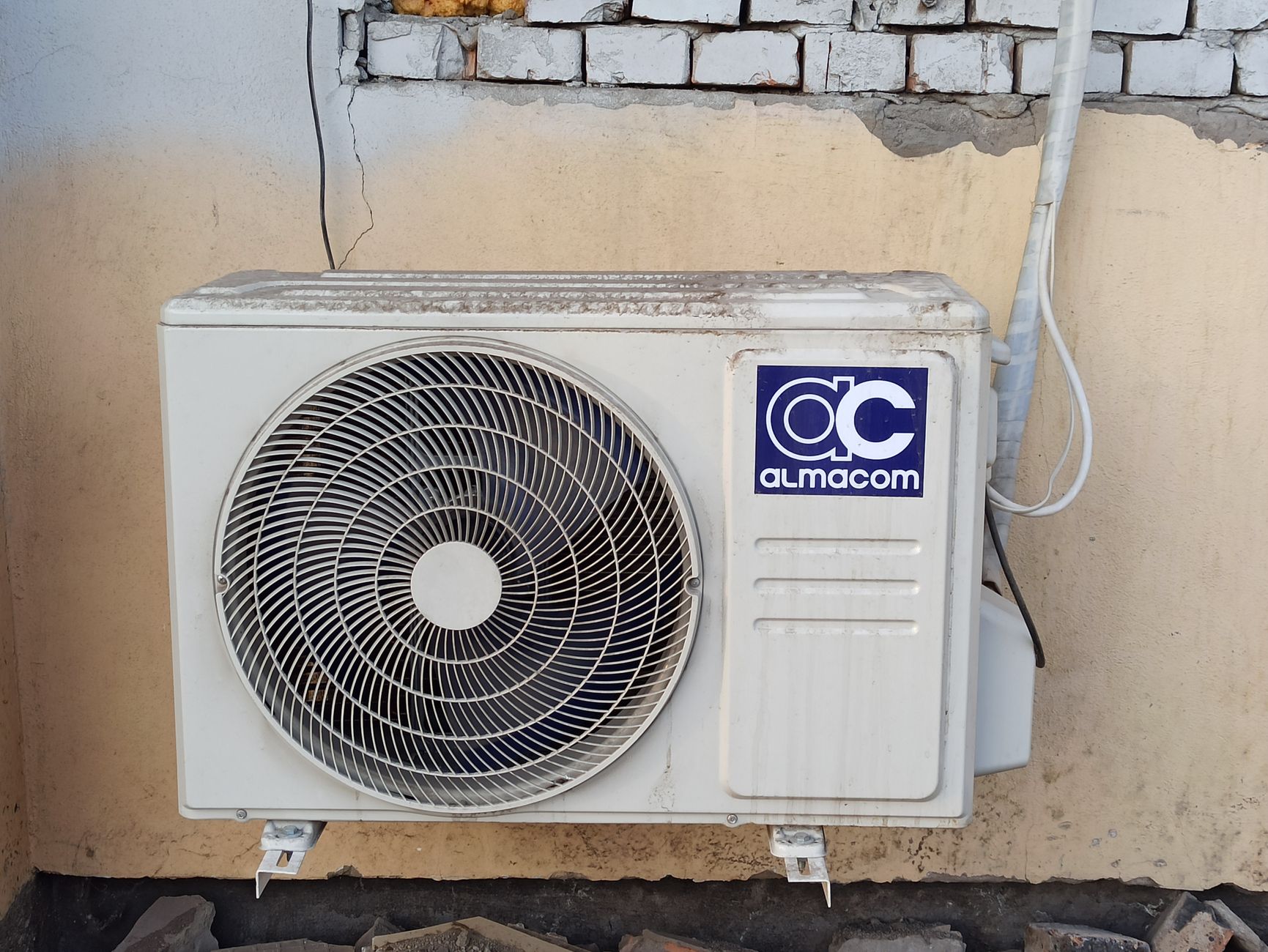
Photo by Natalie Dmay on Pexels
Mini Split Not Cooling: A Comprehensive Repair Guide
Introduction to the Problem
If your mini split is not cooling, it can be a frustrating and uncomfortable experience, especially during the hot summer months. Before attempting any repairs, it’s essential to understand the potential risks involved. If you smell gas, notice smoke, or hear a burning odor, stop the system immediately and leave the area. Contact emergency services, your gas utility, or a qualified HVAC technician for assistance.
Common Symptoms
Some common symptoms of a mini split not cooling include warm air blowing from the vents, reduced airflow, and increased energy bills. You may also notice that the system is not turning on or is constantly running without cooling the space.
Identifying the Issue
To identify the issue, start by checking the thermostat settings and ensuring that it’s set to the correct temperature. Also, verify that the air filters are clean and not clogged, as dirty filters can restrict airflow and reduce the system’s cooling performance.
Most Likely Causes
Some of the most likely causes of a mini split not cooling include refrigerant leaks, compressor failure, and faulty thermostats. Other potential causes include clogged air filters, dirty coils, and malfunctioning fans.
Safe Homeowner Checks
As a homeowner, there are several safe checks you can perform to troubleshoot the issue. Check the air filters and replace them if necessary. Ensure that the thermostat is set correctly and that the system is receiving power. You can also inspect the outdoor unit for any blockages or debris.
Checks Homeowners Should Not Attempt
There are several checks that homeowners should not attempt, as they can be dangerous or require specialized training. These include handling refrigerant, opening sealed refrigeration systems, bypassing safety controls, working on live high-voltage circuits, replacing capacitors, repairing gas valves, adjusting combustion, or disabling breakers and safety switches.
How an HVAC Technician Diagnoses the Issue
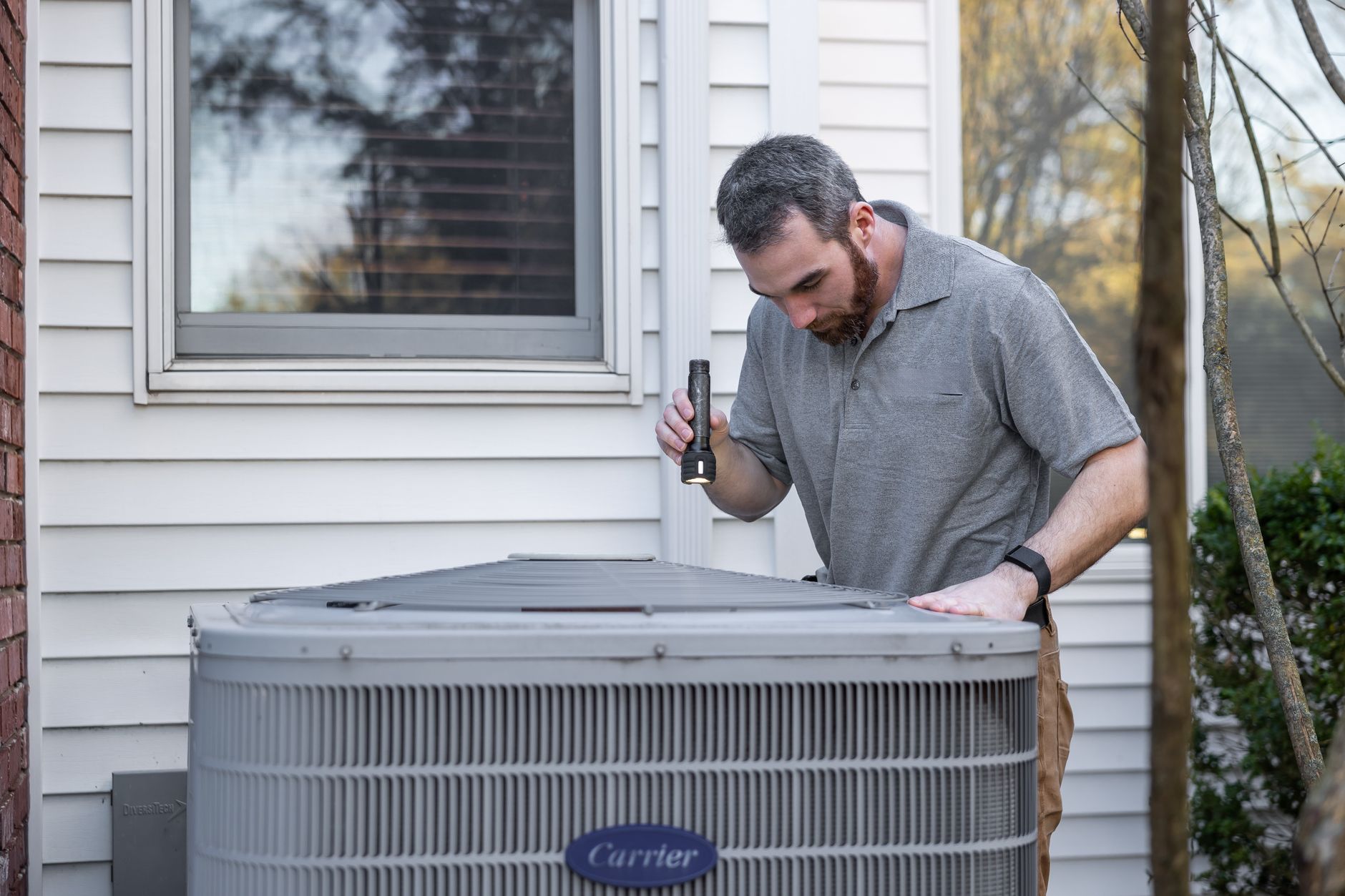
A qualified HVAC technician will typically start by inspecting the system and checking for any visible signs of damage or wear. They will then use specialized tools to diagnose the issue, such as refrigerant leak detectors and multimeters. The technician will also perform a series of tests to determine the root cause of the problem.
Typical Professional Repair Process
The repair process will depend on the underlying cause of the issue. If the problem is due to a refrigerant leak, the technician will need to repair the leak and recharge the system. If the compressor has failed, it may need to be replaced. In some cases, the entire system may need to be replaced, especially if it’s old or inefficient.
Repair versus Replacement Guidance
When deciding whether to repair or replace your mini split, consider the age and condition of the system. If the system is old or has undergone frequent repairs, it may be more cost-effective to replace it. However, if the issue is minor and the system is still under warranty, repair may be the better option.
Prevention and Maintenance Checklist
To prevent future issues and ensure your mini split continues to operate efficiently, perform regular maintenance checks. This includes cleaning the air filters, inspecting the coils, and checking the refrigerant levels. You should also schedule annual maintenance with a qualified HVAC technician to ensure the system is running safely and efficiently.
Urgency and Emergency Warning Signs
If you notice any of the following warning signs, stop the system immediately and contact a qualified HVAC technician: gas smell, smoke, burning odor, carbon monoxide alarm, sparking, repeated breaker trips, or severe overheating.
Frequently Asked Questions
- Q: Why is my mini split not cooling?
A: There are several potential causes, including refrigerant leaks, compressor failure, and faulty thermostats. - Q: Can I repair my mini split myself?
A: While you can perform some basic checks, it’s recommended to hire a qualified HVAC technician for any repairs or maintenance. - Q: How often should I clean the air filters?
A: Clean the air filters every 1-3 months, depending on usage and manufacturer recommendations. - Q: What are the benefits of regular maintenance?
A: Regular maintenance can help prevent issues, improve efficiency, and extend the lifespan of your mini split. - Q: How much does it cost to repair a mini split?
A: The cost of repair will depend on the underlying cause, part type, labor, accessibility, system age, refrigerant type, and local rates. - Q: Can I replace my mini split with a different type of HVAC system?
A: Yes, but it’s recommended to consult with a qualified HVAC technician to determine the best system for your specific needs and budget.


Leave a Reply