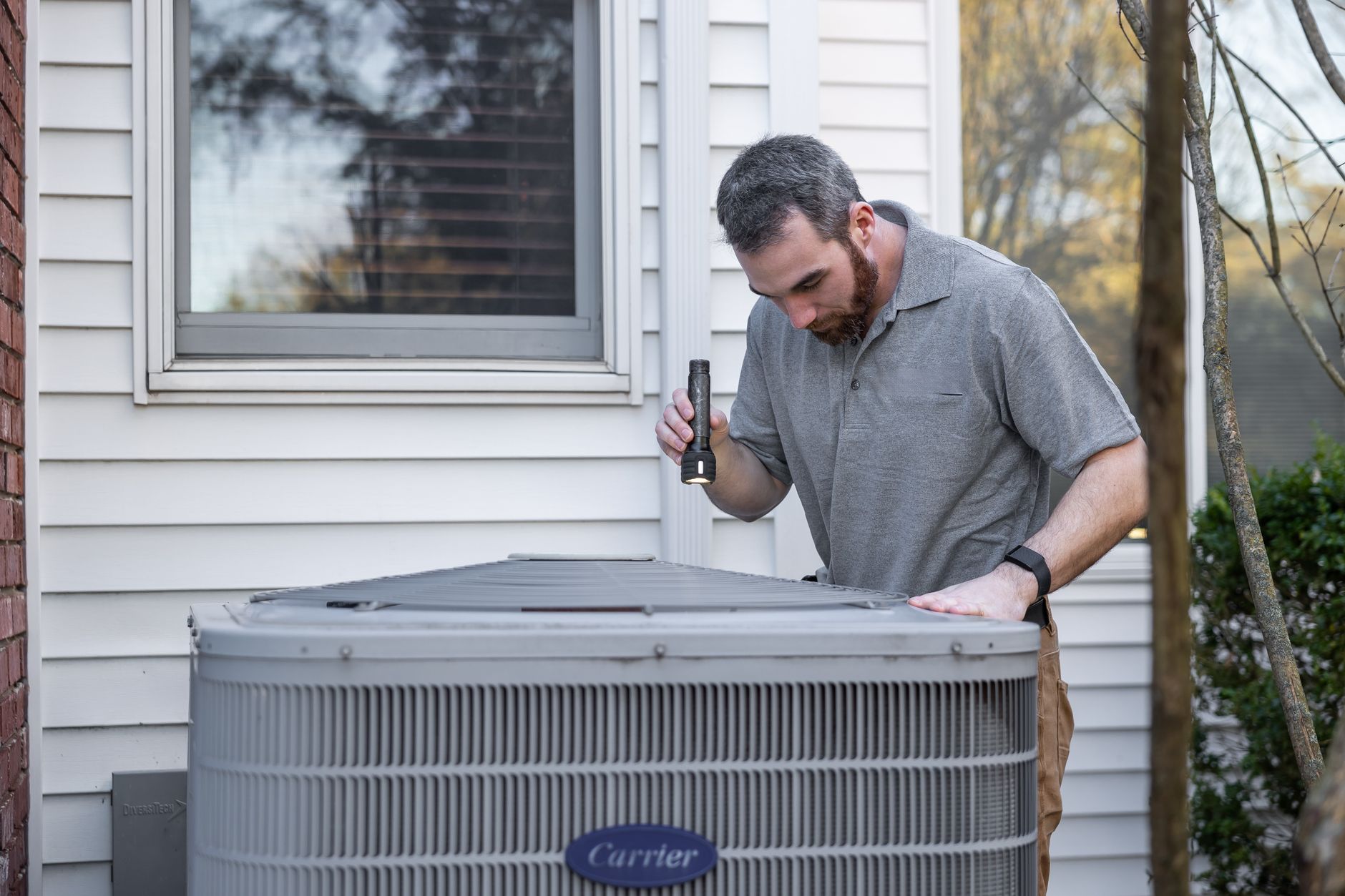
Photo by Kathleen Austin Kuhn on Pexels
Heat Pump Refrigerant Line or Indoor Coil Icing Up: A Comprehensive Repair Guide
Introduction to Heat Pump Icing Issues
If you notice your heat pump’s refrigerant line or indoor coil is icing up, it’s crucial to address the issue promptly to avoid further damage and ensure your system operates efficiently.
Common Symptoms of Heat Pump Icing
Symptoms include reduced heating or cooling performance, increased energy bills, and visible ice formation on the refrigerant lines or indoor coil.
Identifying the Symptoms
Look for signs like water leaking from the system, hissing sounds, or a frozen thermostat.
Most Likely Causes of Heat Pump Icing
Causes include low refrigerant levels, dirty air filters, blocked air vents, and faulty thermostats.
Safe Homeowner Checks
Check air filters, ensure proper ventilation, and inspect the thermostat for any issues.
Checks Homeowners Should Not Attempt
Avoid handling refrigerant, opening sealed systems, or working on live high-voltage circuits.
How an HVAC Technician Diagnoses the Issue
A technician will inspect the system, check refrigerant levels, and test electrical components.
Typical Professional Repair Process
The technician will repair or replace faulty components, clean the system, and ensure proper refrigerant levels.
Repair versus Replacement Guidance
Consider the system’s age, repair costs, and energy efficiency when deciding between repair and replacement.
Prevention and Maintenance Checklist
Regularly check and replace air filters, inspect the system, and schedule annual maintenance with a qualified technician.
Urgency and Emergency Warning Signs
If you notice severe overheating, a gas smell, or a carbon monoxide alarm, stop the system and contact emergency services or a qualified technician.
Frequently Asked Questions
- What causes heat pump icing?
- How can I prevent heat pump icing?
- Can I fix a heat pump icing issue myself?
- How much does it cost to repair a heat pump?
- What are the consequences of ignoring a heat pump icing issue?
- How often should I schedule heat pump maintenance?


Leave a Reply