
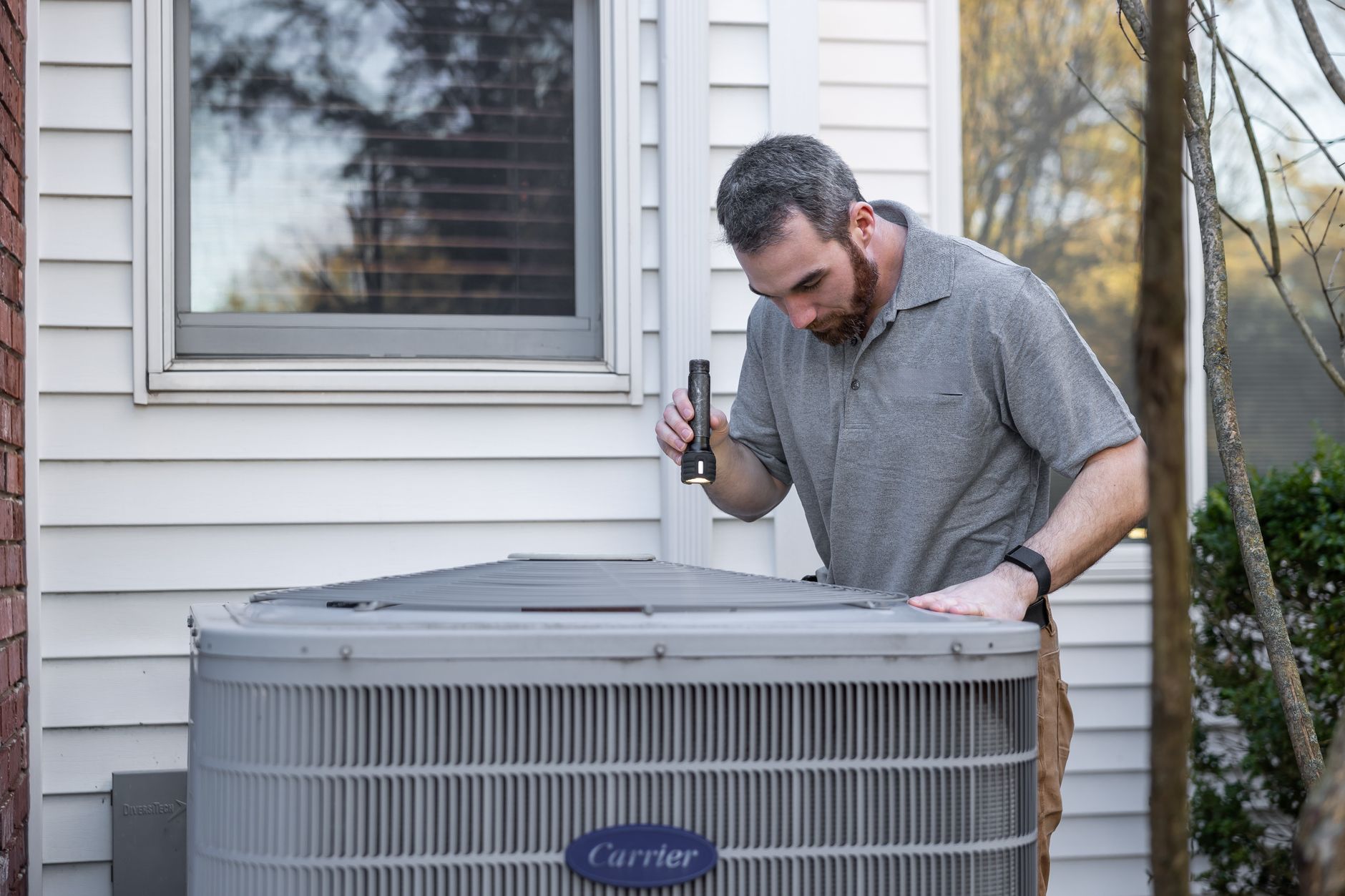
Photo by José Andrés Pacheco Cortes on Pexels
Recommended Models at a Glance
| Brand and model | Positioning | Best for | Verified product fact | Important limitation |
|---|---|---|---|---|
| Carrier Infinity 21 26VNA1 | premium | premium comfort, humidity control, and variable-speed operation | Variable-speed central air conditioner with up to 21 SEER2 and Greenspeed Intelligence. | higher cost |
| Trane XV20i TruComfort | premium | precise temperature control and premium variable-speed comfort | Variable-speed central air conditioner designed to continuously adjust cooling output. | higher cost |
| Lennox SL25KCV | premium | quiet premium cooling and precise capacity control | Variable-capacity central air conditioner with sound-dampening design and operation advertised as low as 58 dB. | higher cost |
| Daikin FIT DX6VS | mid-premium | compact side-discharge installation and inverter comfort | Compact inverter whole-home air conditioner designed for space-limited installations. | limited availability of certain sizes |
| Rheem Endeavor RA14AY | value | value-focused replacement and broad residential sizing | R-454B central air conditioner family offered in sizes from 1.5 to 5 tons with efficiency up to 15.2 SEER2 depending on the matched system. | lower SEER2 rating compared to premium models |
Introduction to Central Air Conditioners
When it comes to cooling your home, a central air conditioner is a popular choice among US homeowners. With various brands and models available, selecting the right one can be overwhelming. This guide will help you navigate through the top brands and models, considering factors like model sizing, matched-system considerations, and more.
Who Should Buy a Central Air Conditioner?
A central air conditioner is suitable for homeowners who want a comprehensive cooling solution for their entire home. If you live in a region with hot summers, this type of system can provide the comfort you need. However, if you have a smaller space or prefer a more targeted cooling approach, other options like mini-splits might be more appropriate.
Understanding Model Sizing and Matched Systems
The size of your central air conditioner and the matched system (including the furnace or heat pump) are crucial for efficient operation. A correctly sized system ensures that your home is cooled adequately without wasting energy. It’s essential to consult with a professional to determine the right size for your home, taking into account factors like insulation, window size, and local climate.
Skipping the Wrong Models
While all the models listed in our approved products have their merits, some might not be the best fit for your specific needs. For example, if budget is a concern, skipping premium models might be necessary. On the other hand, if you prioritize precise temperature control and premium comfort, you might want to focus on variable-speed models.
Contractor Quote Checklist
When requesting quotes from contractors, ensure you ask about the following: exact model numbers, AHRI match, current specifications, warranty details, availability, and a written installed quote. This checklist will help you compare quotes accurately and make an informed decision.
Final Recommendation by Homeowner Profile
For the typical US homeowner looking for a balance between comfort, efficiency, and budget, we recommend considering the following factors: your home’s size, local climate, and your priority on features like variable-speed operation or compact design. Based on these considerations, you can find the best central air conditioner for your needs among our recommended products.
Conclusion
In conclusion, selecting the right central air conditioner involves more than just choosing a brand or model. It’s about understanding your home’s unique needs, considering factors like sizing and matched systems, and prioritizing your preferences. By following this guide and consulting with professionals, you can find the perfect central air conditioner for your US home.
Frequently Asked Questions
What is the difference between a central air conditioner and a heat pump?
A central air conditioner is designed solely for cooling, while a heat pump can provide both heating and cooling, depending on the model and configuration.
How do I determine the right size of central air conditioner for my home?
The right size of central air conditioner for your home depends on factors like your home's square footage, insulation, window size, and local climate. It's best to consult with a professional to ensure you get the correct size.
What is the importance of a matched system in central air conditioning?
A matched system ensures that the central air conditioner is compatible with the furnace or heat pump, providing optimal performance, efficiency, and reliability.
Can I install a central air conditioner myself?
It's highly recommended to hire a professional for the installation of a central air conditioner. Proper installation requires specialized knowledge and equipment to ensure safety, efficiency, and warranty validity.




Leave a Reply