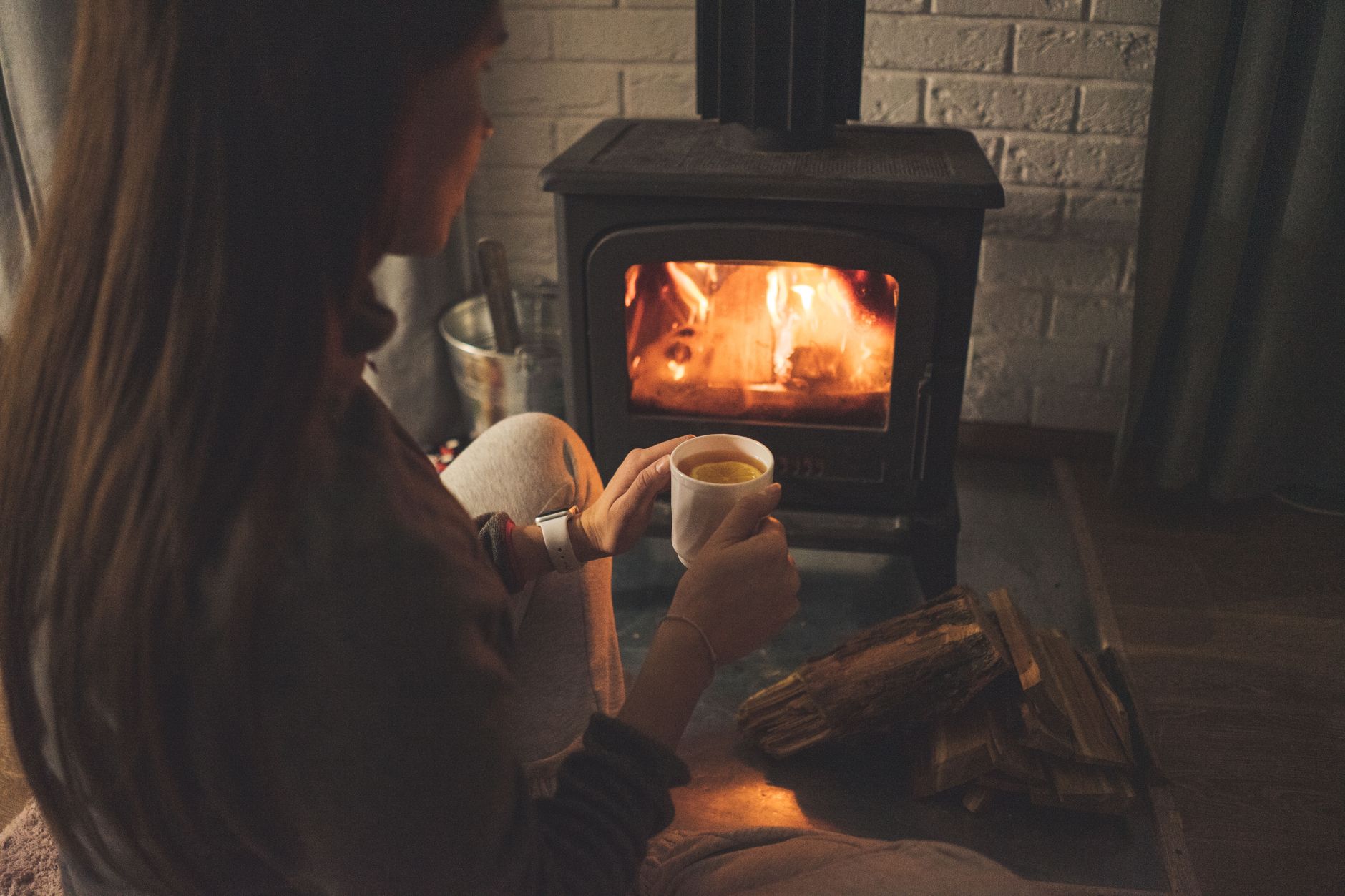
Photo by Atlantic Ambience on Pexels
Heating Bill Increase: A Direct Answer
If you’ve noticed a sudden spike in your heating bill, it’s essential to identify the cause to avoid unnecessary expenses. Several factors could contribute to this increase, including a malfunctioning wall heater, inadequate insulation, or improper thermostat settings.
Likely Causes of Increased Heating Bills
There are several reasons why your heating bill may have increased. These include a faulty wall heater, dirty filters, or a malfunctioning thermostat. It’s crucial to inspect your heater and its components to determine the root cause of the problem.
Safe Checks for Homeowners
Before calling a technician, perform these safe checks: ensure the filter is clean, check the thermostat settings, and verify that the heater is properly installed and maintained. Additionally, inspect the surrounding area for any blockages or obstructions that could affect the heater’s performance.
Danger Signs: When to Call a Technician
If you notice any of the following danger signs, shut down the system and contact a licensed professional: a gas smell, suspected carbon monoxide, smoke, sparking, melted wiring, flame rollout, or severe overheating. Never attempt to repair or troubleshoot these issues yourself, as they can pose serious health and safety risks.
Prevention is Key
To prevent future issues and reduce your heating bill, regular maintenance is essential. This includes scheduling annual inspections with a licensed technician, replacing filters regularly, and ensuring proper installation and maintenance of your wall heater.
Final Takeaway
In conclusion, a sudden increase in your heating bill can be caused by various factors. By performing safe checks and being aware of danger signs, you can identify and address the issue promptly. Remember to always prioritize your safety and the safety of your home by seeking professional help when needed.
A sudden increase in your heating bill can be caused by various factors, including a malfunctioning wall heater, inadequate insulation, or improper thermostat settings. You can perform safe checks such as ensuring the filter is clean, checking the thermostat settings, and verifying that the heater is properly installed and maintained. You should call a technician if you notice any danger signs such as a gas smell, suspected carbon monoxide, smoke, sparking, melted wiring, flame rollout, or severe overheating. To prevent future issues, schedule annual inspections with a licensed technician, replace filters regularly, and ensure proper installation and maintenance of your wall heater.Frequently Asked Questions
Why has my heating bill increased suddenly?
What are some safe checks I can perform on my wall heater?
When should I call a technician for my wall heater?
How can I prevent future issues with my wall heater?


Leave a Reply