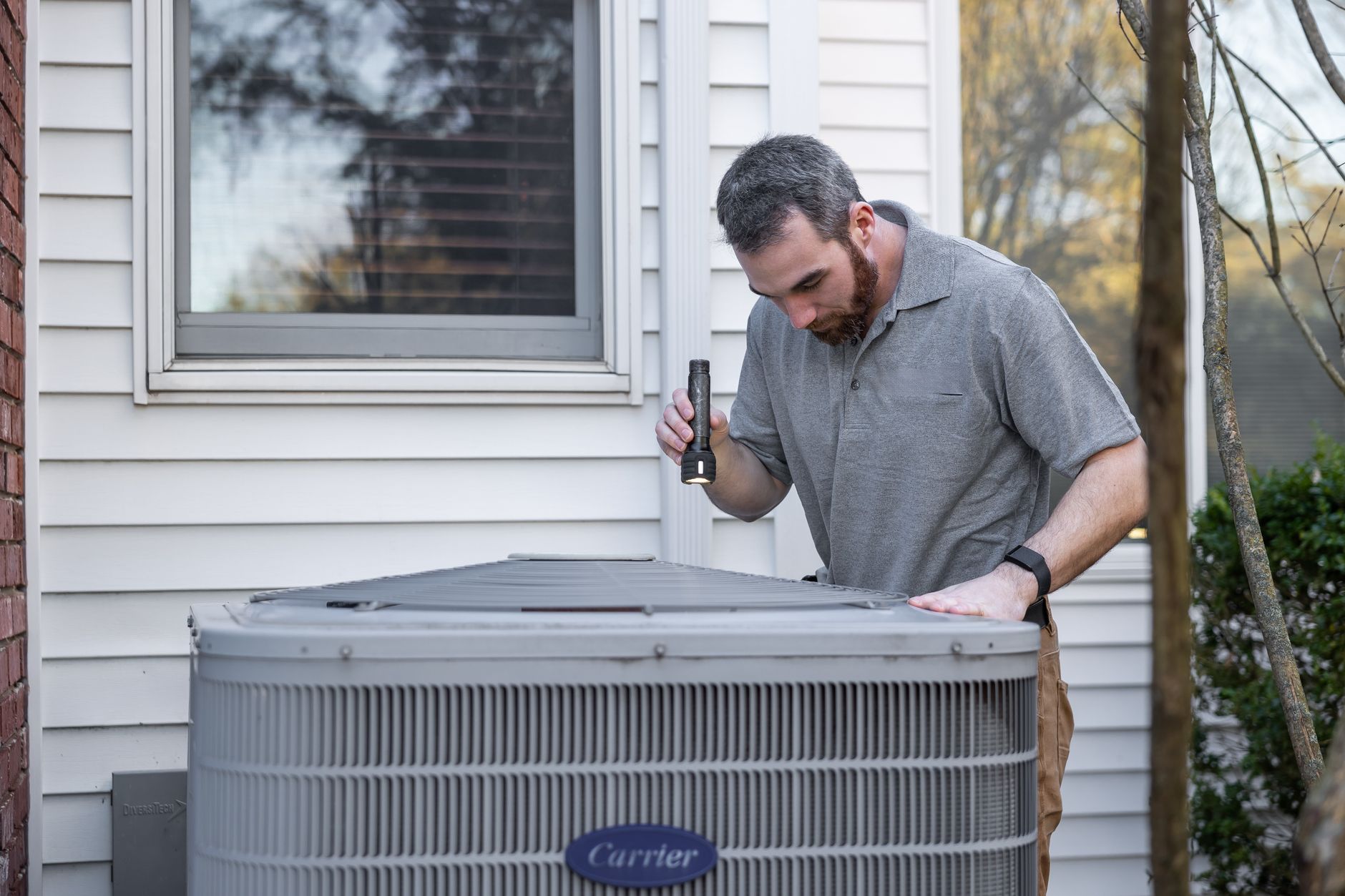
Photo by Kathleen Austin Kuhn on Pexels
Heat Pump Not Cooling: A Comprehensive Repair Guide
Introduction to Heat Pump Issues
If your heat pump is not cooling, it can be a frustrating and uncomfortable experience, especially during the hot summer months.
Common Symptoms of a Heat Pump Not Cooling
Some common symptoms of a heat pump not cooling include warm air blowing from the vents, increased energy bills, and a system that is constantly running but not cooling the space.
Identifying the Issue
Before attempting any repairs, it’s essential to identify the root cause of the problem. This can include issues with the thermostat, refrigerant leaks, or problems with the outdoor unit.
Most Likely Causes of a Heat Pump Not Cooling
The most likely causes of a heat pump not cooling include a malfunctioning thermostat, low refrigerant levels, or a faulty compressor.
Safe Homeowner Checks
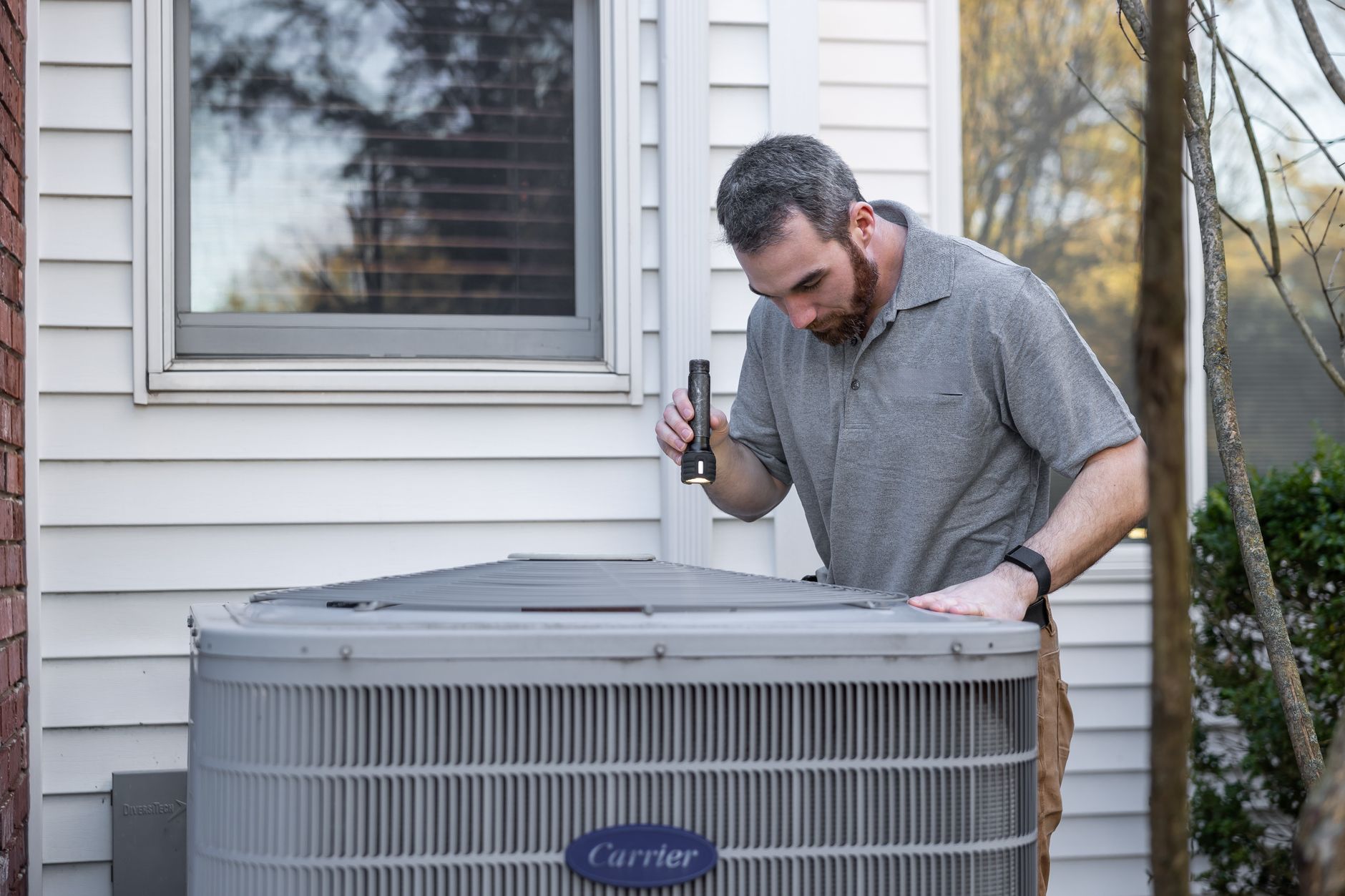
As a homeowner, there are some safe checks you can perform to troubleshoot the issue. These include checking the thermostat settings, ensuring the air filters are clean, and verifying that the outdoor unit is free from debris.
Checks Homeowners Should Not Attempt
However, there are some checks that homeowners should not attempt, including handling refrigerant, opening sealed refrigeration systems, or working on live high-voltage circuits.
How an HVAC Technician Diagnoses the Issue
A qualified HVAC technician will typically perform a series of tests to diagnose the issue, including checking the refrigerant levels, inspecting the compressor and fan motor, and verifying the thermostat settings.
Typical Professional Repair Process
The repair process will depend on the root cause of the issue, but may include replacing the compressor, replenishing the refrigerant, or repairing the thermostat.
Repair versus Replacement Guidance
In some cases, it may be more cost-effective to replace the heat pump rather than repair it, especially if the system is old or has experienced frequent breakdowns.
Prevention and Maintenance Checklist
To prevent future issues, it’s essential to maintain your heat pump regularly, including scheduling annual inspections, cleaning the air filters, and ensuring the outdoor unit is free from debris.
Urgency and Emergency Warning Signs
If you notice any urgent or emergency warning signs, such as a gas smell, smoke, or burning odor, it’s essential to stop the system, leave the area, and contact emergency services or a qualified technician.
Frequently Asked Questions
Q: What are the most common causes of a heat pump not cooling?
A: The most common causes include a malfunctioning thermostat, low refrigerant levels, or a faulty compressor.
Q: How often should I maintain my heat pump?
A: It’s recommended to schedule annual inspections and clean the air filters regularly to prevent future issues.
Q: Can I repair my heat pump myself?
A: While there are some safe checks you can perform, it’s recommended to hire a qualified HVAC technician to diagnose and repair any issues.
Q: How much does it cost to repair a heat pump?
A: The cost will depend on the root cause of the issue, but can range from a few hundred to several thousand dollars.
Q: Should I replace my heat pump or repair it?
A: It depends on the age and condition of the system, as well as the cost of the repair.
Q: What are the benefits of regular maintenance?
A: Regular maintenance can help prevent future issues, improve efficiency, and extend the lifespan of the system.


Leave a Reply