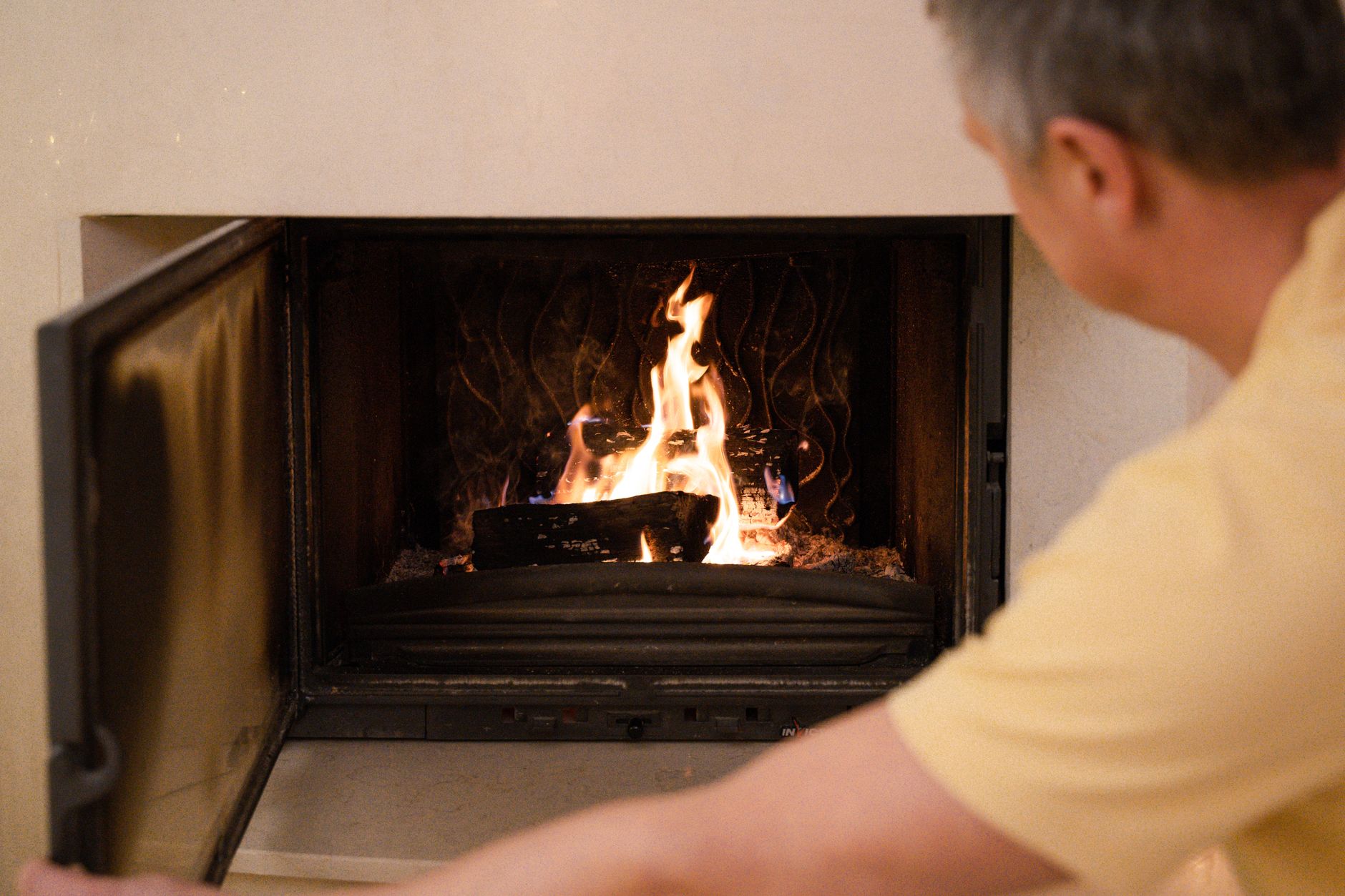
Photo by Pavel Danilyuk on Pexels
Introduction to Baseboard Heater Issues
If you’re experiencing cold rooms despite having baseboard heaters, it’s essential to identify the root cause of the problem. This article will guide you through safe and effective troubleshooting steps to prevent cold rooms and ensure your home remains warm and comfortable.
Understanding Baseboard Heaters
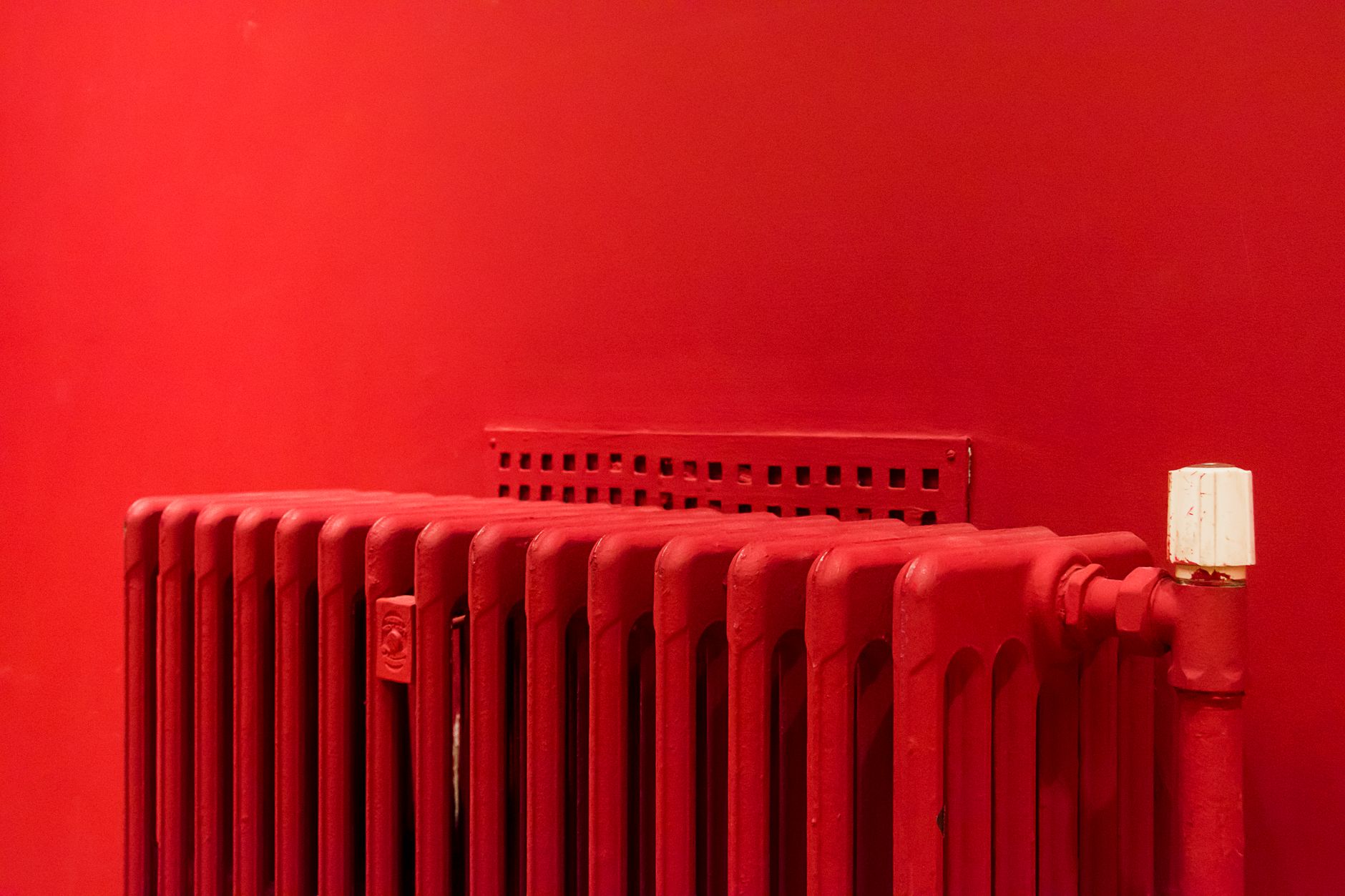
Baseboard heaters are a common heating solution in many American homes. They work by circulating warm air through a series of fins, which are usually located at the base of walls. To function correctly, baseboard heaters require proper installation, maintenance, and airflow.
Likely Causes of Cold Rooms
There are several reasons why some rooms may stay cold despite having baseboard heaters. These include inadequate insulation, blocked air vents, faulty thermostats, and insufficient heater size. It’s crucial to address these issues to prevent cold rooms and ensure efficient heating.
Safe Checks for Homeowners
Before calling a technician, homeowners can perform some safe checks to identify potential issues. Check for blocked air vents, inspect the thermostat for proper functioning, and ensure that the heater is properly installed and maintained. Additionally, check for any signs of damage or wear on the heater and its components.
Danger Signs and Safety Precautions
When dealing with heaters, it’s essential to be aware of danger signs such as gas smells, carbon monoxide, smoke, or severe overheating. If you notice any of these signs, shut down the system immediately, leave the area, and contact emergency services or a licensed professional. Never attempt to bypass safety switches or work on live electrical components.
Prevention and Maintenance
To prevent cold rooms and ensure efficient heating, it’s vital to maintain your baseboard heaters regularly. This includes cleaning the heaters, checking for blockages, and inspecting the thermostats. Additionally, consider upgrading to a smart thermostat to optimize your heating system’s performance.
Conclusion and Final Takeaway
In conclusion, preventing cold rooms when using baseboard heaters requires a combination of proper installation, maintenance, and safe troubleshooting. By following the steps outlined in this article, you can identify and address potential issues, ensuring your home remains warm and comfortable throughout the year. Remember to always prioritize safety when dealing with heaters and seek professional help when necessary.
Frequently Asked Questions
What are the most common causes of cold rooms with baseboard heaters?
Inadequate insulation, blocked air vents, faulty thermostats, and insufficient heater size are common causes of cold rooms with baseboard heaters.
How can I safely troubleshoot my baseboard heater?
Check for blocked air vents, inspect the thermostat, and ensure proper heater installation. Never attempt to bypass safety switches or work on live electrical components.
What are the danger signs I should look out for with my baseboard heater?
Gas smells, carbon monoxide, smoke, or severe overheating are danger signs that require immediate attention. Shut down the system, leave the area, and contact emergency services or a licensed professional.
How can I prevent cold rooms and ensure efficient heating with my baseboard heater?
Regular maintenance, proper installation, and safe troubleshooting can help prevent cold rooms and ensure efficient heating. Consider upgrading to a smart thermostat to optimize your heating system's performance.


Leave a Reply