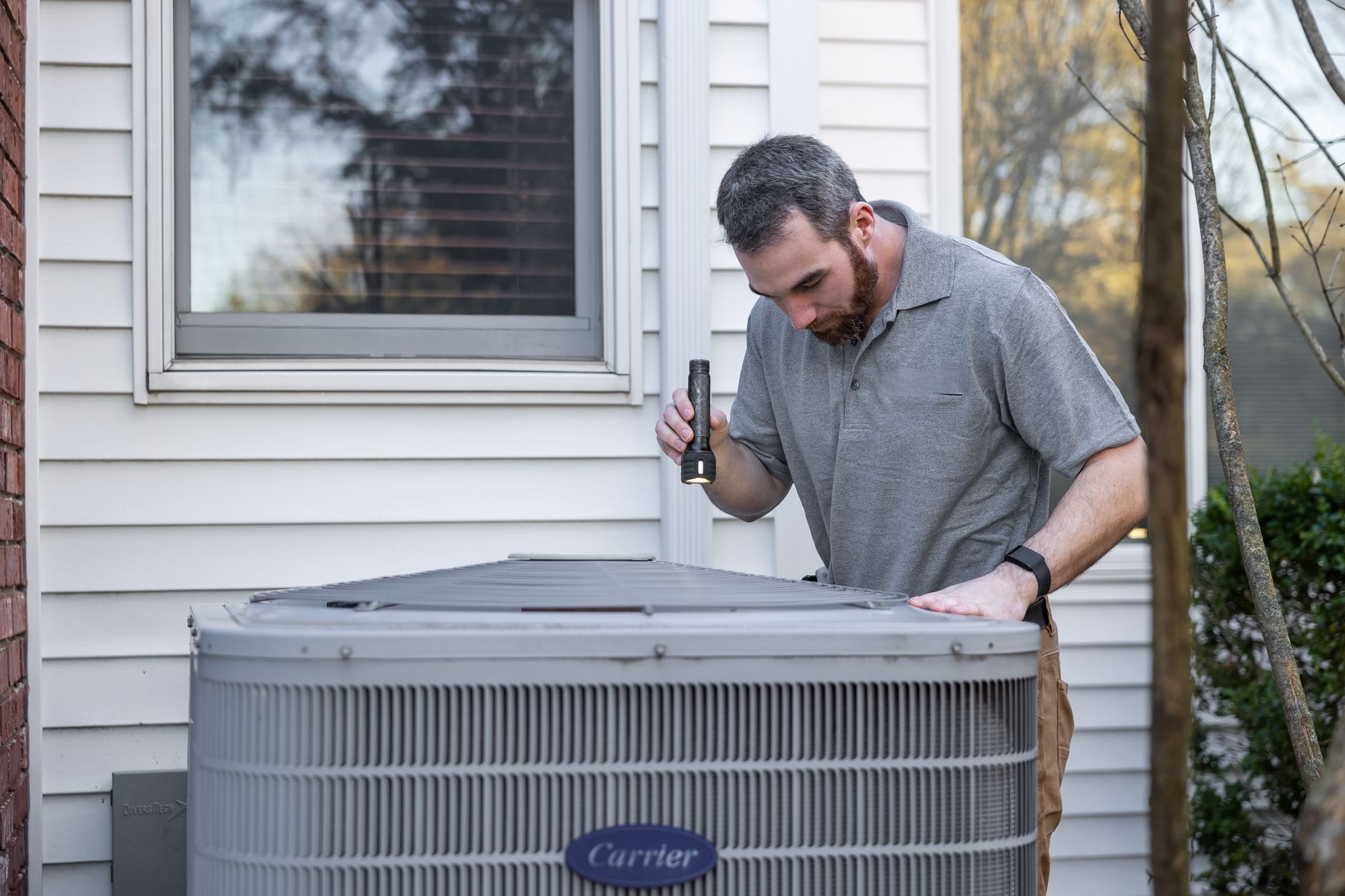
Photo by Kathleen Austin Kuhn on Pexels
Furnace Making Noise: Repair or Replace? A Homeowner’s Guide
If you’re a homeowner in Pittsburgh, PA, and your furnace is making noise, it can be unsettling. At Your HVAC Company, we understand the importance of a reliable heating system, especially during the cold winter months.
Introduction to Furnace Noise
Furnace noise can be caused by a variety of factors, including worn-out parts, improper installation, or lack of maintenance. It’s essential to address the issue promptly to avoid further damage to your furnace and ensure your safety.
Types of Furnace Noise
There are several types of furnace noise, including:
- Rattling or clanking
- Whistling or squealing
- Humming or buzzing
- Clicking or ticking
Causes of Furnace Noise
The causes of furnace noise can be categorized into three main groups: mechanical, electrical, and maintenance-related. Mechanical issues include worn-out belts, loose screws, or faulty motors. Electrical problems may involve faulty thermostats, tripped circuit breakers, or short circuits. Maintenance-related issues often stem from dirty filters, clogged vents, or neglected routine maintenance.
Mechanical Issues
Mechanical issues are often the most common cause of furnace noise. These can include:
- Worn-out belts or pulleys
- Loose screws or bolts
- Failed or faulty motors
When to Repair Your Furnace
Not all furnace noise requires replacement. In some cases, repair may be the more cost-effective and practical solution. If your furnace is relatively new (less than 10-15 years old) and the noise is caused by a minor issue, such as a loose screw or a dirty filter, repair may be the best option.
When to Replace Your Furnace
However, if your furnace is old, inefficient, or requires frequent repairs, it may be time to consider replacement. A new furnace can provide numerous benefits, including improved energy efficiency, reduced noise, and enhanced safety features.
Practical Homeowner Checklist
Before calling a professional, use this checklist to troubleshoot common furnace issues:
- Check the filter and replace it if necessary
- Inspect the vents and ducts for blockages or damage
- Verify the thermostat settings and adjust as needed
- Listen for unusual noises and document the type and frequency
Cost and Urgency Guidance
The cost of furnace repair or replacement can vary widely, depending on the type and severity of the issue, as well as the age and condition of your furnace. While it’s difficult to provide exact estimates without a professional assessment, it’s essential to consider the urgency of the situation. If your furnace is leaking gas, producing carbon monoxide, or causing electrical hazards, it’s crucial to address the issue immediately.
Frequently Asked Questions
- Q: Why is my furnace making noise?
- A: Furnace noise can be caused by a variety of factors, including worn-out parts, improper installation, or lack of maintenance.
- Q: Can I repair my furnace myself?
- A: While some minor issues can be addressed by homeowners, it’s generally recommended to hire a professional HVAC technician to ensure safety and proper diagnosis.
- Q: How often should I maintain my furnace?
- A: Regular maintenance, including annual inspections and filter replacements, can help prevent furnace noise and ensure optimal performance.
- Q: What are the benefits of replacing my furnace?
- A: A new furnace can provide improved energy efficiency, reduced noise, and enhanced safety features.
- Q: How long does a furnace typically last?
- A: The average lifespan of a furnace is 15-20 years, depending on the type, quality, and maintenance.
- Q: Can I install a new furnace myself?
- A: It’s highly recommended to hire a professional HVAC technician to ensure proper installation, safety, and warranty validation.
If you’re experiencing furnace noise or other heating issues in Pittsburgh, PA, contact Your HVAC Company at (555) 555-5555 for professional assistance and guidance.


Leave a Reply