Photo by Francesco Ungaro on Pexels
Understanding Heat Pump Icing
When a heat pump ices over during winter, it can significantly reduce its heating performance and efficiency.
Likely Causes of Heat Pump Icing
Low refrigerant levels, dirty air filters, and malfunctioning defrost cycles are common causes of heat pump icing.
Safe Checks for Homeowners
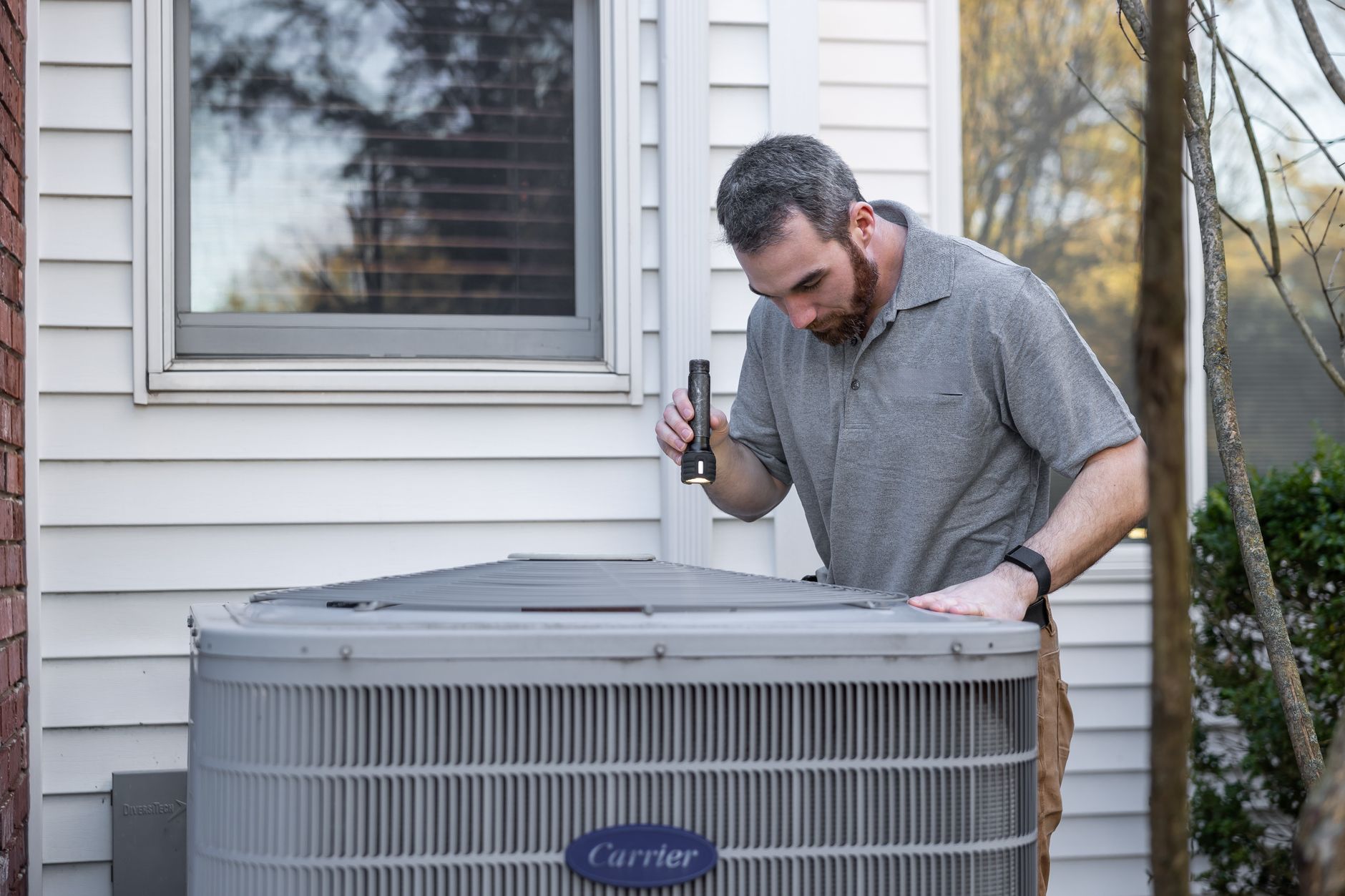
Regularly inspect and clean air filters, check for blockages in the outdoor unit, and ensure proper thermostat settings.
Danger Signs and Safety Precautions
If you notice severe icing, unusual noises, or a strong gas smell, shut down the system and contact a licensed technician immediately.
When to Call a Technician
If your heat pump continues to ice over after performing safe checks, or if you’re unsure about any aspect of the system, it’s time to call a professional.
Prevention and Maintenance Tips
Regular maintenance, including annual inspections and cleaning, can help prevent heat pump icing and ensure optimal performance.
Final Takeaway
By understanding the causes of heat pump icing and performing safe troubleshooting steps, homeowners can help maintain their system’s efficiency and safety.
Frequently Asked Questions
What are the common causes of heat pump icing?
Low refrigerant levels, dirty air filters, and malfunctioning defrost cycles are common causes of heat pump icing.
How can I safely troubleshoot my heat pump icing issue?
Regularly inspect and clean air filters, check for blockages in the outdoor unit, and ensure proper thermostat settings.
What are the danger signs that require immediate attention?
Severe icing, unusual noises, or a strong gas smell require immediate shutdown and contact with a licensed technician.
How can I prevent heat pump icing and maintain optimal performance?
Regular maintenance, including annual inspections and cleaning, can help prevent heat pump icing and ensure optimal performance.


Leave a Reply