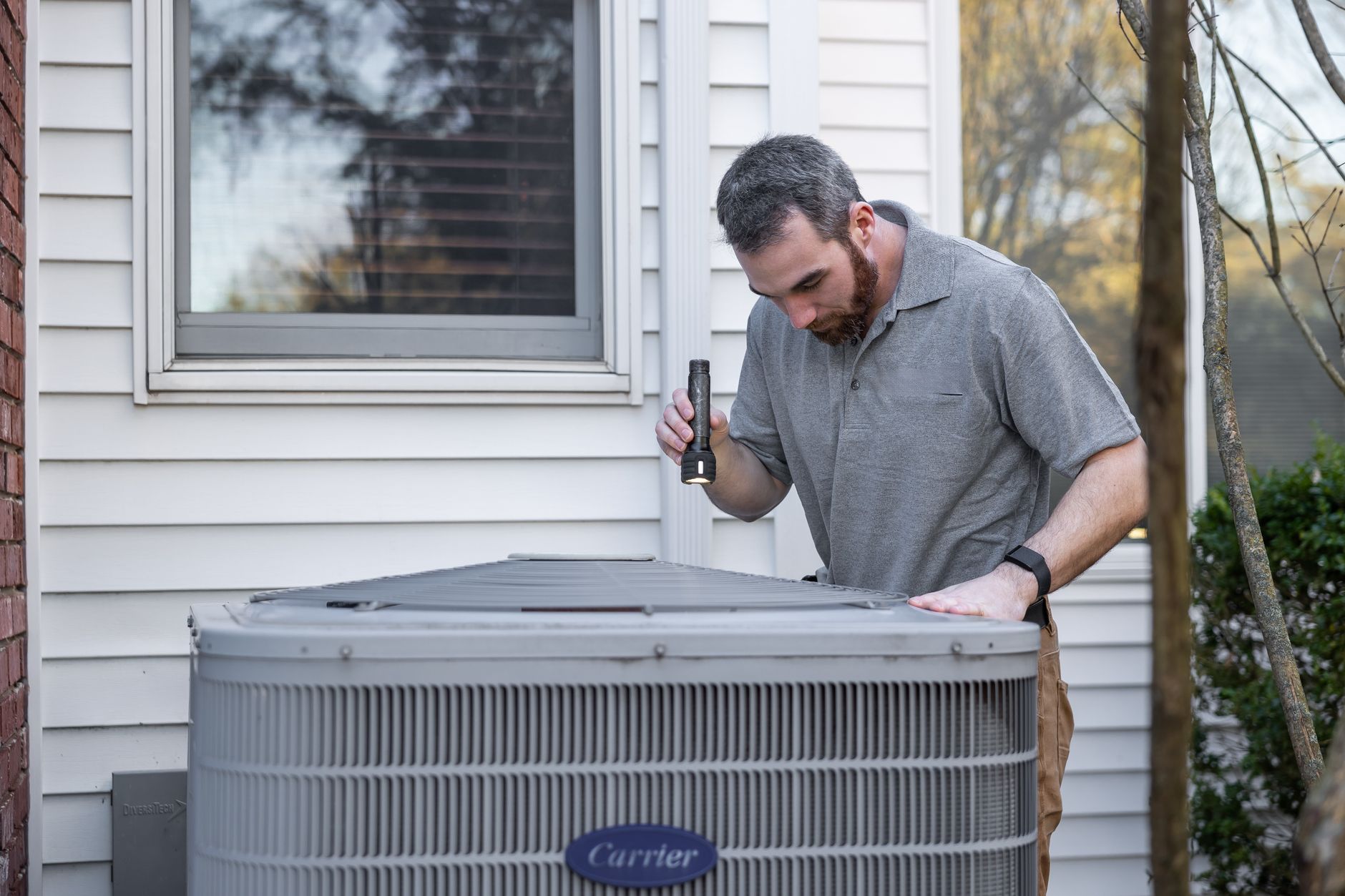
Photo by Kathleen Austin Kuhn on Pexels
Furnace Flame Sensor Repair Guide: Troubleshooting and Prevention
Introduction to Furnace Flame Sensor Issues
A dirty or failing furnace flame sensor is a common issue that can cause your heating system to malfunction. If you notice that your furnace is not producing heat or is shutting down frequently, it may be due to a faulty flame sensor.
Common Symptoms of a Dirty or Failing Furnace Flame Sensor
The most common symptoms of a dirty or failing furnace flame sensor include:
- No heat or intermittent heat
- Frequent shutdowns
- Erratic furnace behavior
Most Likely Causes of a Dirty or Failing Furnace Flame Sensor
Dirt and Debris Accumulation
Dirt, dust, and debris can accumulate on the flame sensor, causing it to malfunction.
Corrosion or Wear and Tear
Corrosion or wear and tear on the flame sensor can also cause it to fail.
Safe Homeowner Checks
Before calling a professional, you can perform some safe checks to see if you can identify the issue:
- Check the furnace filter and replace it if necessary
- Make sure the furnace is properly vented
- Check for any blockages in the vents or ducts
Checks Homeowners Should Not Attempt
Some checks and repairs should only be performed by a qualified HVAC technician, including:
- Handling refrigerant or opening sealed refrigeration systems
- Working on live high-voltage circuits
- Replacing capacitors or repairing gas valves
How an HVAC Technician Diagnoses the Issue
An HVAC technician will typically perform the following steps to diagnose a faulty flame sensor:
- Inspect the furnace and vents for any blockages or damage
- Check the flame sensor for dirt, debris, or corrosion
- Use specialized tools to test the flame sensor and furnace
Typical Professional Repair Process
The repair process typically involves:
- Cleaning or replacing the flame sensor
- Inspecting and cleaning the furnace and vents
- Testing the furnace to ensure it is working properly
Repair versus Replacement Guidance
In some cases, it may be more cost-effective to replace the furnace rather than repair it, especially if it is old or has other issues.
Prevention and Maintenance Checklist
To prevent future issues, make sure to:
- Regularly inspect and clean the furnace and vents
- Replace the furnace filter as needed
- Have your furnace serviced annually by a qualified technician
Urgency and Emergency Warning Signs
If you notice any of the following, contact a qualified technician immediately:
- A gas smell or carbon monoxide alarm
- Smoke or flames coming from the furnace
- Severe overheating or repeated breaker trips
Frequently Asked Questions
- Q: What is a furnace flame sensor and what does it do?
- A: A furnace flame sensor is a safety device that monitors the flame in your furnace and shuts it down if it detects any issues.
- Q: How often should I have my furnace serviced?
- A: It is recommended to have your furnace serviced annually by a qualified technician.
- Q: Can I replace the flame sensor myself?
- A: It is not recommended to attempt to replace the flame sensor yourself, as it requires specialized tools and knowledge.
- Q: How much does it cost to repair a faulty flame sensor?
- A: The cost of repair can vary depending on the type of furnace, labor, and accessibility.
- Q: Can a faulty flame sensor cause a fire?
- A: Yes, a faulty flame sensor can cause a fire if it allows the furnace to continue running when it should be shut down.
- Q: How can I prevent future issues with my furnace?
- A: Regular maintenance, inspections, and cleaning can help prevent future issues with your furnace.


Leave a Reply