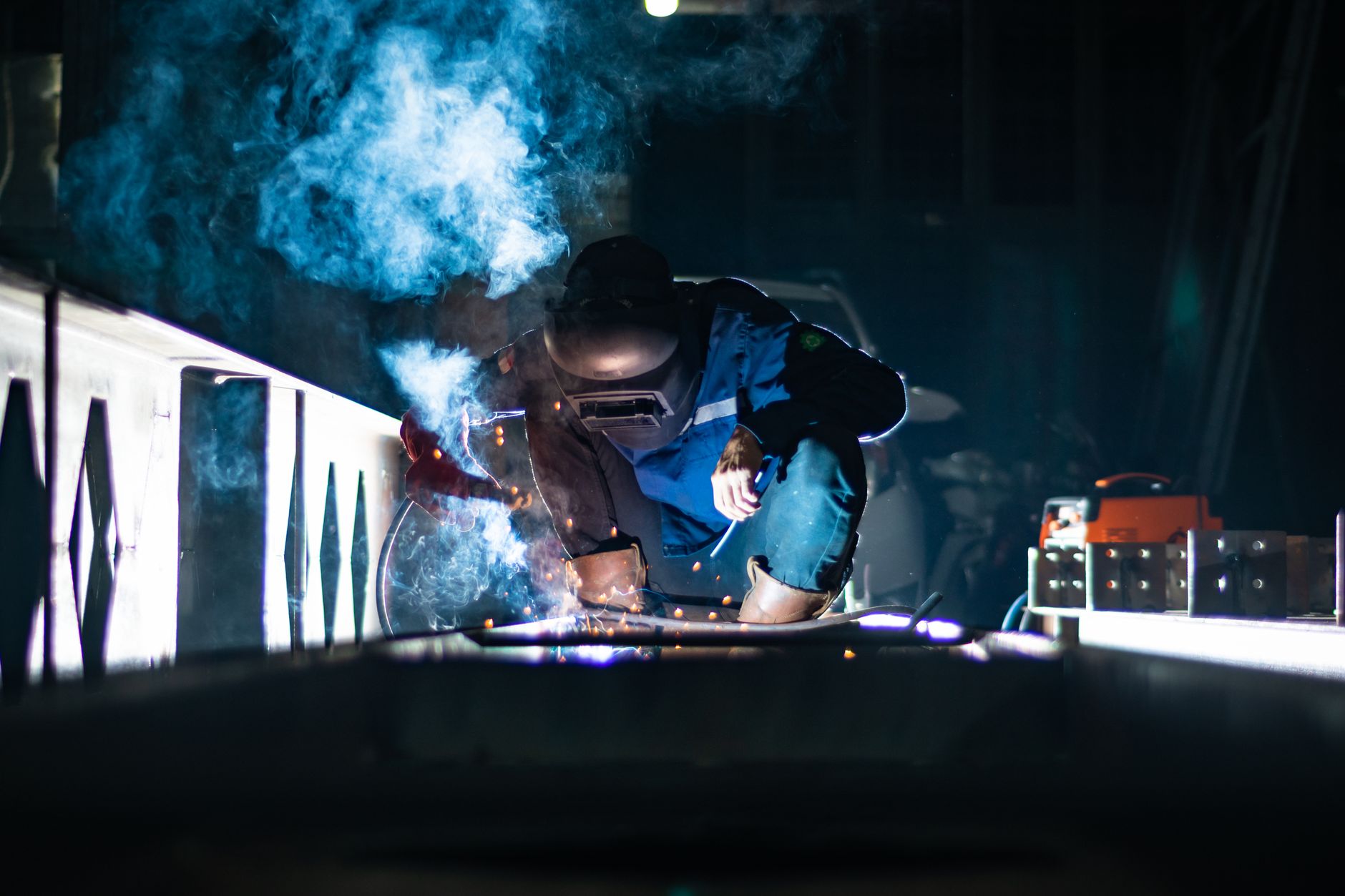
Photo by ERFIN EKARANA on Pexels
Direct Answer to Wall Heater Icing
If your wall heater is icing during winter, it could be due to a malfunctioning defrost cycle, improper installation, or issues with airflow. Before calling a technician, there are several safe checks you can perform to potentially resolve the issue or identify the root cause.
Likely Causes of Icing
The most common reasons for a wall heater to ice during winter include a faulty thermostat, refrigerant leaks, or blockages in the air vents. Understanding these causes can help you take the first steps in troubleshooting.
Safe Checks for Homeowners
First, ensure that your thermostat is set correctly and that the batteries are not dead. Next, check the air vents for any blockages or debris. Finally, inspect the area around the heater for any signs of water damage or leaks.
Danger Signs: When to Call a Technician
If you notice any severe icing, water damage, or signs of electrical issues such as burning smells or sparks, it’s crucial to shut down the system and contact a licensed technician immediately. Never attempt to fix electrical or gas-related issues yourself, as they can pose significant safety risks.
Prevention is Key
To prevent icing issues in the future, regular maintenance is essential. This includes cleaning the air vents, checking the thermostat’s batteries, and ensuring that the area around the heater remains clear of clutter.
Final Takeaway
While some issues with your wall heater can be resolved with simple checks, it’s vital to know when to call for professional help. Always prioritize your safety and the efficiency of your heating system by addressing problems promptly and seeking expert advice when needed.
Frequently Asked Questions
Why is my wall heater icing during winter?
Your wall heater could be icing due to a faulty defrost cycle, improper installation, or issues with airflow.
What are the first steps in troubleshooting an icing wall heater?
Check your thermostat settings, ensure the air vents are clear, and inspect the area around the heater for any signs of damage or leaks.
When should I call a technician for my wall heater?
Call a technician if you notice severe icing, water damage, electrical issues, or if the simple checks do not resolve the problem.
How can I prevent icing issues with my wall heater in the future?
Regular maintenance, including cleaning the air vents and checking the thermostat, can help prevent icing issues and ensure your heating system works efficiently.


Leave a Reply