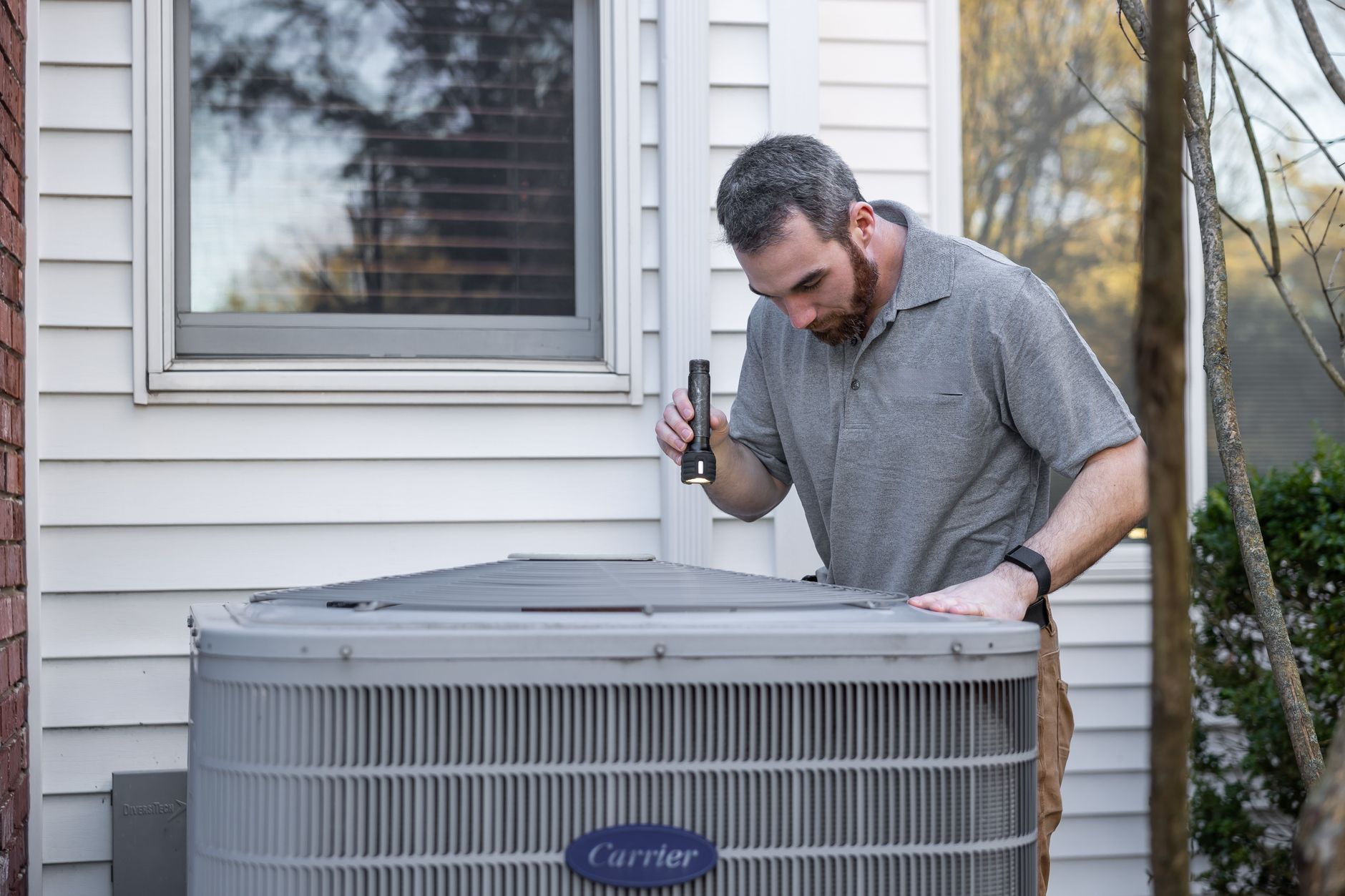
Photo by Kathleen Austin Kuhn on Pexels
Heat Pump Repair Guide: Fixing Iced-Up Refrigerant Lines or Indoor Coils
Introduction to the Problem
If your heat pump’s refrigerant lines or indoor coil are icing up, it can lead to reduced efficiency, increased energy bills, and potentially cause system failure. The most critical safety warning is to never attempt to handle refrigerant or open sealed refrigeration systems, as this can lead to serious injury or environmental damage.
Common Symptoms
Homeowners may notice reduced heating or cooling performance, increased energy bills, or visible ice buildup on the refrigerant lines or indoor coil.
Identifying the Symptoms
Check your system for unusual noises, leaks, or decreased airflow. If you notice any of these symptoms, it’s essential to take action to prevent further damage.
Most Likely Causes
The most common causes of iced-up refrigerant lines or indoor coils include low refrigerant levels, dirty air filters, or restricted airflow.
Understanding the Causes
Low refrigerant levels can be caused by leaks, while dirty air filters can restrict airflow and cause the system to work harder, leading to ice buildup.
Safe Homeowner Checks
Homeowners can safely check the air filters, ensure proper airflow, and inspect the system for visible signs of damage or wear.
Step-by-Step Checks
Replace dirty air filters, ensure that all vents are open and unobstructed, and inspect the system for any signs of damage or wear.
Checks Homeowners Should Not Attempt
Never attempt to handle refrigerant, open sealed refrigeration systems, or work on live high-voltage circuits, as this can lead to serious injury or death.
How an HVAC Technician Diagnoses the Issue
A qualified HVAC technician will perform a series of tests, including refrigerant level checks, airflow measurements, and visual inspections, to diagnose the issue.
Technician’s Diagnosis Process
The technician will use specialized tools and equipment to identify the root cause of the problem and recommend the necessary repairs.
Typical Professional Repair Process
The repair process typically involves repairing or replacing the damaged components, such as refrigerant lines or the indoor coil, and recharging the system with the correct amount of refrigerant.
Repair Process Details
The technician will also perform a series of safety checks to ensure the system is operating safely and efficiently.
Repair versus Replacement Guidance
In some cases, it may be more cost-effective to replace the entire system, especially if the system is old or has undergone multiple repairs.
Replacement Considerations
Consider factors such as the system’s age, efficiency, and overall condition when deciding between repair and replacement.
Prevention and Maintenance Checklist
Regular maintenance, including air filter replacements and system inspections, can help prevent iced-up refrigerant lines or indoor coils.
Maintenance Schedule
Create a schedule to ensure regular maintenance and inspections are performed to prevent system issues.
Urgency and Emergency Warning Signs
If you notice any signs of severe damage, such as a gas smell or carbon monoxide alarm, turn off the system and contact emergency services or a qualified technician immediately.
Emergency Procedures
Never ignore emergency warning signs, as they can indicate a serious safety hazard.
Frequently Asked Questions
- What are the common causes of iced-up refrigerant lines or indoor coils?
- How can I prevent iced-up refrigerant lines or indoor coils?
- What are the safety risks associated with handling refrigerant?
- How often should I replace my air filters?
- What are the signs of a malfunctioning heat pump system?
- When should I contact a qualified HVAC technician?


Leave a Reply