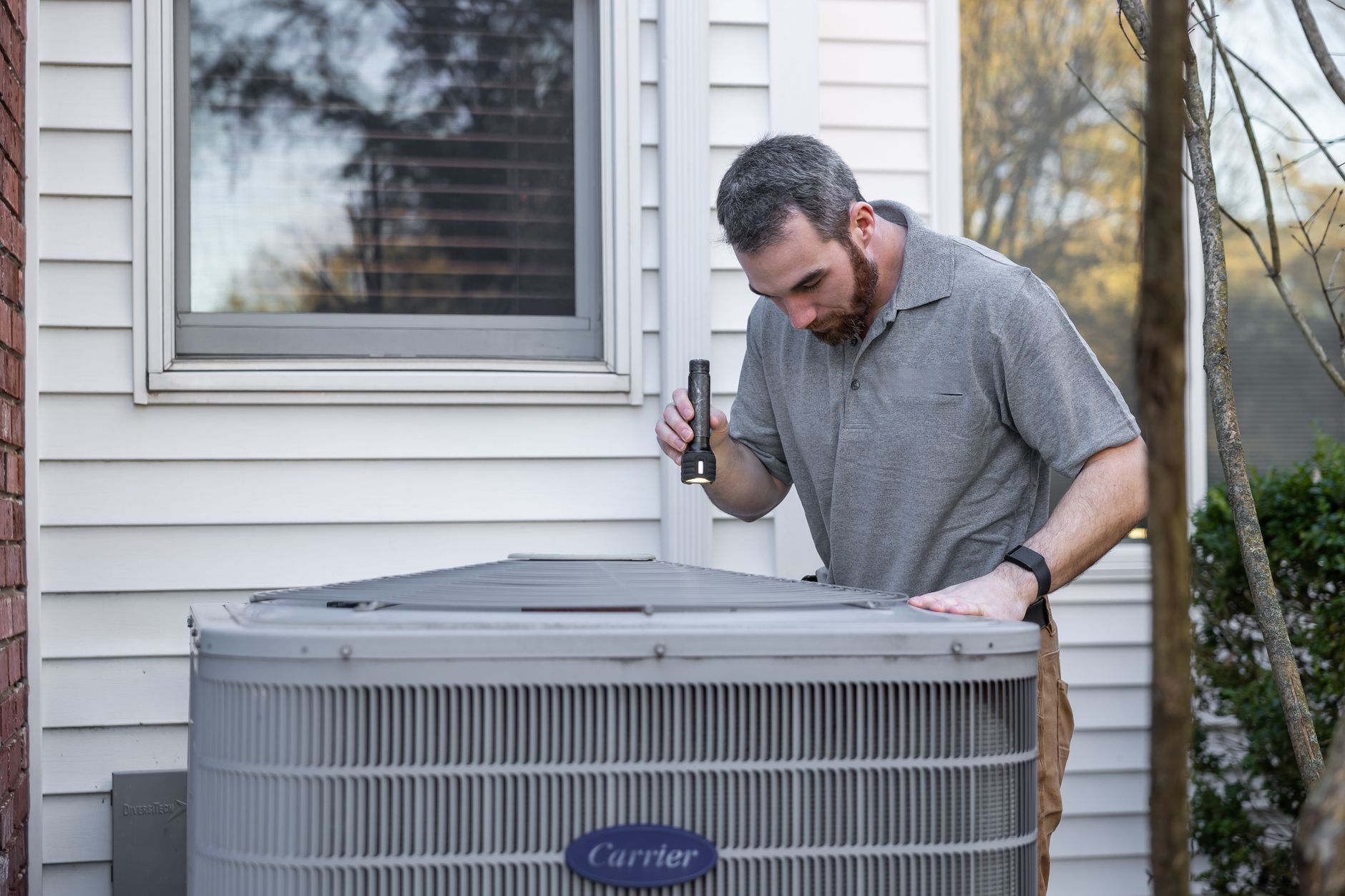
Photo by Kathleen Austin Kuhn on Pexels
Introduction to Heat Pump Repair in St. Louis
As a homeowner in St. Louis, MO, you understand the importance of a functioning heat pump system. However, when your heat pump breaks down, it can be stressful and uncomfortable. Before calling a professional HVAC technician, it’s essential to troubleshoot the issue to determine the best course of action.
Understanding Heat Pump Systems
A heat pump is a device that transfers heat from one location to another, providing both heating and cooling to your home. It’s an efficient and cost-effective way to regulate your home’s temperature.
Troubleshooting Your Heat Pump
Before calling a professional, follow this checklist to identify potential issues with your heat pump:
- Check the thermostat: Ensure it’s set to the correct temperature and mode.
- Inspect the air filters: Dirty filters can reduce airflow and efficiency.
- Verify the power supply: Ensure the heat pump is receiving power.
- Check for leaks: Look for signs of refrigerant leaks or water damage.
Common Heat Pump Problems
Some common issues with heat pumps include:
- Low refrigerant levels
- Faulty thermostats
- Clogged air filters
- Ice buildup on the outdoor unit
When to Call a Professional
If you’ve completed the troubleshooting checklist and still can’t resolve the issue, it’s time to call a professional HVAC technician. They will diagnose the problem and provide the necessary repairs to get your heat pump system up and running.
Cost and Urgency Guidance
The cost of heat pump repair can vary depending on the issue and the technician’s rates. It’s essential to prioritize repairs to avoid further damage and increased costs. If you’re experiencing any of the following, consider the issue urgent:
- No heat or cooling
- Leaking refrigerant
- Strange noises or smells
Frequently Asked Questions
- What is the average cost of heat pump repair?
- How often should I maintain my heat pump system?
- Can I repair my heat pump myself?
- What are the benefits of regular heat pump maintenance?
- How do I choose the right HVAC technician for the job?
- What are the signs of a malfunctioning heat pump?


Leave a Reply