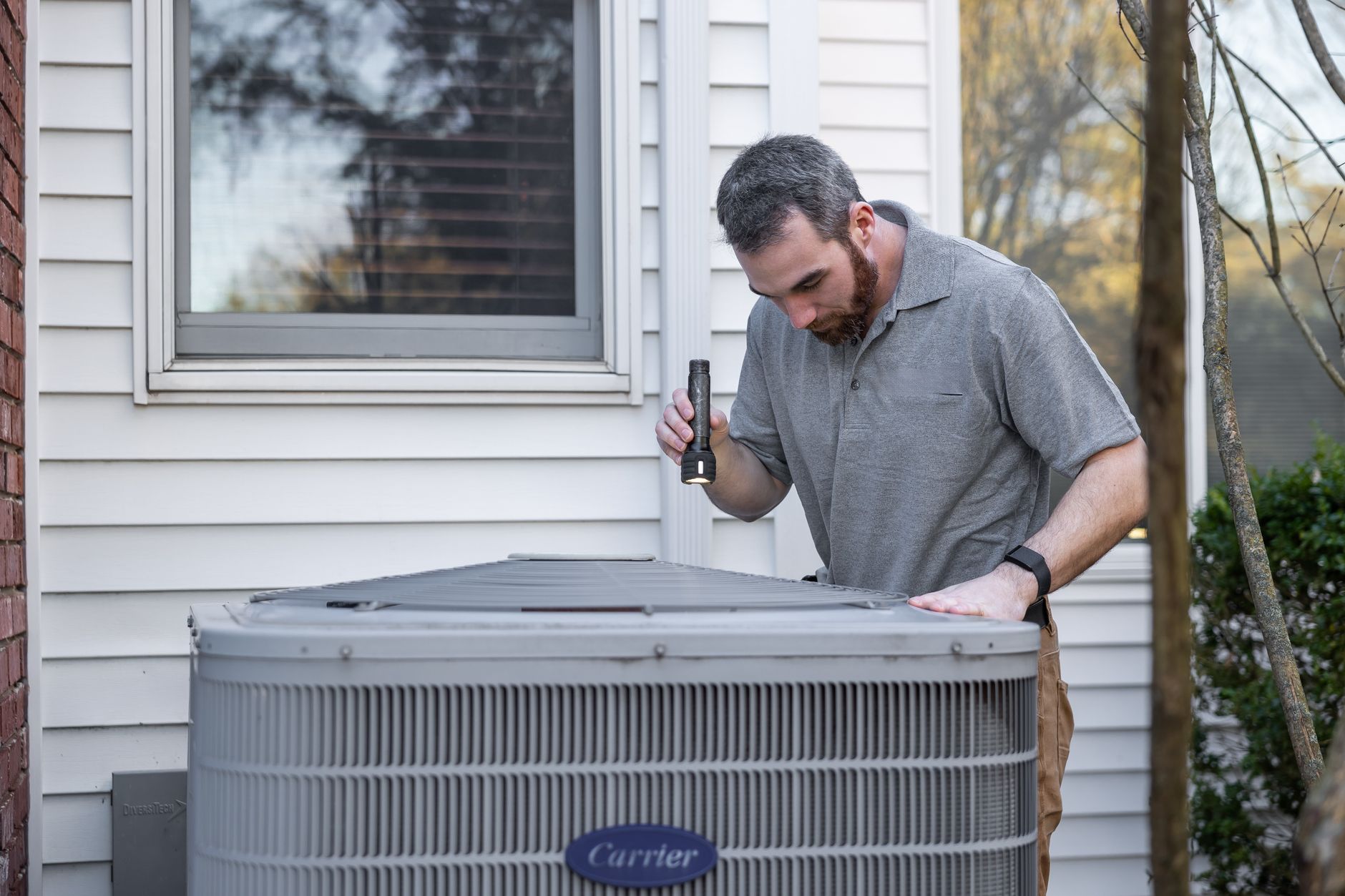
Photo by Kathleen Austin Kuhn on Pexels
High Electric Bill Caused by HVAC: Troubleshooting and Repair Guide
Introduction to High Electric Bills and HVAC Safety
If you’ve noticed a significant increase in your electric bill and suspect your HVAC system is the culprit, it’s essential to address the issue promptly. However, safety should always be your top priority. Never attempt to handle refrigerant, open sealed refrigeration systems, or work on live high-voltage circuits. For any signs of a gas smell, smoke, burning odor, carbon monoxide alarm, sparking, repeated breaker trips, or severe overheating, stop the system, leave the area if necessary, and contact emergency services, the gas utility, or a qualified technician.
Common Symptoms of High Electric Bills Caused by HVAC
High electric bills can stem from various HVAC issues. Common symptoms include increased energy consumption, reduced system performance, and unusual noises or smells. Identifying these symptoms early can help prevent further damage and unnecessary expenses.
Most Likely Causes
The most common causes of high electric bills related to HVAC systems include faulty thermostats, clogged air filters, malfunctioning compressors, and improper system sizing. Each of these issues can significantly impact your system’s efficiency and, consequently, your electric bill.
Safe Homeowner Checks
Before calling a technician, there are several safe checks you can perform. Ensure your air filters are clean and replace them if necessary. Check your thermostat settings to make sure they are appropriate for the season. Also, inspect your vents for any blockages or damage.
Checks Homeowners Should Not Attempt
Certain checks and repairs are best left to professional technicians. These include handling refrigerant, diagnosing complex electrical issues, and repairing or replacing internal system components. Always prioritize your safety and the integrity of your HVAC system.
How an HVAC Technician Diagnoses the Issue
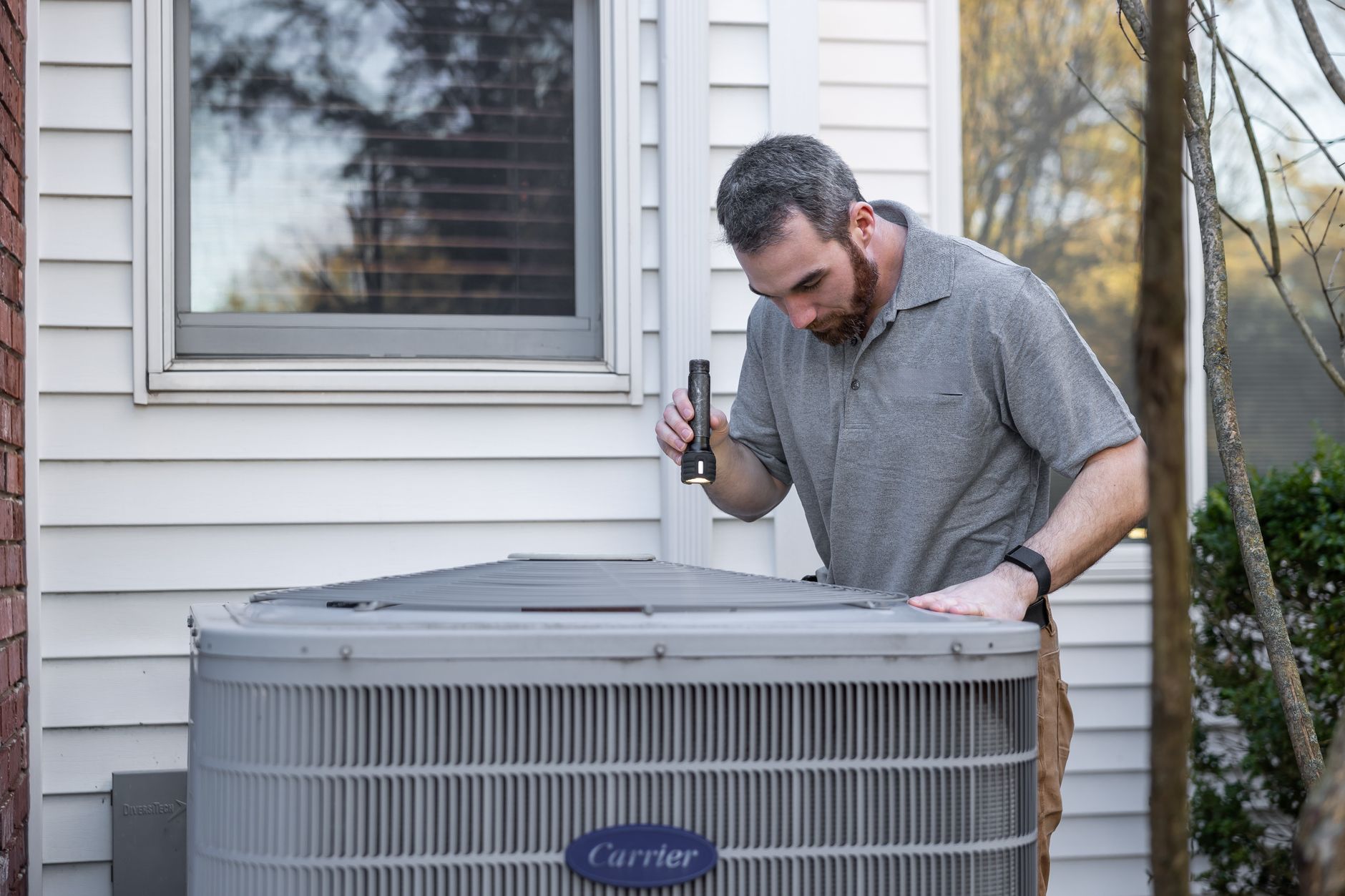
A qualified HVAC technician will typically start by reviewing your system’s history and performing a visual inspection. They may then proceed with more in-depth tests, such as checking refrigerant levels, inspecting electrical connections, and analyzing airflow. The goal is to identify the root cause of the high electric bill and develop an appropriate repair plan.
Typical Professional Repair Process
The repair process can vary widely depending on the issue identified. It may involve cleaning or replacing components, adjusting system settings, or in some cases, replacing the entire system. A technician will explain the necessary repairs, the associated costs, and the expected outcomes.
Repair versus Replacement Guidance
Deciding whether to repair or replace your HVAC system depends on several factors, including the system’s age, the cost of the repair, and the system’s overall condition. A technician can provide guidance based on these factors and help you make an informed decision.
Prevention and Maintenance Checklist
Regular maintenance is key to preventing high electric bills and extending the life of your HVAC system. This includes scheduling annual inspections, changing air filters regularly, and ensuring proper system installation. A well-maintained system operates more efficiently and is less likely to experience severe issues.
Urgency and Emergency Warning Signs
Certain situations require immediate attention. If you notice any signs of a gas leak, electrical issues, or severe system malfunction, do not hesitate to contact a technician or emergency services. Prompt action can prevent accidents and minimize damage.
Frequently Asked Questions
- Q: How often should I change my air filters?
A: It’s recommended to change your air filters every 1-3 months, depending on usage and manufacturer recommendations. - Q: Can I repair my HVAC system myself?
A: While some minor checks are safe for homeowners, complex repairs should be left to professional technicians to ensure safety and system integrity. - Q: What are the most common causes of high electric bills related to HVAC?
A: Faulty thermostats, clogged air filters, malfunctioning compressors, and improper system sizing are among the most common causes. - Q: How can I prevent high electric bills caused by my HVAC system?
A: Regular maintenance, including changing air filters and scheduling annual inspections, can significantly reduce the risk of high electric bills. - Q: When should I consider replacing my HVAC system?
A: Consider replacement if your system is old, the repair cost is high, or the system’s efficiency is significantly compromised. - Q: Are there any safety precautions I should take when troubleshooting my HVAC system?
A: Yes, never handle refrigerant, work on live electrical components, or bypass safety controls. If in doubt, always consult a professional technician.


Leave a Reply