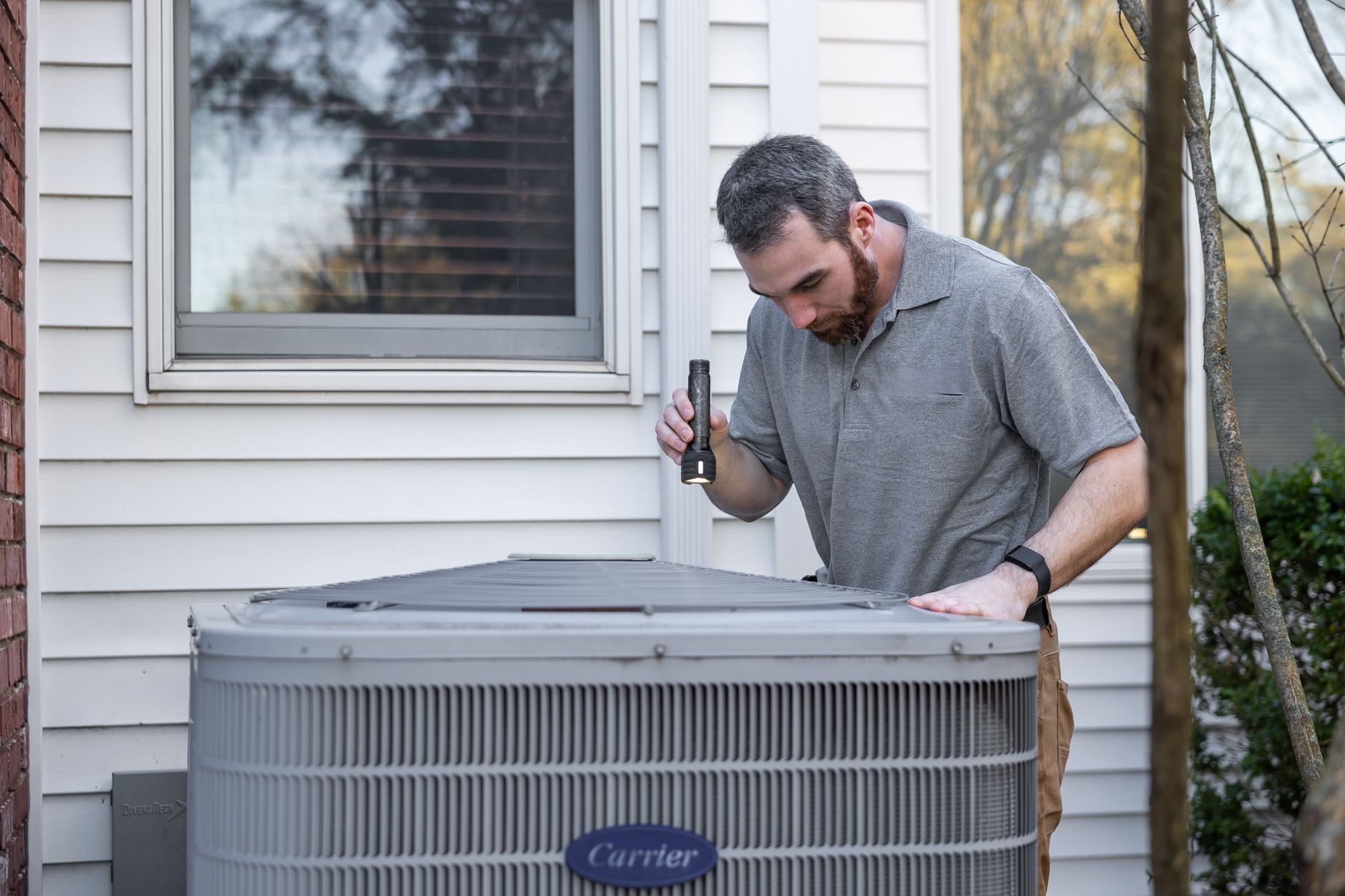
Photo by Kathleen Austin Kuhn on Pexels
AC Evaporator Coil Frozen: A Step-by-Step Guide to Diagnosis and Repair
Introduction to Frozen AC Evaporator Coils
A frozen AC evaporator coil can be a major problem for homeowners, causing reduced airflow, increased energy bills, and potentially leading to more severe issues like compressor damage. The most important safety warning is to never attempt to handle refrigerant or open sealed refrigeration systems, as this can be dangerous and even illegal.
Common Symptoms of a Frozen AC Evaporator Coil
Homeowners may notice reduced cooling performance, increased energy bills, or strange noises coming from the AC unit. In severe cases, the AC may stop working altogether.
Identifying the Symptoms
- Reduced airflow from vents
- Increased energy bills
- Water leaking from the AC unit
- Strange noises, such as hissing or banging
Most Likely Causes of a Frozen AC Evaporator Coil
A frozen AC evaporator coil can be caused by a variety of factors, including low refrigerant levels, dirty air filters, or a malfunctioning thermostat. Other potential causes include a blocked drain line, a faulty fan motor, or a refrigerant leak.
Safe Homeowner Checks
Before calling a professional, homeowners can perform some safe checks to identify potential issues. These include checking the air filter, ensuring proper airflow, and inspecting the drain line for blockages.
Step-by-Step Checks
- Check the air filter and replace it if necessary
- Ensure proper airflow by checking for blockages in vents and ducts
- Inspect the drain line for blockages or kinks
Checks Homeowners Should Not Attempt
Certain checks and repairs should only be performed by a qualified HVAC technician, including handling refrigerant, opening sealed refrigeration systems, or working on live high-voltage circuits.
How an HVAC Technician Diagnoses the Issue
A qualified HVAC technician will typically start by inspecting the AC unit and its components, including the evaporator coil, refrigerant levels, and thermostat. They may also use specialized tools, such as a refrigerant leak detector or a multimeter, to diagnose the issue.
Typical Professional Repair Process
The repair process will depend on the cause of the issue, but may involve cleaning or replacing the evaporator coil, replenishing refrigerant levels, or repairing or replacing other components, such as the fan motor or thermostat.
Repair vs. Replacement Guidance
In some cases, it may be more cost-effective to replace the AC unit rather than repair it, especially if the unit is old or has other underlying issues.
Prevention and Maintenance Checklist
To prevent future issues, homeowners can perform regular maintenance tasks, such as checking and replacing the air filter, ensuring proper airflow, and scheduling annual tune-ups with a qualified HVAC technician.
Maintenance Schedule
- Check and replace the air filter every 1-3 months
- Ensure proper airflow by checking for blockages in vents and ducts every 6 months
- Schedule annual tune-ups with a qualified HVAC technician
Urgency and Emergency Warning Signs
If homeowners notice any of the following warning signs, they should contact a qualified HVAC technician immediately: a gas smell, smoke, burning odor, carbon monoxide alarm, sparking, repeated breaker trips, or severe overheating.
Frequently Asked Questions
- Q: What causes a frozen AC evaporator coil?
- A: A frozen AC evaporator coil can be caused by a variety of factors, including low refrigerant levels, dirty air filters, or a malfunctioning thermostat.
- Q: How can I prevent a frozen AC evaporator coil?
- A: Homeowners can prevent a frozen AC evaporator coil by performing regular maintenance tasks, such as checking and replacing the air filter, ensuring proper airflow, and scheduling annual tune-ups with a qualified HVAC technician.
- Q: What are the consequences of not addressing a frozen AC evaporator coil?
- A: If left unaddressed, a frozen AC evaporator coil can lead to reduced cooling performance, increased energy bills, and potentially more severe issues like compressor damage.
- Q: Can I repair a frozen AC evaporator coil myself?
- A: While homeowners can perform some safe checks, certain repairs should only be performed by a qualified HVAC technician.
- Q: How much does it cost to repair a frozen AC evaporator coil?
- A: The cost of repairing a frozen AC evaporator coil will depend on the cause of the issue, the type of repair needed, and the location of the homeowner.
- Q: How can I find a qualified HVAC technician?
- A: Homeowners can find a qualified HVAC technician by asking for referrals, checking online reviews, or contacting a local HVAC company.


Leave a Reply