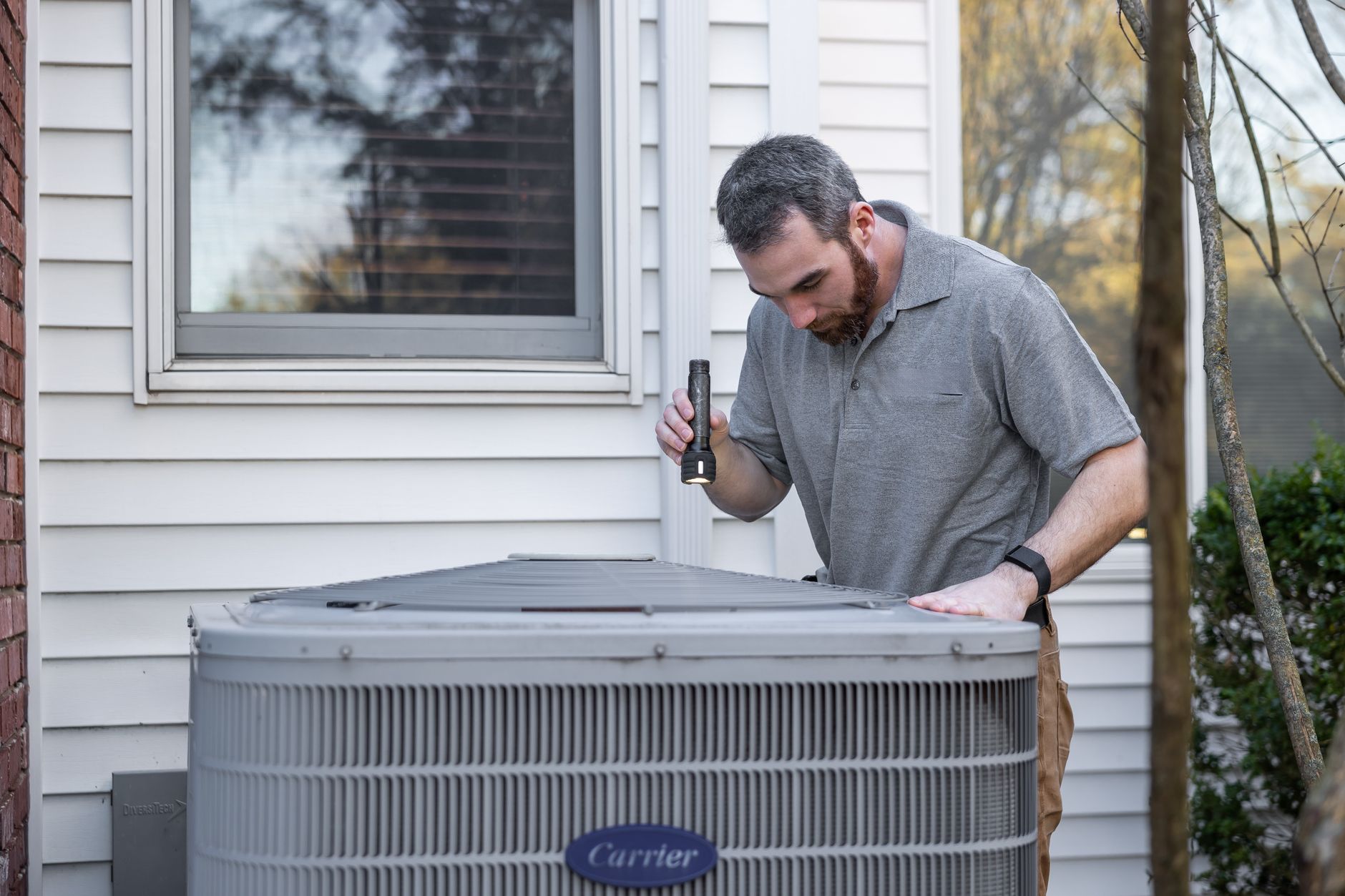
Photo by Kathleen Austin Kuhn on Pexels
Weak Airflow from Vents: Troubleshooting and Repair Guide
Introduction to Weak Airflow
Weak airflow from vents is a common issue that can be caused by various factors, including dirty air filters, clogged ducts, and malfunctioning air handlers.
Common Symptoms
Homeowners may notice reduced airflow, increased energy bills, and uneven heating or cooling throughout their home.
Identifying the Symptoms
Check for signs of weak airflow, such as dust accumulation, musty odors, and poor indoor air quality.
Most Likely Causes
The most common causes of weak airflow include dirty or clogged air filters, obstructed ducts, and faulty air handlers.
Safe Homeowner Checks
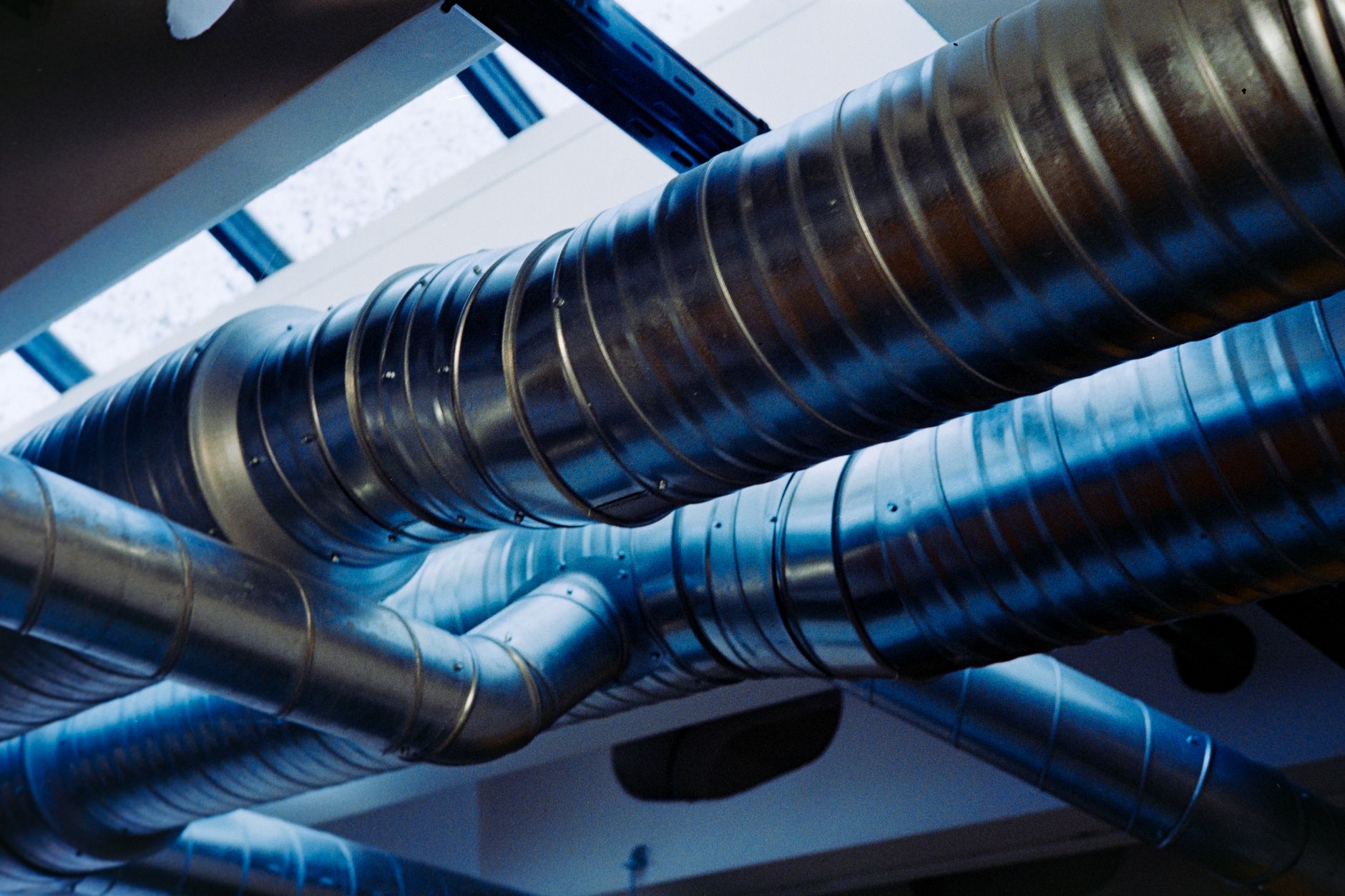
Homeowners can safely check and replace air filters, inspect ducts for blockages, and ensure proper thermostat settings.
Checks to Avoid
Avoid attempting to repair or replace internal components, such as motors, fans, or electrical parts, as this can be hazardous and requires professional expertise.
How an HVAC Technician Diagnoses the Issue
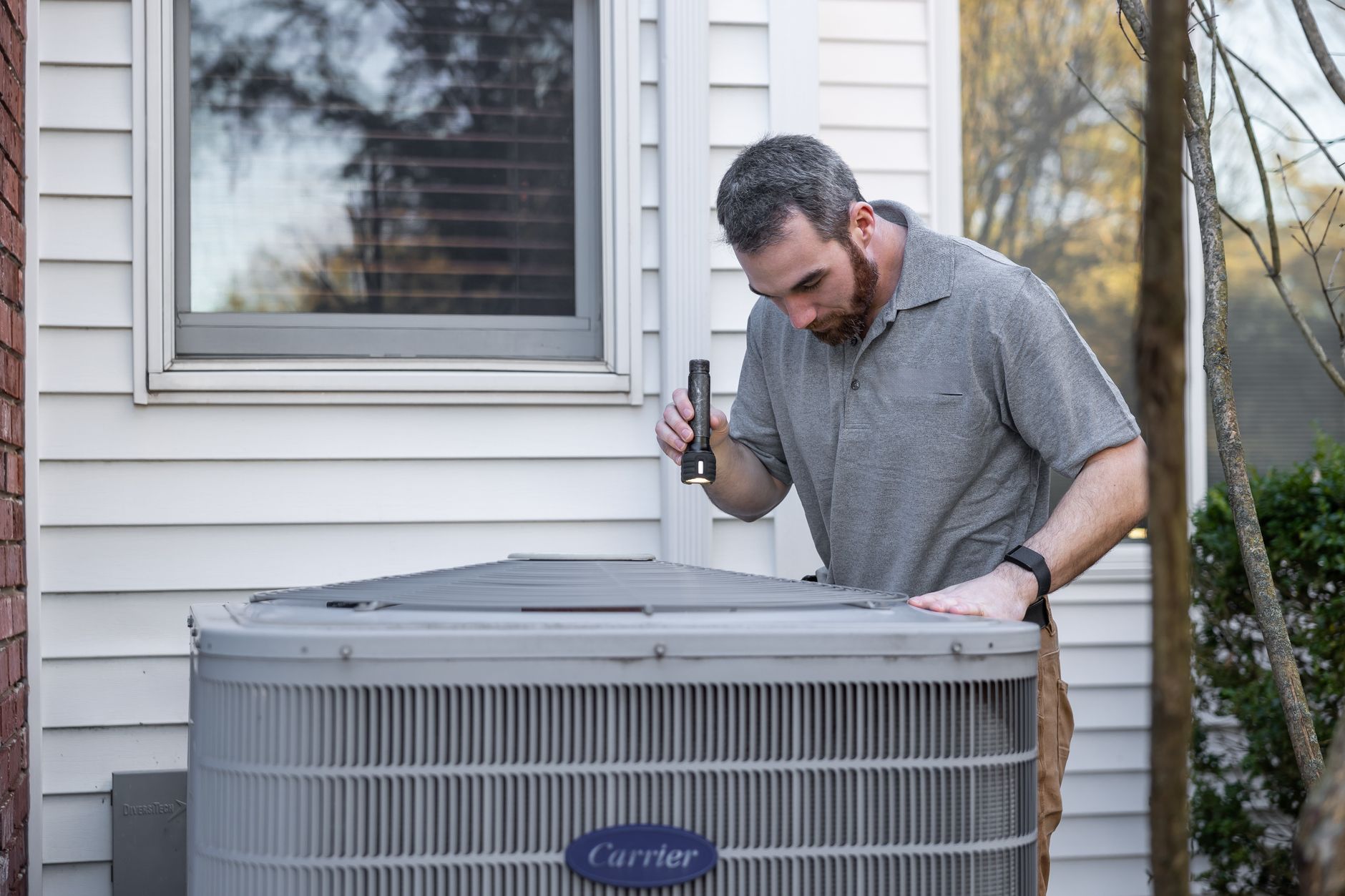
A qualified HVAC technician will inspect the air handler, ducts, and vents to identify the root cause of the weak airflow.
Typical Professional Repair Process
The technician will clean or replace air filters, clear blockages in ducts, and repair or replace faulty air handlers as needed.
Repair versus Replacement Guidance
The decision to repair or replace the air handler depends on the age, condition, and cost of the system, as well as local labor and material costs.
Prevention and Maintenance Checklist
Regularly check and replace air filters, inspect ducts, and schedule annual HVAC maintenance to prevent weak airflow and ensure optimal system performance.
Urgency and Emergency Warning Signs
If you notice severe overheating, burning odors, or gas smells, stop the system, leave the area, and contact emergency services or a qualified technician immediately.
Frequently Asked Questions
- What are the most common causes of weak airflow from vents?
- Can I repair my air handler myself?
- How often should I replace my air filters?
- What are the benefits of regular HVAC maintenance?
- How can I prevent weak airflow from vents?
- When should I contact an HVAC technician for assistance?


Leave a Reply